Europe Spent More On Russian Fuel Than Ukraine Aid: US Envoy Kushner
Source Entity
NDTV News Search Records Found 1000
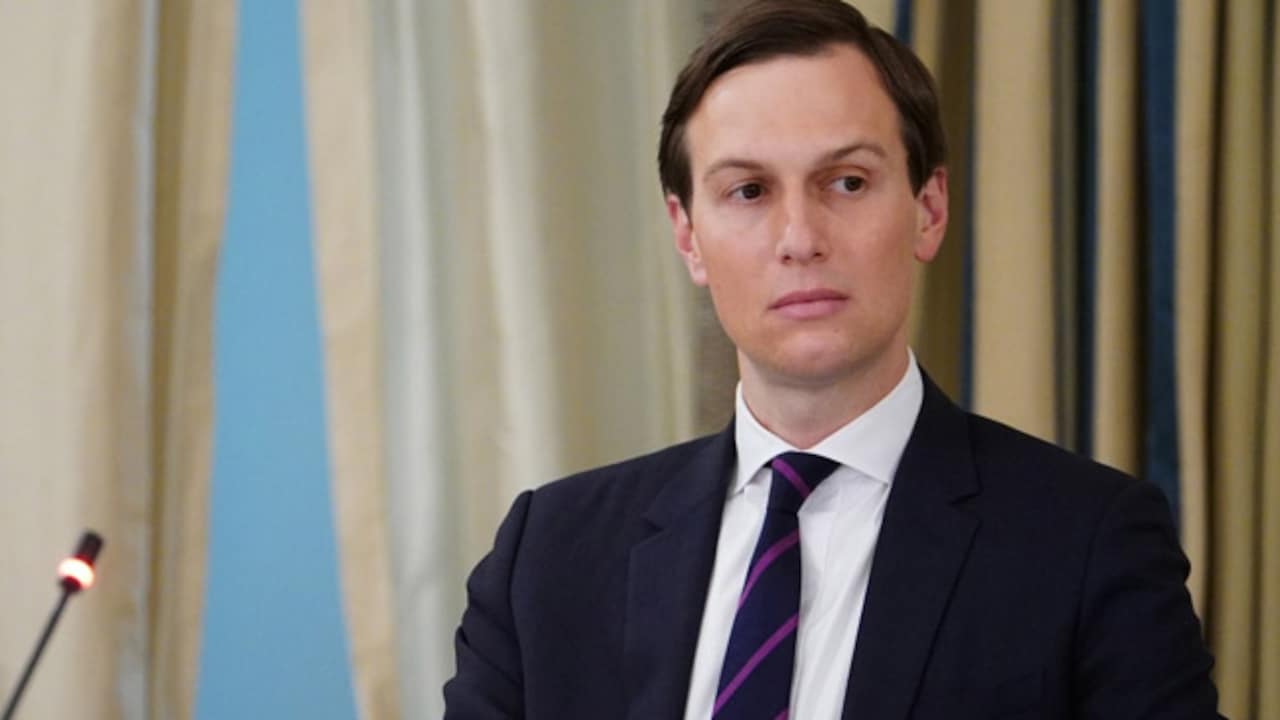
Jared Kushner has criticized European nations for spending over $250 billion on Russian fossil fuels since the start of the conflict. This figure reportedly exceeds the total financial aid provided by Europe to Ukraine, highlighting a significant tension in Western energy policy.
The Disparity in European Energy Spending and Ukraine Aid
Recent statements by Jared Kushner have brought a contentious financial reality to the forefront of geopolitical discourse: European nations have reportedly spent over $250 billion on Russian fossil fuels since the onset of the war in Ukraine. This figure, while stark, serves as a focal point for critics who argue that the economic entanglement between the European Union and the Kremlin has fundamentally undermined the efficacy of Western sanctions and diplomatic efforts aimed at isolating Russia.
The Economic Paradox of Sanctions
The core of the issue lies in the historical reliance of the European industrial engine on relatively inexpensive Russian natural gas and oil. Despite the implementation of multiple sanction packages designed to cripple the Russian war machine, the continued purchase of energy resources has functioned as a financial lifeline for Moscow. By spending $250 billion on these imports, European states have inadvertently financed the very conflict they are attempting to mitigate through humanitarian and military aid packages to Kyiv.
Comparing Energy Expenditures to Humanitarian Aid
When juxtaposed against the total financial aid provided by Europe to Ukraine, the $250 billion energy figure exposes a deep-seated structural irony. While European governments have been at the forefront of providing billions in grants, loans, and military equipment to support Ukrainian sovereignty, the outflow of capital to Russia for energy commodities remains significantly higher. This creates a perception of 'funding both sides' of the conflict, complicating the narrative of total European solidarity against Russian aggression.
Geopolitical Implications of Energy Dependency
This dependency is not merely a matter of current policy but the result of decades of energy infrastructure development, such as the now-defunct Nord Stream pipelines. The transition away from Russian hydrocarbons has proven to be a painful, expensive, and logistically complex endeavor. The challenge for Europe has been balancing the immediate need for energy security—to prevent domestic economic collapse and social unrest—with the moral and strategic imperative of stripping Russia of its primary source of state revenue.
Future Trends and Strategic Autonomy
The future trajectory of European energy policy will likely be defined by an accelerated pivot toward renewable energy sources and liquefied natural gas (LNG) from alternative global suppliers. However, the path to true 'strategic autonomy' remains fraught with volatility. As Europe continues to decouple its economy from Russian influence, the focus will increasingly shift toward infrastructure resilience and the long-term stabilization of global energy prices to ensure that geopolitical goals do not come at the cost of domestic economic stability.
Conclusion
Jared Kushner’s assertion serves as a sobering reminder of the complexities inherent in modern international relations. The $250 billion figure is more than a statistic; it is a reflection of the difficult trade-offs facing European leaders. Moving forward, the success of the Western response to the conflict in Ukraine will likely be measured not just by the aid sent to the front lines, but by the effectiveness with which Europe can permanently sever its financial reliance on the Russian energy sector.
Verification Required?