Europe’s winter energy crunch may already be underway. Two U.S. stocks that may benefit
Source Entity
US Top News and Analysis
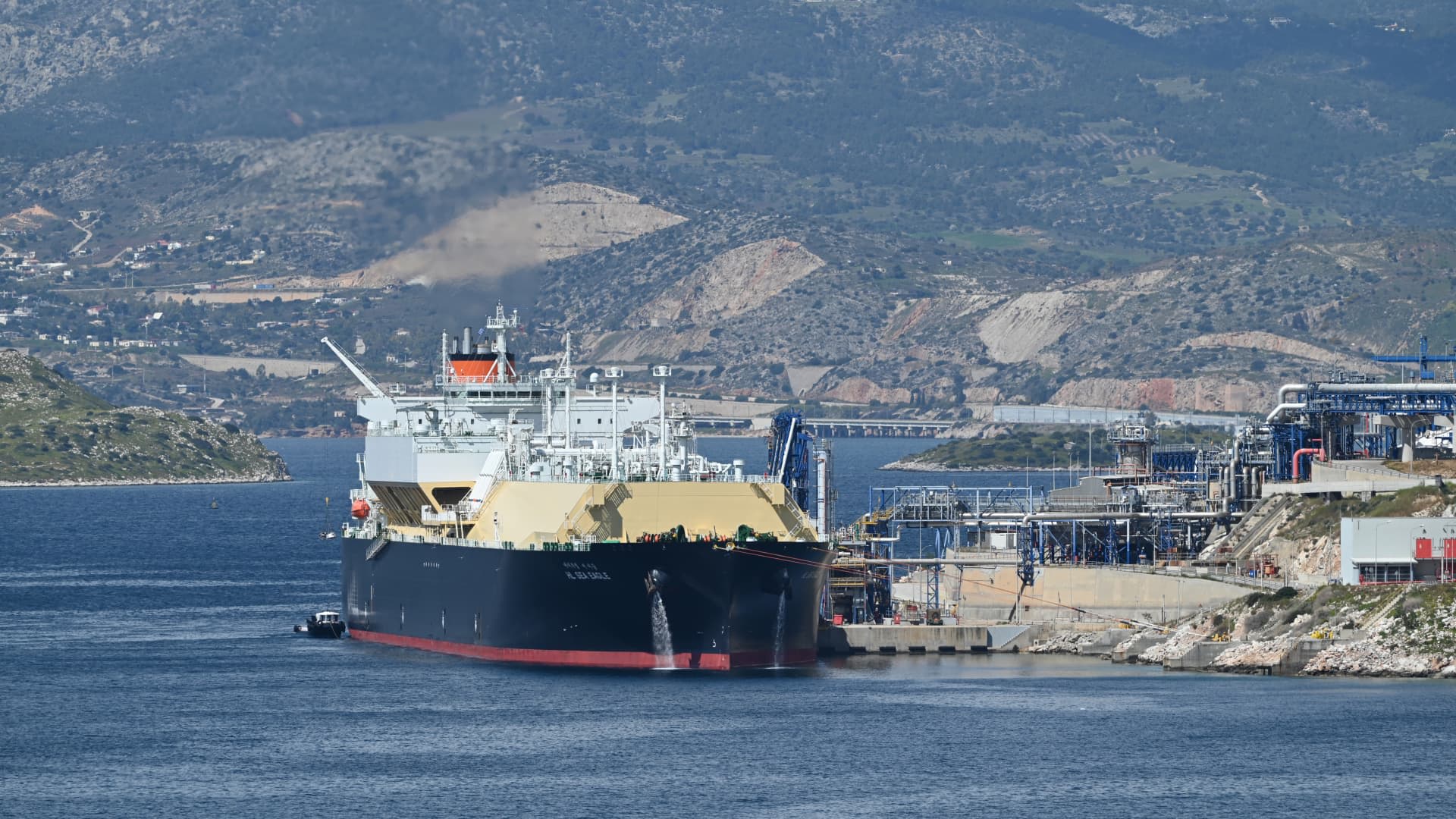
Energy markets are stabilizing as oil flows through the Strait of Hormuz recover to 2025 averages. While geopolitical threats persist, experts anticipate Brent crude prices will moderate to $85 per barrel by year-end.
The Stabilization of Global Oil Transit
Recent reports indicate a notable stabilization in global energy logistics, specifically concerning the Strait of Hormuz. Despite persistent geopolitical tensions, data from Goldman Sachs confirms that Persian Gulf oil exports have successfully rebounded, returning to their 2025 average levels. This recovery follows a significant surge in shipping activity observed in September, suggesting that despite ongoing threats, the flow of crude oil remains resilient against regional instability.
Deconstructing the 'Closure' Narrative
There is a common misconception in media discourse regarding the 'closure' of the Strait of Hormuz. As an international waterway, the Strait cannot be legally or physically 'closed' by a single nation. While actors such as Iran or the Houthis in Yemen possess the capability to threaten maritime security and increase insurance premiums or logistical risks, the physical transit of vessels continues. Recognizing the distinction between localized threats and a total blockage is critical for understanding the current energy landscape.
Market Projections and Brent Crude
Financial analysts are currently projecting a period of moderation for oil prices. With exports normalizing, Goldman Sachs anticipates that Brent crude prices will likely settle around $85 per barrel by the end of the year. This moderation is a significant economic indicator, potentially alleviating inflationary pressures for major global consumers, including the United States and China, who rely heavily on stable energy inputs to fuel their respective industrial sectors.
Corporate Strategy Amidst Energy Uncertainty
In the context of a potential winter energy crunch, corporate giants like BP are positioning themselves for long-term viability. BP’s recent announcement of its largest oil discovery in 25 years serves as a strategic hedge against supply volatility. Such capital-intensive exploration projects underscore a commitment to maintaining production levels even as the global market navigates the complexities of the energy transition and geopolitical friction.
Future Outlook and Economic Implications
Looking ahead, the energy market remains sensitive to the interplay between supply-side logistics and international security. While current trends point toward a cooling of price volatility, the vulnerability of key maritime corridors remains a constant variable. Investors and policymakers should continue to monitor the balance between rising export volumes and the security posture of the Persian Gulf to anticipate future shifts in global energy costs.