Here’s how much more groceries, clothing and household appliances could cost as diesel prices keep surging
Source Entity
Myra P. Saefong
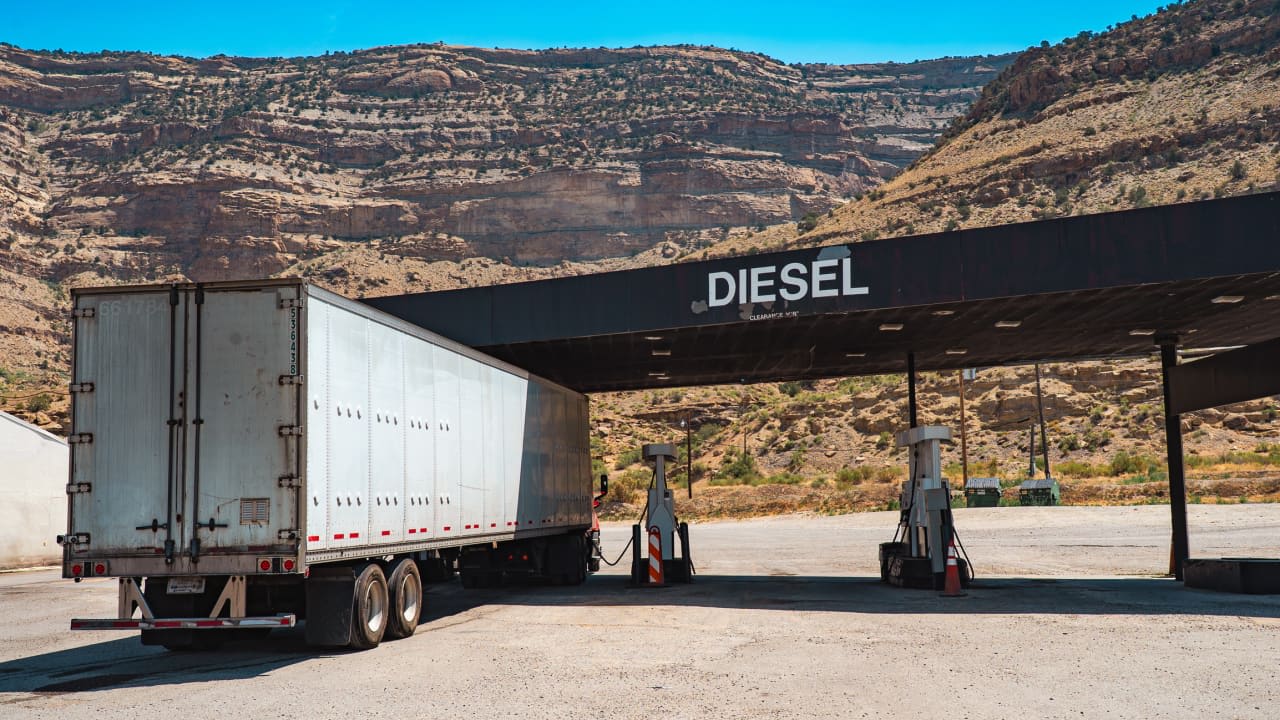
Surging diesel prices are creating significant inflationary pressure on essential consumer goods. This analysis explores how increased transportation costs cascade through the supply chain to impact household budgets.
The Ripple Effect: How Diesel Costs Reshape Household Budgets
The Logistics of Inflation
The recent surge in diesel prices acts as a foundational stressor for the global and domestic supply chain. Because diesel is the primary fuel source for heavy-duty trucking, rail freight, and maritime shipping, its price volatility is rarely contained to the pump. When fuel premiums rise, logistics companies are forced to pass these operational expenses downstream to retailers, who in turn adjust the shelf prices of groceries, clothing, and household appliances to maintain margins.
Impact on Essential Commodities
Groceries represent the most immediate point of impact for the average consumer. Perishable goods require refrigerated transport—often called 'cold chain logistics'—which is highly energy-intensive and reliant on diesel-powered cooling units. As diesel prices climb, the cost of moving produce, meat, and dairy from farms to regional distribution centers and finally to local supermarkets increases significantly, directly contributing to higher food inflation rates.
Retail and Manufacturing Pressures
Beyond perishables, the retail sector for clothing and household appliances faces a compounded burden. These goods are often manufactured in centralized hubs and transported over long distances. The 'diesel premium' adds a surcharge to every leg of the journey, from the raw material transport to the factory, to the distribution center, and finally to the storefront. Manufacturers often absorb these costs initially, but sustained high diesel prices eventually necessitate price hikes for end-users.
Historical Context of Fuel Volatility
Historically, energy-linked inflation has served as a primary driver of economic cooling. When households are forced to allocate a larger portion of their disposable income toward basic necessities like food and essential appliances, discretionary spending contracts. This shift in consumer behavior can lead to a broader economic slowdown, as retail sales figures often correlate negatively with prolonged periods of high transportation energy costs.
Future Trends and Mitigation
Looking ahead, businesses are likely to accelerate the adoption of supply chain optimization technologies to hedge against fuel volatility. Predictive analytics and route optimization software are becoming essential tools for fleet managers trying to minimize fuel consumption. Furthermore, the push for electrification in short-haul delivery fleets may eventually offer a buffer against diesel price spikes, though long-haul trucking remains tethered to traditional fuels for the foreseeable future.
Concluding Summary
The current diesel price surge serves as a stark reminder of the interconnectedness of global logistics and personal finance. As these costs permeate the supply chain, the inflationary impact on household items remains a critical concern for both economists and consumers. Monitoring these trends is essential for understanding the broader trajectory of the cost of living in the current economic environment.
Verification Required?