Thousands of European troops to rehearse Ukraine deployment in event of peace
Source Entity
BBC News
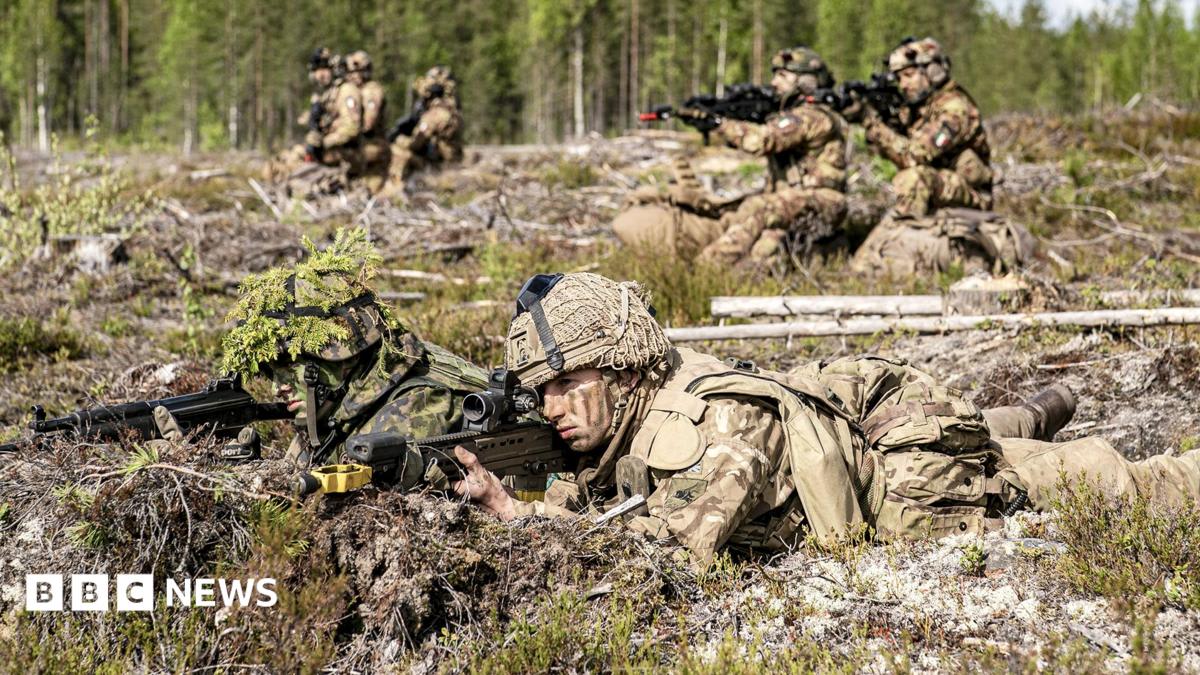
European nations are preparing to conduct military rehearsals in Poland to test the logistics of deploying a non-offensive security force to Ukraine. This initiative aims to establish long-term security guarantees, though the mission's scope remains strictly limited to non-combat roles.
Preparing for Peace: The European Multinational Force Rehearsal
In a significant strategic move, Britain and France are spearheading a major military exercise in Poland involving nearly 3,000 personnel from 12 European nations. This rehearsal is designed to test the logistical and operational capabilities of a multinational force intended for deployment into Ukraine, should a future peace agreement be reached between the warring parties. By conducting these drills now, European powers are demonstrating a proactive commitment to the long-term stability of the region, ensuring that if a diplomatic window opens, the logistical infrastructure required to support it is already battle-tested.
Defining the Scope of Engagement
Western officials have been explicit regarding the limitations of this proposed force. The deployment is strictly intended to serve as a 'reassurance force' rather than a combat entity. To avoid direct escalation with external actors, officials have clarified that any troops deployed would not engage in offensive operations, nor would they be tasked with traditional peacekeeping or the monitoring of ceasefire lines. This represents a nuanced approach to security guarantees—focusing on presence and stability rather than active intervention in the conflict's kinetic phases.
Strategic Autonomy and Command Structures
An essential element of this plan is the decision to operate outside of the NATO command structure. By maintaining a distinct operational identity, European nations are attempting to balance their commitment to Ukrainian sovereignty with the necessity of keeping the Atlantic Alliance at arm's length from direct regional involvement. This distinction is crucial for managing the geopolitical sensitivities inherent in the ongoing conflict, as it prevents the deployment from being framed as a direct NATO-led intervention.
Historical Context and Security Guarantees
The origins of this initiative trace back to security guarantee proposals drafted last year. European leaders recognized early on that providing Ukraine with a credible path toward lasting peace would require more than just diplomatic signatures; it would necessitate a physical, visible commitment from European partners. This exercise represents the transition from abstract policy discussions to concrete, actionable military planning, acknowledging that the security architecture of post-war Europe will require a robust, multinational foundation.
Challenges in Operational Reality
Despite the clear objectives of this exercise, significant questions remain regarding the practical implementation of such a force. The logistics of coordinating 12 nations, each with its own internal political considerations and military doctrine, present a formidable challenge. The current rehearsals in Poland serve as a litmus test for interoperability, communication, and rapid deployment capabilities. These drills are essential for identifying friction points in command-and-control protocols before any real-world deployment is required.
Future Trends and Regional Stability
Looking ahead, the success of this rehearsal will likely dictate the future of European defense cooperation. By establishing a framework for a non-combat security presence, European nations are setting a precedent for how to support a post-conflict state without triggering wider regional instability. Should these exercises prove effective, they may become a standard model for future European security initiatives, signaling a shift toward a more integrated and autonomous regional defense posture that prioritizes humanitarian and stability-focused deployments.