EverQuest’s biggest fans are leading its revival
Source Entity
Kallie Plagge
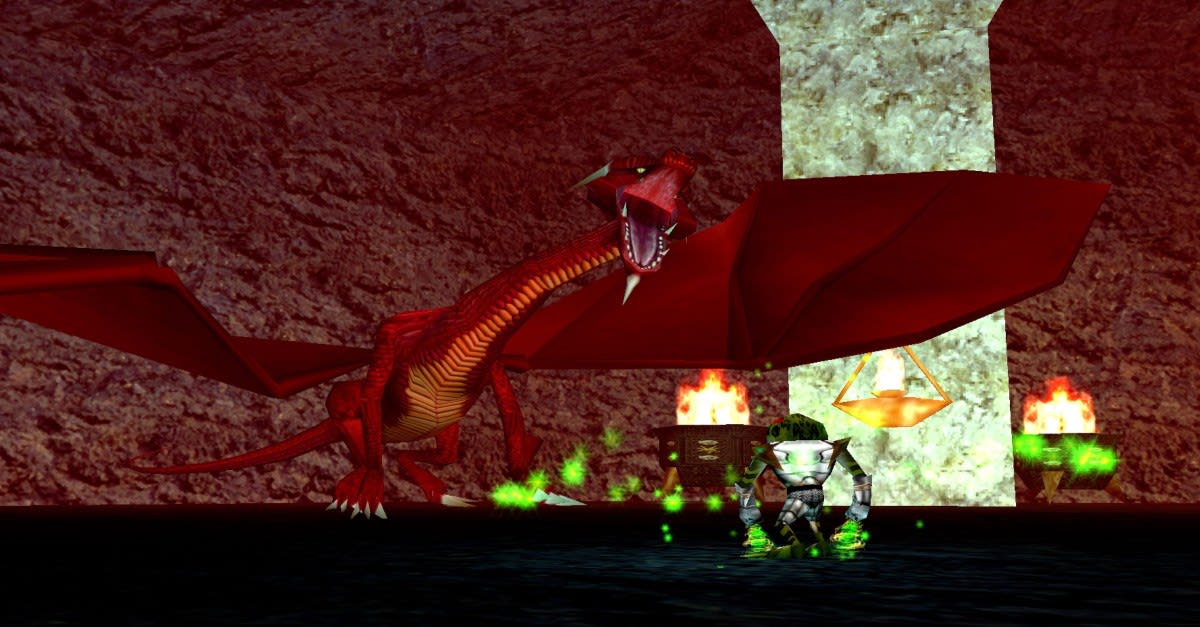
Live-service games and the companies that run them are in big trouble. Games and their developers are getting shut down and gutted, and publishers' huge promises are dubious. Meanwhile, EverQuest, one of the original live-service games, is thundering back more than 25 years later. EverQuest Legends is currently in preorder beta with an upcoming release […]
The Resurgence of a Giant: Analyzing the EverQuest Legends Revival
The gaming industry is currently navigating a period of profound instability, characterized by the rise and subsequent fall of the 'live-service' model. For years, publishers have chased the dream of perpetual revenue streams, often promising expansive, evolving worlds that eventually collapse under the weight of over-monetization or mismanagement. In this climate of corporate volatility and broken promises, the announcement of EverQuest Legends—currently in its preorder beta phase—represents more than just a nostalgia trip; it is a strategic pivot toward community-centric game preservation and revival.
The Crisis of the Modern Live-Service Model
To understand the significance of EverQuest Legends, one must first examine the current state of live-service gaming. The industry has seen a wave of high-profile shutdowns and studio gutting, where games are abandoned shortly after launch if they fail to meet aggressive quarterly growth targets. This 'churn-and-burn' approach has left players disillusioned with the promises of major publishers. The contrast provided by EverQuest is stark; while modern titles often feel disposable, EverQuest is thundering back after more than 25 years, proving that a strong, dedicated core audience is more valuable than a fleeting mass-market trend.
Historical Context: The Legacy of EverQuest
EverQuest was a foundational pillar of the 3D MMORPG (Massively Multiplayer Online Role-Playing Game) genre. Launched in the late 1990s, it established many of the social and mechanical tropes that still define the genre today, including high-stakes exploration and deep social interdependence among players. By returning to this IP, EverQuest Legends taps into a legacy of genuine community bonding and challenging gameplay that is often missing from the streamlined, 'hand-holding' experiences of contemporary live-service titles. The revival is an attempt to recapture the spirit of an era where the game world felt vast, dangerous, and truly shared.
The Power of Fan-Led Revivals
One of the most critical aspects of this revival is the role of the fans. The narrative suggests that the biggest fans are leading the charge, which shifts the power dynamic from the publisher to the player. In the current market, trust is the most valuable currency. By involving the community in the preorder beta phase, the developers are ensuring that the revival remains anchored to the elements that made the original game successful. This grassroots approach serves as a safeguard against the 'corporate gutting' mentioned in the context, as the project is fueled by passion rather than purely by speculative financial projections.
Future Trends: Toward a 'Legacy' Economy
Looking forward, the emergence of EverQuest Legends may signal a broader industry trend: the shift toward a 'legacy economy' in gaming. As players grow tired of the instability of new live-service experiments, there will likely be an increase in the revival of classic IPs that have proven longevity. We can expect to see more developers looking backward to move forward, leveraging existing loyal fanbases to create more sustainable, less volatile business models. This suggests a future where 'eternal' games are not those that chase every new trend, but those that maintain a consistent, high-quality relationship with their original community.
Conclusion
EverQuest Legends arrives at a pivotal moment for the entertainment industry. By leveraging a 25-year-old legacy to combat the current failures of the live-service model, the project demonstrates that authenticity and community loyalty are the best defenses against industry instability. If successful, this revival will provide a blueprint for how classic titles can be modernized without losing the soul that made them legendary in the first place.