From ‘Maachis’ to ‘Satluj’: The films that traced Punjab’s 1984 scars
Source Entity
Kamaldeep Singh Brar
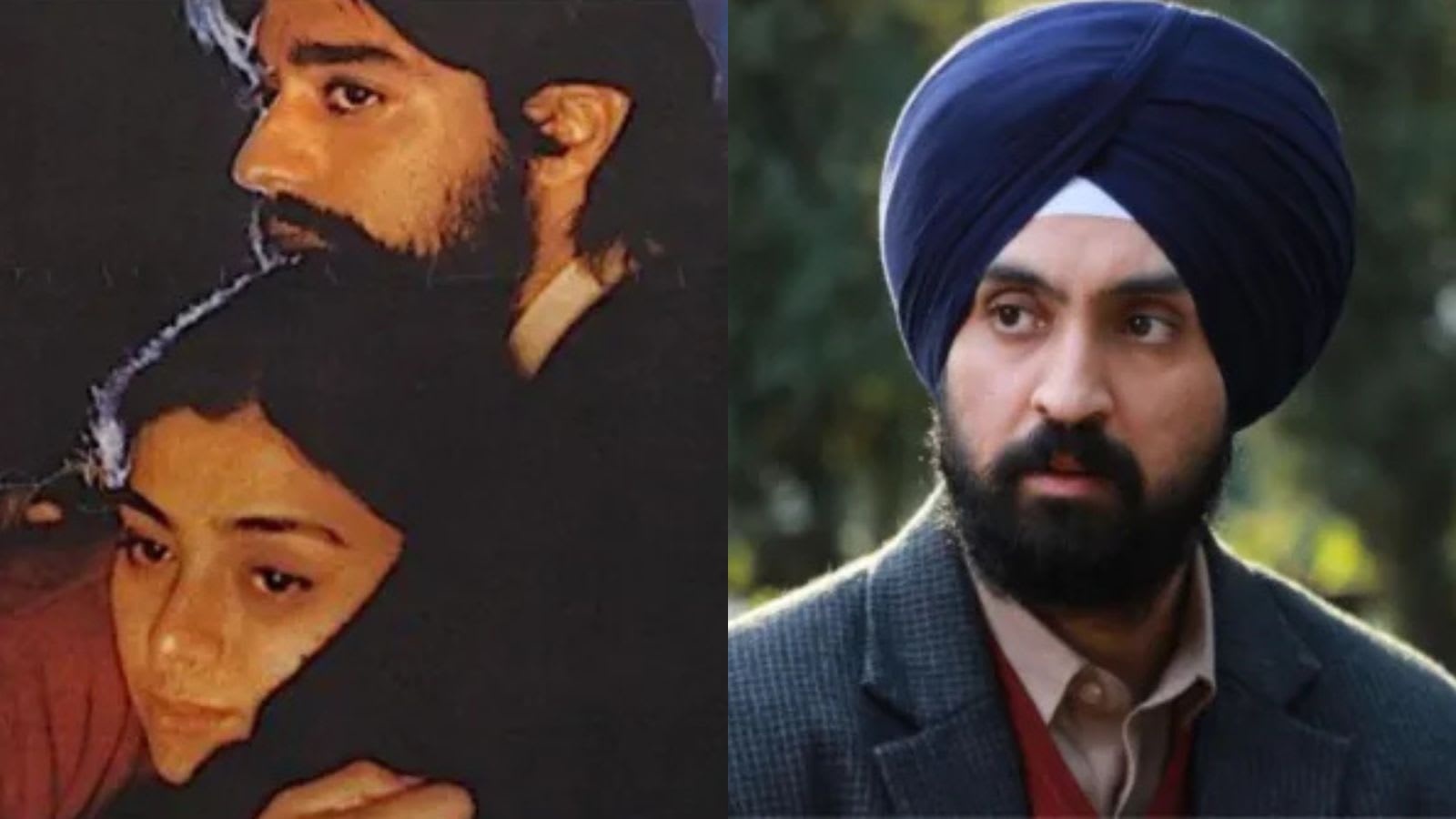
The controversial ban on Satluj, a film based on the life of Punjab human rights activist Jaswant Singh Khalra, stands apart from the history of Hindi and Punjabi cinema that has delved into the polit...
Cinema as a Mirror to Trauma: The Legacy of Punjab's 1984 Scars
Cinema has long served as a powerful medium for processing collective trauma and challenging official narratives. In the context of Punjab, the events surrounding 1984—encompassing Operation Blue Star and the subsequent communal violence—remain some of the most sensitive and contested chapters in Indian history. The cinematic evolution from early explorations like Maachis to the contemporary and controversial film Satluj reflects a deepening struggle between artistic expression, historical memory, and state-mandated silence.
The Case of 'Satluj' and the Fight for Truth
At the center of current discourse is the film Satluj, which chronicles the life of Jaswant Singh Khalra. Khalra was a pivotal human rights activist who courageously worked to uncover the truth behind thousands of "disappeared" individuals during the militancy era in Punjab. The ban on Satluj is not merely a matter of cinematic censorship but a significant political act. By restricting a film that focuses on a man who dedicated his life to counting the dead and identifying the missing, the state effectively attempts to suppress a narrative of accountability and human rights violations.
From 'Maachis' to 'Satluj': A Shift in Perspective
To understand the significance of Satluj, one must look back at films like Gulzar's Maachis. While Maachis delved into the socio-political unrest of the period, it primarily focused on the tragedy of youth being lured into militancy and the cycle of violence that destroyed families. It was a humanistic tragedy that captured the atmosphere of fear. In contrast, Satluj represents a shift toward a more direct, activist-driven documentary-style approach to history. While Maachis looked at the 'how' of the violence, Satluj seeks to address the 'who' and the 'where,' focusing on the systemic disappearances and the bravery of those who sought justice.
The Tension Between Art and State Security
The recurring ban on films dealing with Punjab's political history highlights a persistent tension in Indian cinema. The state often invokes "public order" or "national security" as justifications for censorship. However, from an analytical perspective, these bans often target films that challenge the monochromatic version of history presented by official records. The ban on Satluj suggests that the memory of Jaswant Singh Khalra and his findings remains a volatile subject, indicating that the wounds of the 1980s have not yet fully healed and that the truth remains a perceived threat to stability.
Socio-Political Implications and Cultural Memory
The restriction of such films has a profound impact on cultural memory. When cinema is silenced, the responsibility of remembering falls solely on the survivors and the marginalized. By banning a film about human rights, the state risks erasing the contributions of activists who fought for the rule of law. Cinema has the unique ability to humanize statistics; where a report might list a number of missing persons, a film like Satluj gives those numbers a face and a story, making the loss tangible to a wider audience.
Future Trends in Regional Storytelling
Looking forward, the battle over the narrative of Punjab's 1984 scars is likely to move further into the digital realm. As traditional theatrical bans become less effective due to the rise of global streaming platforms and independent digital distribution, the state's ability to control the narrative is diminishing. We can expect a surge in independent regional cinema that refuses to shy away from political turmoil, pushing the boundaries of what is permissible to discuss in the public sphere.
Conclusion
The journey from Maachis to Satluj illustrates a trajectory of increasing courage in storytelling. While the ban on Satluj serves as a reminder of the state's desire to control history, it also underscores the enduring importance of Jaswant Singh Khalra's legacy. Ultimately, the struggle to bring these stories to the screen is a struggle for the right to remember, ensure justice, and prevent the repetition of past tragedies.