Naxalbari to Dimagi Naxal: The evolution, fragmentation of Left movement in India
Source Entity
Madhurita Goswami
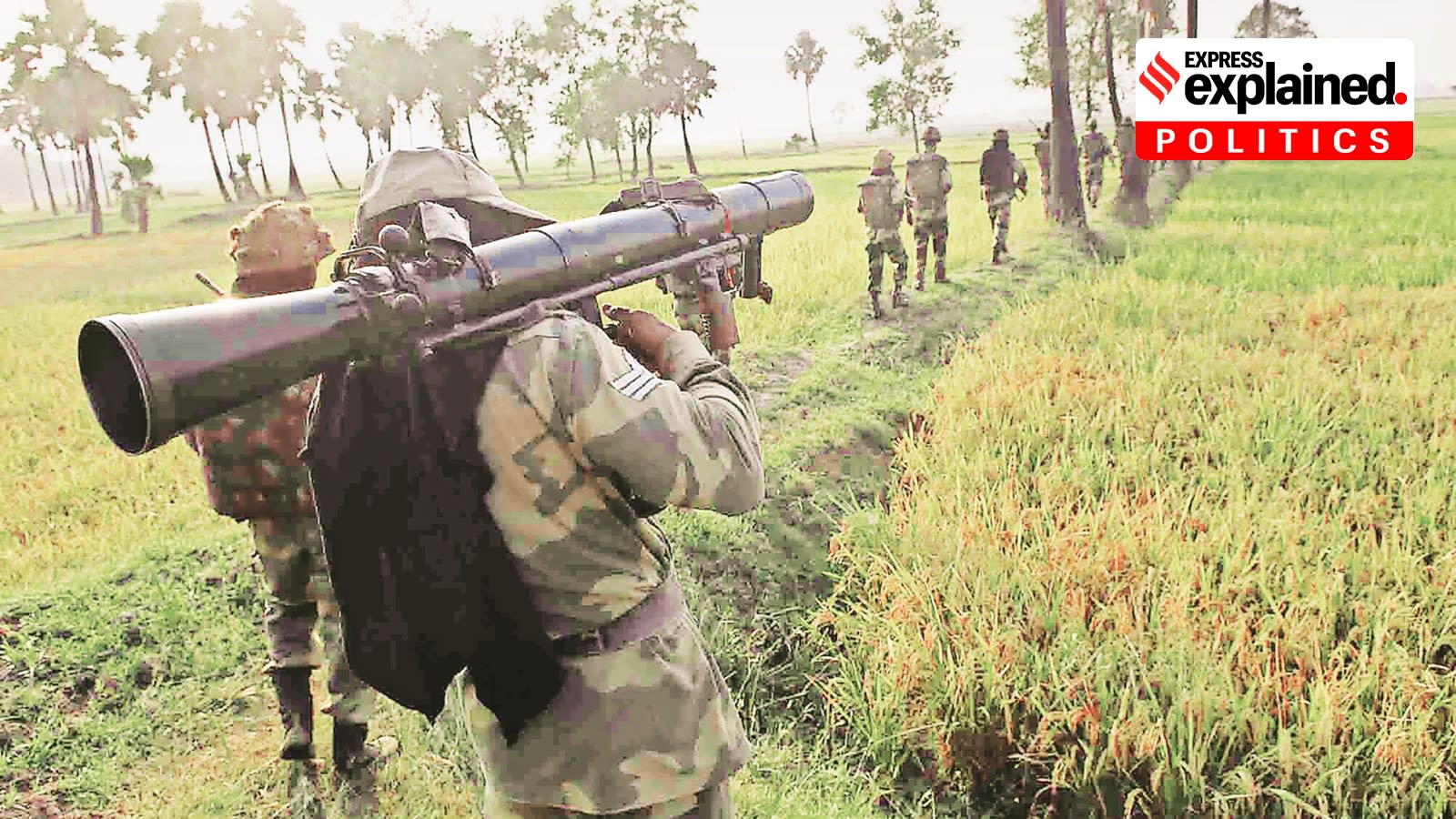
Prime Minister Narendra Modi’s use of the term ‘Dimagi Naxal’ has sparked significant political debate regarding ideology and national discourse. The term, intended to describe those with a Naxalite mindset, has been clarified by government officials as a critique of anti-constitutional ideologies.
The Rhetorical Evolution of 'Dimagi Naxal'
Prime Minister Narendra Modi recently reignited a debate regarding the ideological landscape of India by invoking the term ‘Dimagi Naxal’ (Naxalite mindset) during an address at the Shri Ram College of Commerce. This follows his initial usage of the term during an Independence Day speech, where he characterized the phrase as a 'homeopathic pill' designed to elicit reactions from those he deems ideologically aligned with Naxalite principles. The Prime Minister’s decision to revisit this terminology highlights an ongoing effort to define the boundaries of acceptable political discourse in the country.
Defining the 'Dimagi Naxal'
In the wake of the controversy generated by the initial usage of the term, Minister of Parliamentary Affairs Kiren Rijiju stepped forward to provide a formal government clarification. According to Rijiju, the label is not an attack on political opposition leaders per se, but rather a critique of individuals who purportedly support Maoist ideologies, align with separatist movements—including those involving Article 370 or the Northeast—and exhibit a fundamental rejection of the Indian Constitution. This distinction is crucial for understanding the government's stance on internal security and national unity.
Historical Context: From Naxalbari to Modern Discourse
The term ‘Naxal’ is rooted in the 1967 peasant uprising in Naxalbari, a village in West Bengal’s Darjeeling district. Historically, the Naxalite movement was a radical communist insurgency that sought to overthrow the state through armed struggle. By evolving this historical term into the modern-day ‘Dimagi Naxal,’ the current political administration is attempting to shift the focus from traditional armed insurgency to a perceived 'intellectual' or 'ideological' battleground, suggesting that the threat has migrated from the forests to the minds of the educated elite.
Broader Implications for Indian Politics
This rhetorical strategy underscores a significant polarization in Indian politics. By labeling perceived ideological opponents as having a ‘Naxalite mindset,’ the government is effectively framing the current political struggle as a battle between constitutional patriotism and what it classifies as subversive thought. This framing forces political parties and civil society organizations to clarify their own stances on issues like sovereignty and the rule of law, thereby shaping the national narrative during sensitive policy debates.
Future Trends in Political Rhetoric
Moving forward, it is likely that the term ‘Dimagi Naxal’ will remain a staple in the government's political vocabulary. As India continues to grapple with issues of separatism and internal dissent, the administration appears committed to using such terminology to categorize and confront opposition. The success of this strategy will depend on whether it effectively rallies the public around the government's vision of constitutional nationalism or if it further deepens the divide between the state and those who challenge its ideological foundations.
Conclusion
The emergence of the ‘Dimagi Naxal’ discourse represents a critical moment in the evolution of Indian political rhetoric. By linking historical insurgent terminology with contemporary intellectual and political dissent, the administration is actively redefining the parameters of national loyalty. Whether this nomenclature will lead to a more robust defense of constitutional values or simply exacerbate political fragmentation remains a central question for India’s democratic future.