Rahul Gandhi flags poor condition of PMGSY roads in his constituency
Source Entity
India Latest News: Top National Headlines Today & Breaking News | The Hindu
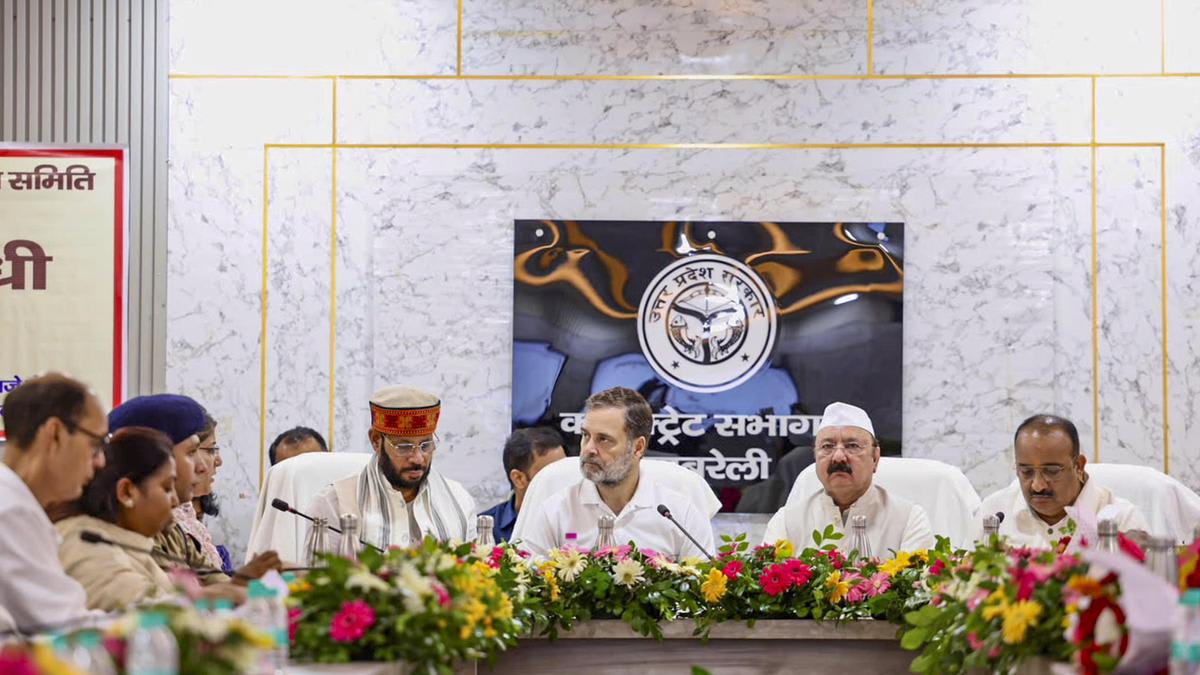
Leader of Opposition Rahul Gandhi highlighted the poor state of PMGSY roads in his Raebareli constituency during a DISHA committee meeting. He demanded accountability from the construction agencies responsible for the infrastructure failures.
Infrastructure Oversight in Raebareli: Rahul Gandhi’s DISHA Intervention
The Context of the DISHA Meeting
On September 9, 2026, Leader of the Opposition Rahul Gandhi utilized the platform of the District Development Coordination and Monitoring Committee (DISHA) meeting in Raebareli to address critical infrastructure failures. Accompanied by Amethi MP Kishori Lal Sharma, Gandhi focused his scrutiny on the Pradhan Mantri Gram Sadak Yojana (PMGSY), a flagship central scheme designed to provide all-weather road connectivity to unconnected rural habitations. By bringing photographic evidence of pothole-riddled roads directly to the Collectorate, Gandhi shifted the discourse from general grievances to specific, evidence-based administrative accountability.
Analyzing the PMGSY Implementation Gap
The PMGSY has historically been the backbone of rural connectivity in India, yet its execution often suffers from regional bottlenecks, poor material quality, and lack of maintenance. Gandhi’s demand for the identification of the agencies responsible for these specific stretches suggests a systemic failure in the oversight mechanism. In a district like Raebareli, where rural connectivity is vital for agricultural logistics and local economic mobility, the deterioration of these roads represents not just a logistical inconvenience, but a failure of the state to ensure the longevity of public assets.
The Role of Elected Representatives in Monitoring
The DISHA committee acts as a bridge between the central government’s financial allocations and ground-level execution. By participating in this forum, Gandhi is exercising his role as a parliamentarian to oversee the implementation of central schemes. This is a crucial procedural step, as the committee is empowered to review the utilization of funds and the performance of contractors. His direct confrontation with the current state of the roads highlights the necessity of active legislative oversight in preventing the wastage of public funds.
Political Implications and Accountability
This incident serves as a manifestation of the ongoing political friction regarding developmental priorities. By documenting the specific condition of the roads, Gandhi is effectively forcing local administrative bodies to explain the discrepancy between sanctioned projects and the finished, degraded output. This tactic elevates the standard of political engagement, moving beyond rhetoric and into the realm of administrative auditing, which can potentially lead to blacklisting or penalty clauses for negligent construction firms.
Future Trends in Rural Infrastructure
Looking ahead, the focus on the quality of PMGSY roads is likely to intensify. As climate patterns become more erratic, the demand for high-quality, durable road infrastructure that can withstand extreme weather will grow. The focus on accountability seen in the Raebareli meeting suggests that future developmental reviews will likely rely more heavily on digital documentation and geo-tagged reporting to ensure transparency. If the local administration fails to rectify these issues, it may lead to a broader audit of construction standards across the state, impacting how future contracts are awarded and monitored.
Verification Required?