Rajasthan BJP heavyweight just shot off letter to Censor Board over Mirzapur song
Source Entity
Hamza Khan
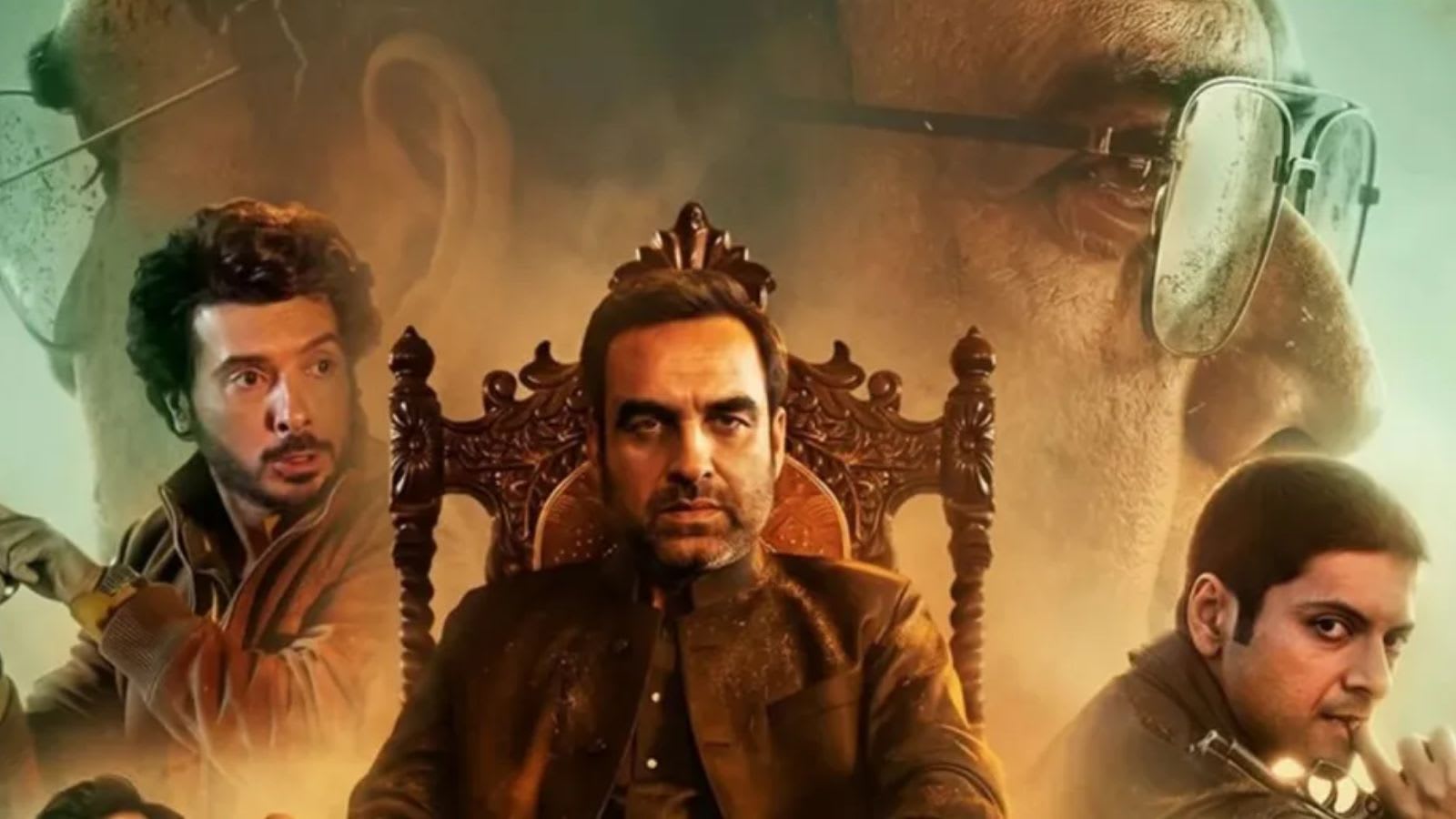
Rajasthan BJP leader Rajendra Rathore has urged the CBFC to remove the song 'Shoorveer' from the upcoming 'Mirzapur: The Movie'. He argues that using a track dedicated to Maharana Pratap in a film about gangsters is disrespectful to the historical icon.
The Controversy Over 'Shoorveer' in Mirzapur: The Movie
A Clash of Cultural Representation
The recent intervention by Rajendra Rathore, a seven-term BJP MLA and former Leader of Opposition in the Rajasthan Assembly, highlights a growing tension between creative liberty in Indian cinema and the protection of historical sanctity. By formally writing to the Central Board of Film Certification (CBFC), Rathore has challenged the inclusion of the song 'Shoorveer' in the upcoming Mirzapur: The Movie. His core objection stems from the perceived misappropriation of a musical tribute originally composed to honor Maharana Pratap, a revered figure in Rajput history known for his valor and sacrifice.
The Sanctity of Historical Figures
Rathore’s protest centers on the contextual mismatch between the song's intent and its cinematic application. According to his letter, the composition is inextricably linked to the legacy of Maharana Pratap—a symbol of self-respect and defiance. When this anthem is juxtaposed with scenes featuring gangsters and criminal subcultures, it creates a dissonance that many, including Rathore, view as an insult to the memory of the warrior king. This reflects a broader trend in Indian public discourse where political leaders act as custodians of historical narratives, ensuring that cultural icons are not relegated to the backdrop of gritty, violent entertainment.
Implications for the Film Industry
This development poses a significant challenge for the makers of Mirzapur: The Movie. The Mirzapur franchise is known for its raw, unfiltered depiction of crime and power struggles in the heartland of India. However, the use of music that carries deep regional or historical sentiment often invites scrutiny from groups sensitive to cultural appropriation. If the CBFC decides to act on Rathore's request, it could set a precedent for more rigorous vetting of soundtracks that utilize cultural or historical motifs, potentially forcing filmmakers to be more cautious about the provenance of their musical choices.
Political and Social Resonance
As a prominent figure in Rajasthan politics, Rathore's involvement carries considerable weight. His demand for the removal of the song is not merely a critique of a film; it is a manifestation of the political importance of historical pride. The 'widespread opposition' mentioned in his correspondence suggests that this is a sentiment shared by segments of the public who feel that the commercialization of history for entertainment purposes often comes at the cost of dignity. This incident serves as a reminder that in India, the line between artistic expression and communal sentiment remains thin and highly contested.
Conclusion and Future Outlook
The outcome of this petition will likely influence how future productions handle historical tributes and regional cultural symbols. It is expected that the CBFC will need to balance the creative intentions of the filmmakers against the legitimate concerns regarding the respectful portrayal of historical figures. As the debate continues, it underscores the necessity for filmmakers to conduct thorough due diligence when incorporating culturally significant themes into fictionalized, often violent, cinematic narratives.