Rude Food by Vir Sanghvi: Currying flavour
Source Entity
Latest News: Todays Latest News Headlines from India & World | Hindustan Times | Hindustan Times
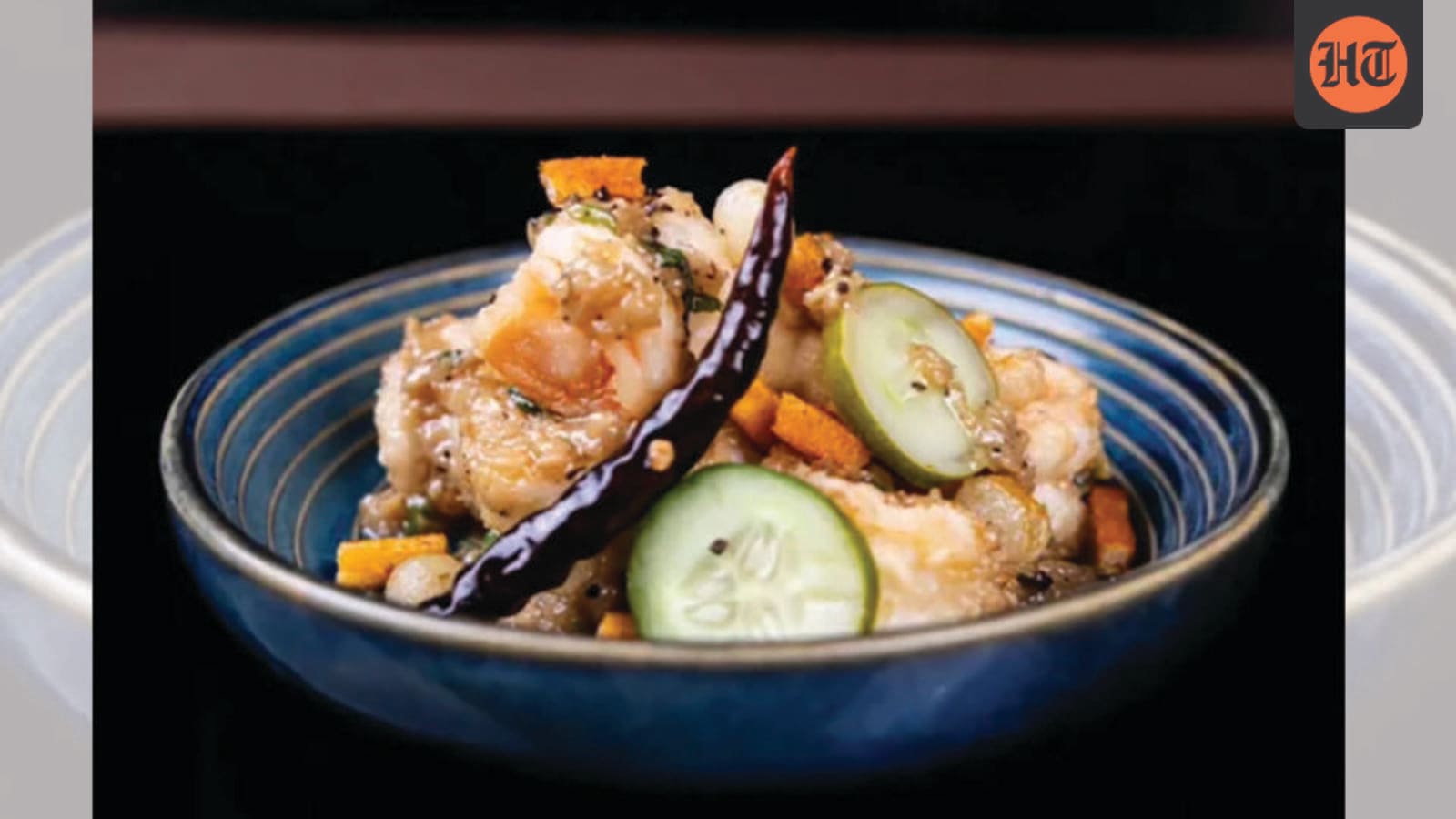
Vir Sanghvi explores the evolution of the Indian dining landscape, contrasting the limited, reliable options of 2006 with today's diverse culinary scene. The modern era is defined by a resurgence of regional authenticity and creative reimaginings of traditional dishes.
The Evolution of the Indian Culinary Landscape
Vir Sanghvi’s recent reflections provide a poignant look at how far the Indian dining scene has traveled in less than two decades. By contrasting the limitations of 2006 with the vibrant diversity of today, we gain insight into a profound shift in consumer expectations and culinary ambition. In the mid-2000s, dining out with guests—particularly international business contacts—was a scripted affair that relied heavily on established, high-end institutions like Bukhara in Delhi or Trishna in Mumbai.
The Era of Predictability (2006)
In 2006, the choice for a 'safe' yet impressive meal was narrow. Bukhara, established in 1978, became the gold standard for hosting because it offered an experience—the aprons, the no-cutlery rule, and the rustic charm—that transcended the sterile atmosphere of typical hotel restaurants. Similarly, Trishna offered a focused, high-quality seafood experience that prioritized flavor over elaborate fine-dining tropes. These venues were the pillars of the industry, providing consistency in an era where the market had not yet diversified.
A Renaissance of Regional Flavors
Today, the landscape has fundamentally transformed. Chefs are no longer content with serving standardized 'Indian' food; instead, they are digging deep into regional archives. We are witnessing a surge in interest for lost Bengali recipes, hyper-local Bandra bites, and refined Punjabi fare. This shift reflects a broader global movement toward provenance and culinary storytelling, where chefs serve as cultural historians as much as cooks.
Reimagining Tradition
Modern Indian gastronomy is characterized by a unique tension between authenticity and innovation. Chefs are increasingly comfortable 'reimagining' classic dishes, applying modern techniques to traditional flavor profiles to keep them relevant for a contemporary palate. This evolution indicates a confident culinary identity that no longer feels obligated to cater solely to foreign expectations of what 'Indian food' should be, but rather presents the food as it is understood by locals.
Future Trends and Market Implications
As we look toward the future, this trend of regional specialization is likely to intensify. The democratization of the dining experience—moving away from solely hotel-led fine dining toward specialized, chef-driven establishments—suggests that the industry is maturing. The focus is shifting from grand, multi-cuisine menus to focused, authentic narratives that celebrate regional complexity. This shift not only enriches the consumer experience but also bolsters the sustainability of local food cultures by bringing them into the mainstream spotlight.
Verification Required?