From caste & salary to 'vibe check': How India’s marriage biodata is evolving
Source Entity
PRIYANKA JAISWAL
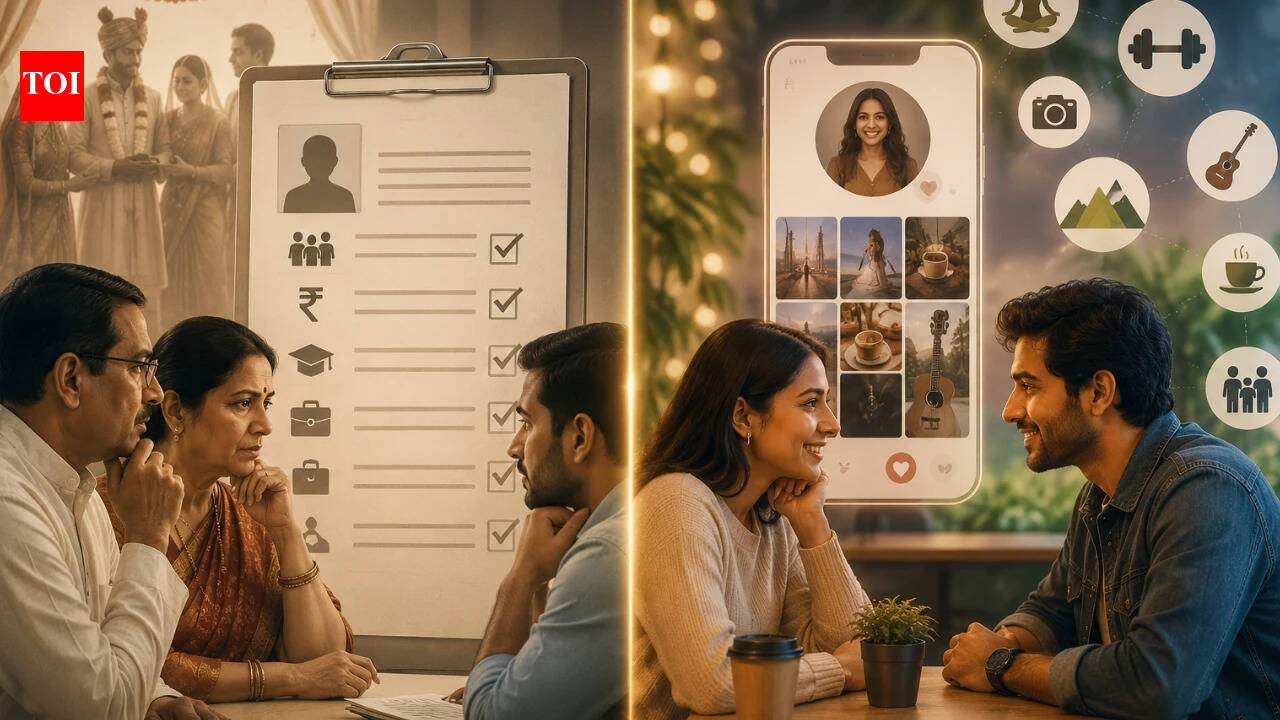
India's marriage biodata culture is undergoing a significant transformation, moving from rigid traditional checklists to more nuanced, personality-driven criteria. While the search for compatibility is evolving, deep-rooted societal biases and structural expectations continue to persist in the matchmaking process.
The Evolution of Indian Matchmaking: Beyond the Biodata
India’s matrimonial landscape is currently undergoing a subtle yet profound transformation. Traditionally, the process of finding a life partner has been anchored by the 'marriage biodata'—a structured document that serves as a resume for matrimony. For decades, this document prioritized socio-economic markers: caste, salary, family background, and physical attributes. However, as the nation sees approximately 10 million marriages annually, the parameters defining a 'suitable match' are shifting from static labels to dynamic personality traits.
The Shift from 'Fitting In' to 'Fitting Together'
The historical reliance on the biodata functioned as a filter to ensure a couple would 'fit in' with their respective extended families. Today, there is a visible move toward 'fitting together'—an emphasis on emotional intelligence, shared values, and lifestyle compatibility. The classic interrogation of a woman’s domestic skills, characterized by the trope 'khana bana leti ho?' (Can you cook?), is being challenged by a generation that values individual aspirations and partnership equality. This shift represents a broader cultural movement where the individual’s identity is finally beginning to take precedence over their utility within the household.
New Words, Old Biases
Despite the progressive evolution of language in modern matrimonial profiles, deep-seated biases remain. While the terminology used on apps and in informal discussions may now include buzzwords like 'vibe check' or 'intellectual compatibility,' the underlying expectations often revert to traditional norms. The tension between modern autonomy and the pressure to adhere to conservative family expectations creates a paradoxical environment where the 'old checklist' is evolving, but doing so quite slowly. The persistence of caste as a primary search filter, for instance, proves that structural societal norms are far more resilient than individual preferences.
The Biodata vs. The Person
One of the most critical aspects of this evolution is the increasing recognition of the gap between the biodata and the person. A document, no matter how detailed, remains a flattened representation of a human being. The current discourse suggests that while families continue to rely on these documents for initial screening, there is a growing acknowledgment that a 'perfect' biodata does not guarantee a successful marriage. The modern search is increasingly characterized by a struggle to reconcile the cold, hard data of professional status with the unpredictable, subjective nature of human connection.
Broader Implications and Future Trends
As India’s marriage market continues to integrate digital platforms and AI-driven matchmaking, the influence of the traditional biodata is likely to wane further. Future trends suggest that the 'vibe check'—a colloquialism for psychological and emotional synergy—will become the primary metric of success. However, until societal structures regarding gender roles and caste hierarchies fully evolve, the marriage biodata will likely remain a hybrid document: a mix of modern aspirations and traditional constraints. The trajectory of Indian matrimony remains a reflection of the country's wider tension between its modernizing youth and its deep-rooted cultural heritage.