From Agatti to Leh: 5 of India’s most scenic airports
Source Entity
The Indian Express
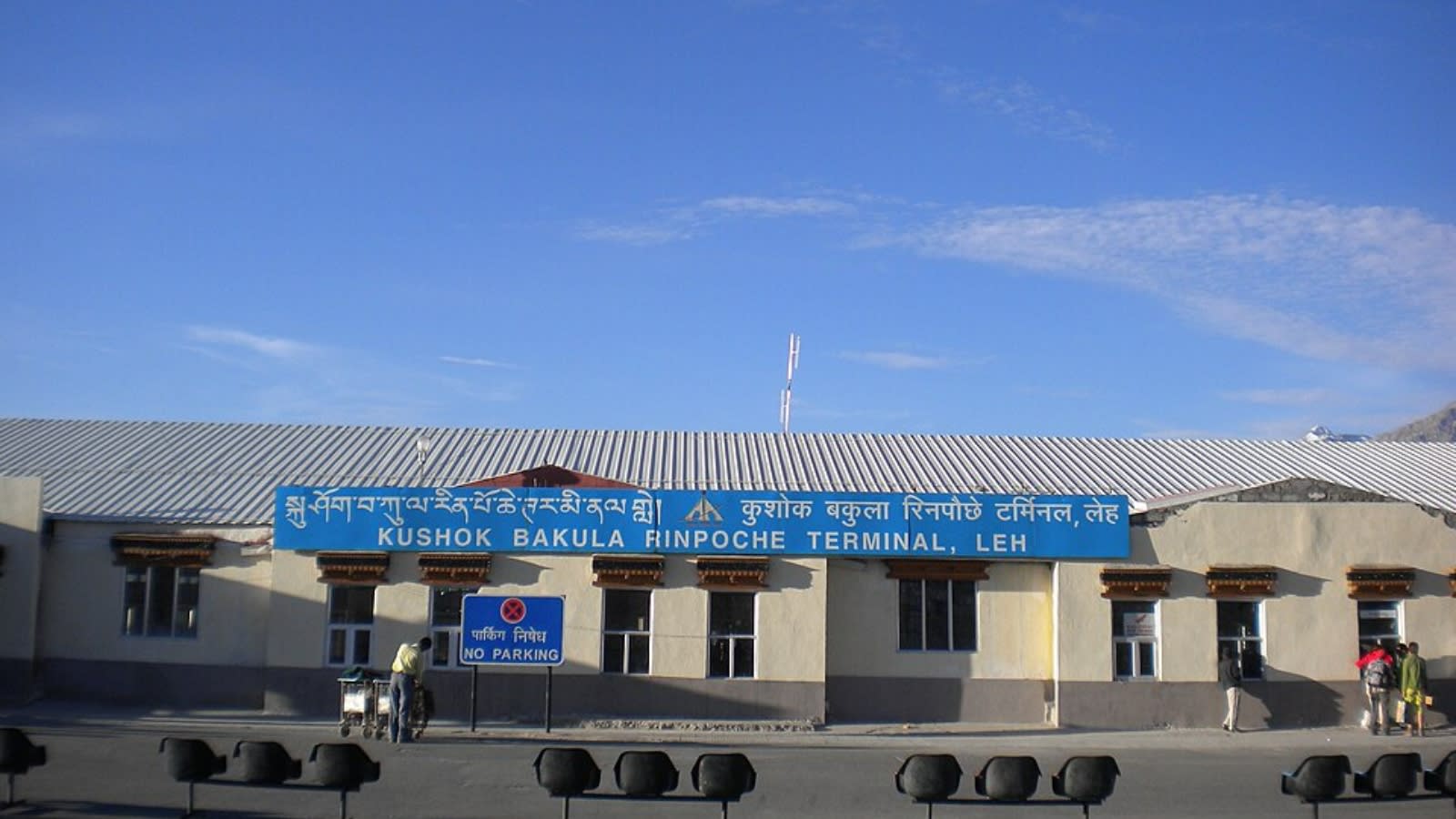
India's airports often serve as scenic gateways, with locations like Agatti in Lakshadweep offering breathtaking views. These unique runway settings highlight the diverse geography of the Indian subcontinent.
The Intersection of Aviation and Landscape in India
Airports are traditionally viewed as utilitarian transit points, designed solely for efficiency and safety. However, in India, a select few airports transcend this functional role to become integral parts of the travel experience itself. When the landing process offers panoramic views of the natural environment, the airport ceases to be a mere gateway and instead becomes a destination in its own right, setting the tone for the visitor's entire journey.
The Unique Geography of Agatti Airport
Among these, the Agatti Airport in Lakshadweep stands out as a paragon of scenic aviation. Situated on a narrow strip of land within the Arabian Sea, the runway is surrounded by the vast expanse of the ocean and a vibrant, turquoise lagoon. This setting is not just aesthetically pleasing but represents a complex engineering feat, as the infrastructure must coexist with the delicate ecosystem of the island archipelago. The approach to Agatti is often cited for its visual impact, where the contrast between the runway and the deep blue water creates a surreal landing experience.
Expanding the Aviation Narrative
Beyond the immediate beauty, such airports serve as vital lifelines for remote regions. In the case of Lakshadweep, the airport is the primary link for tourism and essential services, connecting the mainland to the isolated island communities. The integration of such infrastructure into sensitive environments requires a careful balance between tourism expansion and environmental preservation, ensuring that the natural beauty that attracts visitors is not compromised by the very transport networks that make travel possible.
The Role of Scenery in Indian Tourism
India's vast and varied geography—ranging from the high-altitude Himalayan ranges to the tropical archipelagos of the Arabian Sea—provides a unique canvas for aviation design. Airports like Agatti capitalize on these natural assets to differentiate the Indian travel experience. These locations are increasingly becoming highlights in travel itineraries, where the descent into the airport is considered a 'must-see' attraction, effectively branding the region through its unique topographical characteristics.
Future Trends in Airport Design
As India continues to modernize its aviation infrastructure, there is a growing trend toward emphasizing the 'sense of place' in airport terminal and runway design. By showcasing the surrounding landscapes, authorities can promote regional identity and boost tourism. Moving forward, the challenge will be to maintain this scenic appeal while upgrading facilities to handle increased passenger traffic, ensuring that the environmental integrity of these high-value landscapes remains protected for future generations of travelers.