The deadly forces behind Nepal’s Himalayan disasters
Source Entity
PRANJAL PANDEY
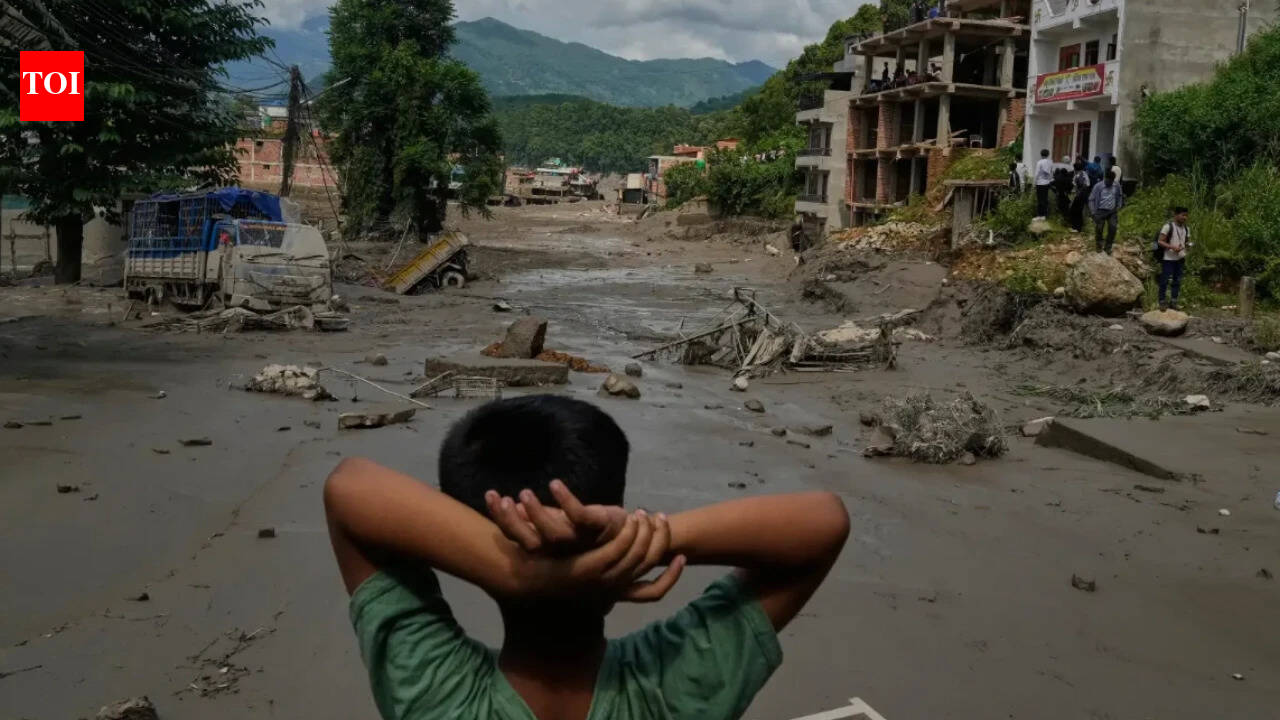
Northern Indian border states are on high alert due to flash floods originating in Nepal, while tensions rise in Rae Bareli following the desecration of an Ambedkar statue. Authorities are managing both the environmental disaster and the local law-and-order situation.
Environmental and Social Challenges in Northern India
Flash Floods Threaten Border Regions
A severe environmental crisis is unfolding as flash floods originating in Nepal pose an immediate threat to the Indian border states of Uttar Pradesh, Bihar, and Uttarakhand. The deluge, which occurred approximately 200 km north of the border, has already resulted in significant casualties and left hundreds missing, including a notable contingent of Indian tourists. The situation is exacerbated by the opening of barrage gates in Nepal, which serves to accelerate the volume of water flowing into the Gandak, Ghaghara, and Rapti river systems.
The Hydrological Risk Factor
The geographical interconnectedness of the region means that the Trishuli and Bhote Koshi rivers act as conduits for this surge, ultimately impacting the Gandak and Narayani rivers in India. The sudden influx of water from mountain valleys creates a dangerous hydrological scenario for low-lying areas in North Bihar and Uttar Pradesh. Regional authorities have been placed on high alert, as the potential for riverine flooding remains elevated, necessitating rigorous monitoring of water levels to prevent further loss of life.
Social Unrest in Rae Bareli
Parallel to the natural disaster, a localized social crisis has emerged in the Baburiha village of Rae Bareli district. On August 25, 2026, the discovery of mud and soot smeared on a statue of Dr. B.R. Ambedkar triggered significant public anger. The incident, which occurred under the cover of darkness, has been perceived as a deliberate act of provocation, leading to immediate community protests and demands for accountability from local law enforcement.
Law Enforcement Response and Stability
In response to the tension in Baburiha, local police officials—including the Additional Superintendent of Police and the Circle Officer of Unchahar—have intervened to restore order. By engaging directly with the aggrieved residents and promising a swift, transparent investigation, authorities have managed to stabilize the immediate environment. The deployment of police forces serves as a precautionary measure to ensure that social harmony is maintained while the investigation into the unidentified culprits proceeds.
Interconnected Challenges
While the floods and the statue desecration appear unrelated in origin, they present a dual challenge for regional administration. Both incidents require a high degree of vigilance and rapid response to mitigate long-term instability. Whether managing the physical safety of citizens against the backdrop of rising river levels or ensuring the protection of cultural and social symbols, the state machinery is currently stretched to maintain order across these diverse fronts.
Future Outlook
Looking ahead, the resilience of these regions will depend on effective disaster management infrastructure and the capacity of local authorities to resolve communal tensions swiftly. The potential for future flooding necessitates long-term cross-border cooperation regarding water management, while the incident in Rae Bareli underscores the ongoing need for social vigilance and the protection of public monuments to prevent the exploitation of sensitive sentiments by unidentified actors.
Multiple Citing Sources