Forensic Expert Team From Gujarat Leaves For Nepal To Identify Flood Victims
Source Entity
NDTV News Search Records Found 1000
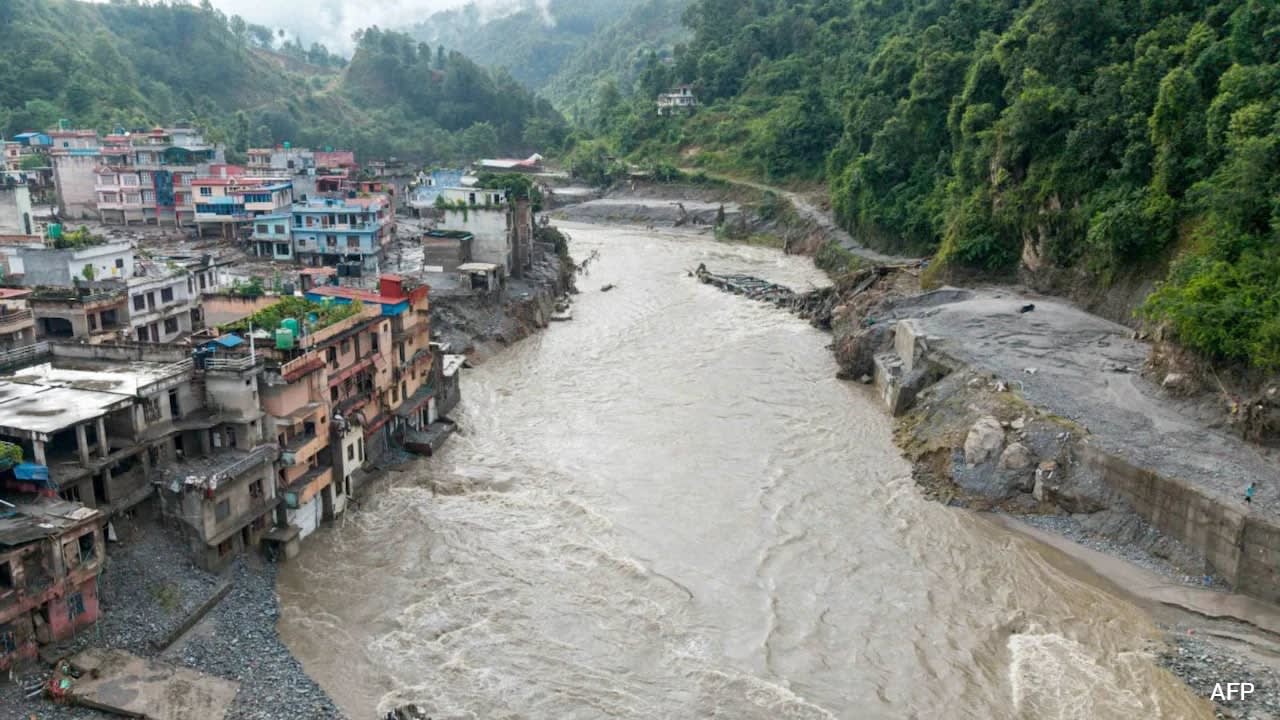
Northern India faces a dual crisis involving high-alert flood risks from Nepal and civil tension in Rae Bareli following the desecration of an Ambedkar statue. Authorities are actively managing both the hydrological threats to riverine districts and the local community unrest.
Crisis Management in Northern India: Floods and Social Unrest
Escalating Hydrological Threats from Nepal
Northern India is currently grappling with a significant environmental challenge as severe weather conditions in neighboring Nepal threaten the stability of river systems across Uttar Pradesh and Bihar. Flash floods originating approximately 200 km north of the Indian border have triggered high-alert protocols in multiple districts. The primary concern lies in the potential for a sudden surge in water volume within the Ghaghara, Rapti, Gandak, and Kosi rivers. This risk is exacerbated by the opening of barrage gates in Nepal, which is a necessary measure to manage internal water pressure but poses downstream risks to Indian settlements.
The Mechanics of Cross-Border Flooding
The geography of the region facilitates a rapid transmission of floodwaters. The Trishuli river, which integrates flow from the Bhote Koshi originating in Tibet, serves as a major tributary to the Gandak. When flash floods sweep through these mountain valleys in Nepal, the downstream impact on Uttar Pradesh and north Bihar is often immediate. With nearly 400 tourists—including over 100 Indian nationals—reported missing in the wake of the initial Nepali flash floods, the scale of the catastrophe highlights the vulnerability of cross-border river basins to extreme weather events.
Social Tension in Rae Bareli
Simultaneously, the administration is managing a separate, sensitive situation in the Baburiha village of the Rae Bareli district. On August 25, 2026, the local community expressed widespread anger following the desecration of a statue of Dr. B.R. Ambedkar, which had been smeared with mud and soot. Such incidents often serve as flashpoints for communal and social friction, necessitating a rapid response from law enforcement to maintain public order and prevent the escalation of local grievances into broader civil unrest.
Administrative Response and De-escalation
In both instances, the state machinery has moved quickly to establish control. In Rae Bareli, the arrival of the Additional Superintendent of Police and the Circle Officer of Unchahar was pivotal in calming the agitated residents. By assuring the villagers of a fair and swift investigation into the acts of the unknown miscreants, the police have effectively prevented further volatility. The deployment of security forces in the village acts as a necessary precautionary measure to ensure that the investigation can proceed without further intimidation or disruption.
Broader Implications and Future Trends
The dual nature of these events—one stemming from environmental volatility and the other from social instability—underscores the complexity of governance in Northern India. The floods highlight the urgent need for enhanced transboundary water management and early warning systems between India and Nepal to mitigate the loss of life and property. Conversely, the incident in Rae Bareli reflects the ongoing necessity for local authorities to remain vigilant regarding the protection of public symbols and the maintenance of social harmony. Moving forward, the effectiveness of these administrative responses will be measured by their ability to provide long-term stability in both the environmental and social spheres.
Multiple Citing Sources
Verification Required?