Ex-Fed advisor gets over three years in prison for lying about China ties
Source Entity
US Top News and Analysis
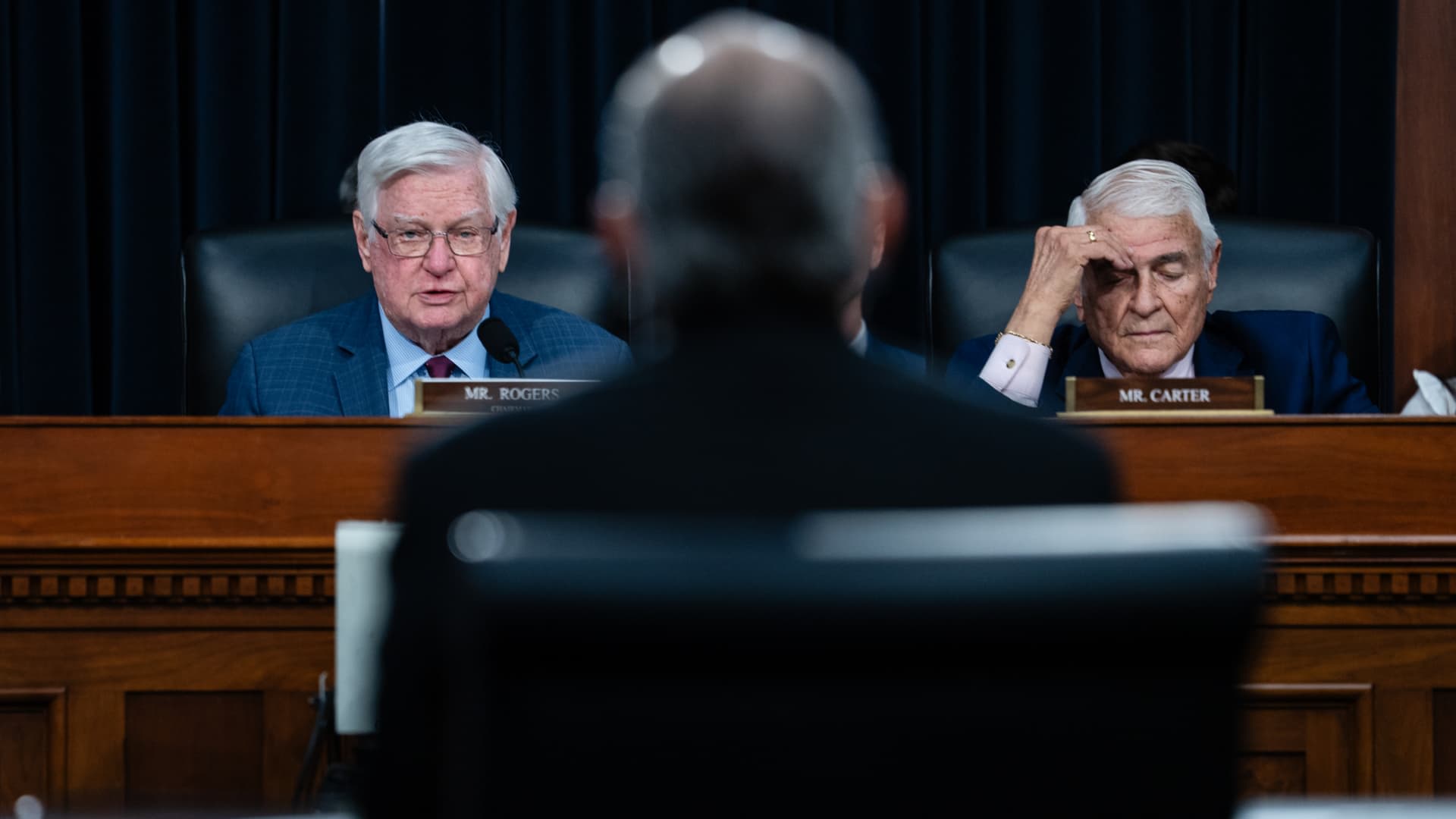
A former Federal Reserve advisor has been sentenced to over three years in prison for lying about their connections to China, highlighting a broader U.S. crackdown on foreign economic espionage and the targeting of key government institutions.
National Security and the Federal Reserve: Analyzing the Sentencing of a Former Advisor
The sentencing of a former Federal Reserve advisor to more than three years in prison for concealing ties to China represents a critical intersection of financial policy and national security. This case is not merely a legal victory over a single individual's dishonesty, but a symbolic marker of the heightened tensions between the United States and China. By targeting an advisor to the Federal Reserve—the most powerful economic institution in the world—the prosecution underscores the vulnerability of U.S. financial infrastructure to foreign influence operations.
The Legal Implications of Deception
At the core of this case is the act of lying to federal investigators. In many espionage-related prosecutions, the government leverages charges related to making false statements (often under 18 U.S.C. § 1001) when the full scope of a foreign intelligence operation is difficult to prove in court. The three-year prison sentence serves as a deterrent, signaling that the act of concealment is, in itself, a severe crime when it involves national security interests. This suggests that the U.S. Department of Justice is prioritizing the integrity of institutional transparency over the specific details of the intelligence gathered.
The Strategic Value of the Federal Reserve
To understand why this case is so prominent, one must consider the strategic value of the Federal Reserve. As the entity that manages the U.S. dollar—the world's primary reserve currency—the Fed's internal deliberations on interest rates, inflation, and monetary policy can move global markets in seconds. An advisor with access to the internal thinking of the Fed is a high-value target for any foreign intelligence agency. The ability to predict U.S. economic pivots or understand the internal pressures facing the Fed would provide a significant geopolitical and economic advantage to the Chinese government.
Contextualizing the Crackdown on Economic Espionage
This prosecution occurs within the broader framework of the Trump administration's aggressive pursuit of foreign economic espionage. For years, the U.S. has accused China of utilizing 'talent programs' and covert networks to recruit academics, scientists, and government consultants to funnel intellectual property and strategic insights back to Beijing. This case elevates the conversation from the theft of corporate trade secrets to the infiltration of government advisory roles, suggesting a shift in focus toward 'institutional capture' where foreign powers seek to influence policy from the inside.
Systemic Vulnerabilities in Advisory Roles
The incident reveals a systemic vulnerability in how the U.S. government vets its external advisors. Many advisors are brought in for their expertise and perceived objectivity, but the lack of rigorous, ongoing disclosure requirements can create blind spots. This case highlights the danger of 'dual loyalties,' where an individual may believe they are simply sharing academic or professional insights while actually serving as a conduit for a foreign intelligence service. It raises urgent questions about the balance between open intellectual exchange and the necessity of strict security clearances for those influencing federal policy.
Future Trends in National Security Vetting
Moving forward, this sentencing is likely to trigger a wave of stricter vetting processes for all consultants and advisors across the U.S. government. We can expect an increase in mandatory disclosure forms, more frequent background checks, and a potential shift toward 'closed-door' advisory panels where access is strictly limited to citizens with top-level security clearances. The era of the 'relaxed' academic advisor to federal agencies is likely ending, replaced by a more securitized approach to governance.
Conclusion
In summary, the imprisonment of the former Fed advisor is a pivotal moment in the ongoing geopolitical struggle between the U.S. and China. It demonstrates that the U.S. government views the protection of its economic institutions as a primary national security priority. By punishing the deception surrounding foreign ties, the U.S. is attempting to seal the gaps in its institutional defenses and send a clear message: the infiltration of the American financial heart is a crime that will be met with significant legal consequences.