Nagpur Cyber Police register FIR against content creators over alleged defamatory campaign targeting Nitin Gadkari
Source Entity
India Latest News: Top National Headlines Today & Breaking News | The Hindu
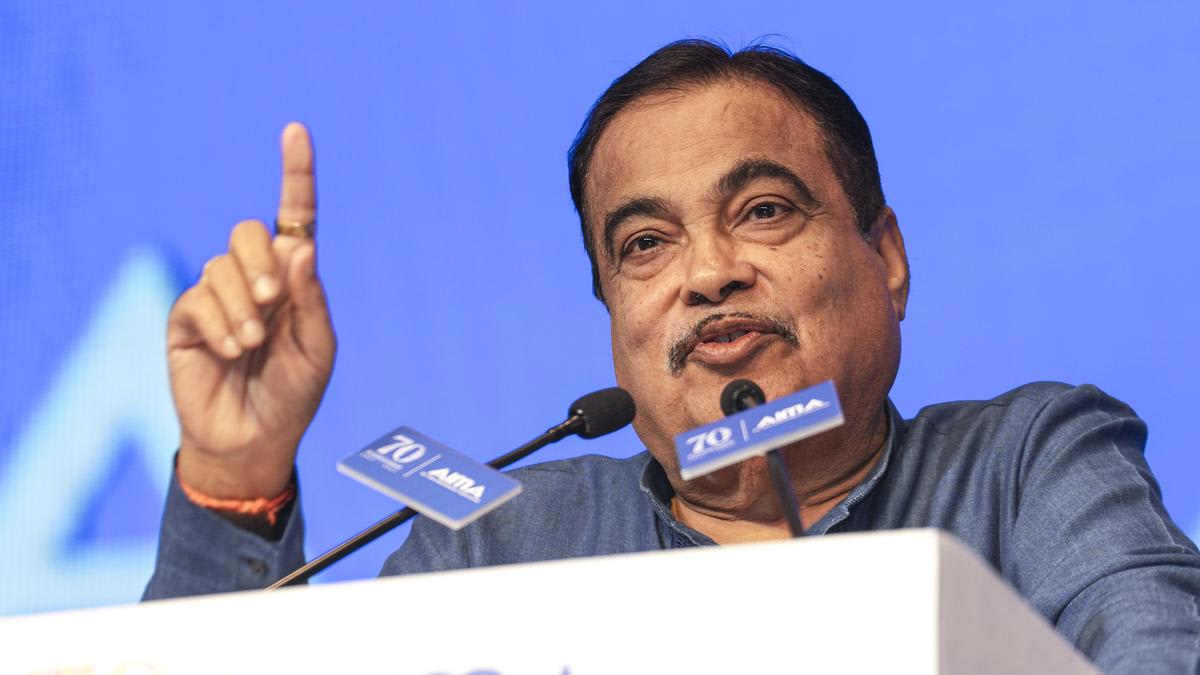
Nagpur Cyber Police have registered an FIR against several content creators for an alleged defamatory campaign targeting Union Minister Nitin Gadkari, specifically regarding criticisms of the government's E20 ethanol-blended fuel policy.
Legal Clash Over Green Energy: The Nitin Gadkari Defamation Case
In a significant intersection of digital activism and legal enforcement, the Nagpur Cyber Police have registered a First Information Report (FIR) against a group of content creators. The legal action follows an alleged coordinated campaign intended to defame Union Minister Nitin Gadkari. The core of the dispute centers on social media posts that criticized the Indian government's Ethanol-blended (E20) fuel policy, transforming a technical policy debate into a criminal legal matter.
The E20 Policy and the Root of the Conflict
To understand the friction, one must look at the E20 fuel mandate, which aims to blend 20% ethanol with gasoline. This policy is a cornerstone of India's strategy to reduce its heavy reliance on crude oil imports, lower carbon emissions, and provide a secondary income stream for farmers by utilizing agricultural waste and sugarcane. Nitin Gadkari, the Minister for Road Transport and Highways, has been the most vocal proponent of this transition, framing it as a necessity for national energy security and environmental sustainability.
Technical Skepticism vs. Defamation
The content creators in question reportedly leveraged their platforms to question the viability of E20 fuel. Common points of contention in such digital discourses often include the potential for engine corrosion in older vehicles not designed for high ethanol blends, concerns over fuel efficiency, and the ethical dilemma of "food vs. fuel"—where land used for food crops is diverted to fuel production. However, the police action suggests that the narrative shifted from legitimate technical criticism to targeted defamation, crossing the line into personal attacks or the spread of misinformation regarding the Minister's intentions.
The Role of the Nagpur Cyber Police
The involvement of the Cyber Police highlights the increasing scrutiny of the "creator economy" in India. As influencers gain the power to sway public opinion on government policies, authorities are more frequently using the Information Technology (IT) Act and defamation laws to curb what they perceive as malicious campaigns. This case underscores the vulnerability of digital creators who engage in policy critique without rigorous fact-checking, as the legal threshold between "fair comment" and "defamation" remains highly contested in Indian courts.
Historical Context of Gadkari's Energy Vision
This event is not an isolated clash but part of a longer trajectory of Nitin Gadkari's career. For over a decade, Gadkari has championed alternative fuels, including CNG, LNG, and Hydrogen. His push for ethanol is a culmination of his vision to make India a global hub for biofuels. Because he has tied his political identity closely to these innovations, attacks on the E20 policy are often viewed not just as policy disagreements, but as direct assaults on his professional integrity and the government's strategic roadmap.
Broader Implications for Digital Discourse
The FIR sends a potent signal to the digital community regarding the boundaries of political critique. While the right to criticize government policy is protected, the use of social media to orchestrate "campaigns" can be interpreted as a conspiracy to malign a public official. This may lead to a "chilling effect" where content creators become more cautious about discussing government mandates, potentially reducing the volume of public scrutiny but also decreasing the spread of unverified alarmist content.
Conclusion and Future Outlook
Moving forward, this case will likely serve as a precedent for how the Indian state handles digital dissent regarding technical policy implementations. While the legal process unfolds, the government will likely double down on public awareness campaigns to explain the benefits of E20 fuel to mitigate public anxiety. The resolution of this FIR will determine whether the creators are viewed as whistleblowers highlighting technical flaws or as agents of a defamatory campaign, ultimately shaping the relationship between the government and the influential digital class.
Verification Required?