Opposition worries Supriya Sule the start, others may lean towards government proposal
Source Entity
Manoj C G, Liz Mathew, Vikas Pathak, Jatin Anand
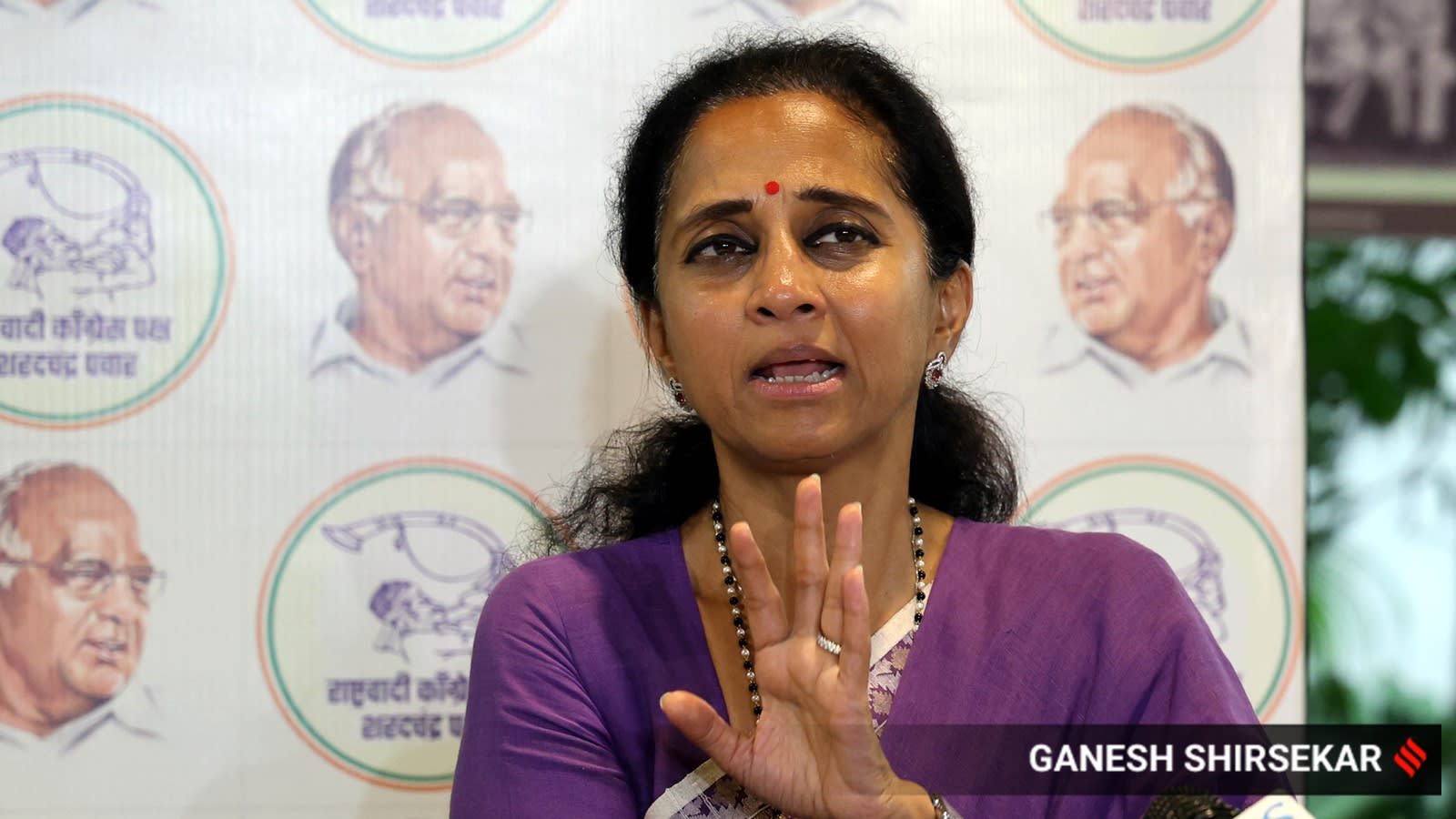
NCP (SP) leader Supriya Sule's indication that her party might support the delimitation Bill—provided the government ensures an increase in total seats—has created anxiety among opposition parties, who fear a fracture in their unified resistance to the government's implementation strategy for women's reservation.
The Delimitation Dilemma: Political Fractures Over Women's Reservation
The political landscape in India is currently witnessing a strategic tug-of-war regarding the implementation of the Women's Reservation Bill (Nari Shakti Vandan Adhiniyam). The core of the current tension lies in the statement made by NCP (SP) leader Supriya Sule, who signaled that her party could potentially support the delimitation Bill if the government provides guarantees regarding a 50% increase in seats. This conditional openness has sent ripples through the opposition camp, as it suggests a potential breach in the unified front that has otherwise sought to challenge the government's timeline and methodology for implementing gender-based quotas in Parliament.
The Critical Link: Reservation and Delimitation
To understand the gravity of Supriya Sule's stance, one must understand the structural link between women's reservation and delimitation. The government has tied the implementation of the 33% reservation for women to the completion of the next census and the subsequent delimitation exercise—the process of redrawing constituency boundaries to reflect population changes. For many opposition parties, this linkage is a "Trojan Horse." Delimitation is a highly sensitive issue because it threatens to shift political power from southern states, which have successfully controlled population growth, to northern states with higher population surges. By agreeing to the delimitation Bill, parties are not just agreeing to women's quotas, but to a potential reconfiguration of India's electoral map.
The 'Sule Effect' and Opposition Anxiety
Supriya Sule's willingness to negotiate on the basis of seat increases introduces a new variable into the opposition's strategy. Other opposition leaders worry that if a prominent figure like Sule leans toward the government's proposal, it creates a domino effect. The fear is that the government may use such individual party concessions to isolate other opposition members, effectively breaking the collective bargaining power of the INDIA bloc or other coalitions. If the government can convince a handful of key regional players that their specific interests (such as increased representation) will be protected during delimitation, the broader opposition resistance to the government's terms may collapse.
Historical Context of Seat Allocation
Historically, the redrawing of boundaries in India has always been fraught with political peril. The last major delimitation was based on the 1971 census, and a freeze was placed on the number of seats to ensure that states pursuing population control were not penalized. The current push for a new delimitation exercise is seen by some as a move to reward demographic growth over demographic stability. Sule's proposal to ensure a seat increase is an attempt to mitigate these losses, but it fundamentally acknowledges the validity of the delimitation process, which is exactly what the more hardline opposition elements are trying to avoid.
Strategic Implications for the Government
From the government's perspective, this opening is a tactical victory. By linking a popular and morally imperative cause—women's political empowerment—to the technical necessity of delimitation, the administration has put the opposition in a paradoxical position. If the opposition opposes the delimitation Bill, they risk appearing as though they are blocking women's reservation. By engaging with leaders like Supriya Sule, the government can present its proposal as a flexible framework that can accommodate the needs of various parties, thereby eroding the opposition's narrative of government rigidity.
Future Trends and Political Forecast
Looking forward, the discourse around the delimitation Bill will likely become the primary battleground for electoral strategy leading up to the next census. We can expect more "conditional" signals from regional parties as they attempt to secure their own interests in a post-delimitation India. The tension between the need for gender justice in politics and the fear of regional disenfranchisement will likely lead to a complex series of negotiations. Ultimately, the government may offer specific safeguards for southern states to bring more parties on board, but the initial crack created by Sule's stance may permanently alter the opposition's approach to this legislative hurdle.