Bhajans-kirtans to yajnas, Himachal Pradesh Congress uses new playbook to corner BJP over Ram Temple row
Source Entity
Saurabh Parashar
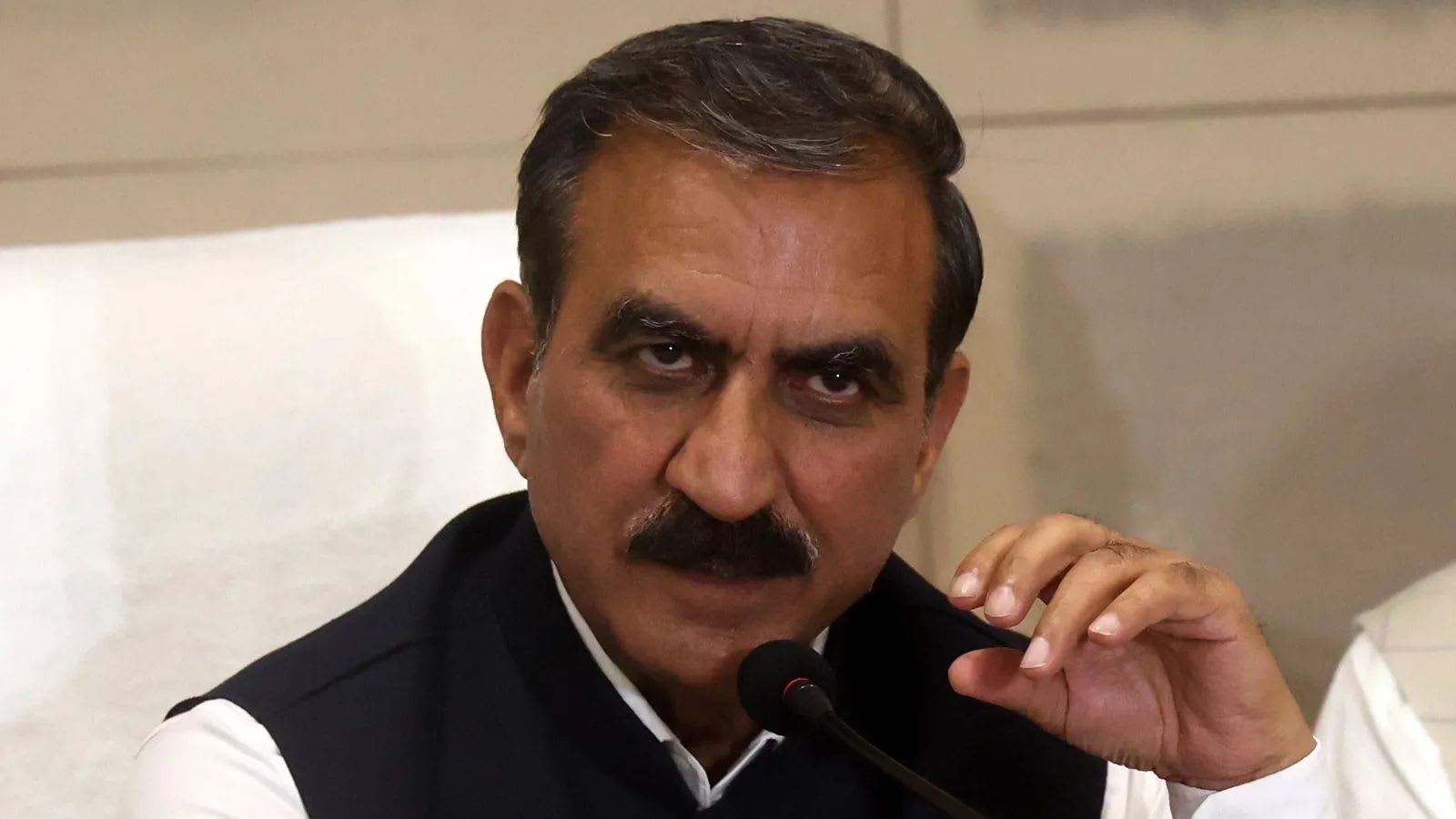
The Himachal Pradesh Congress party has adopted a strategic shift in its political approach, utilizing religious activities such as bhajan-kirtans and yajnas to protest against the BJP over alleged misappropriation of Ram Temple donations.
Strategic Shift: Congress Adopts Religious Imagery in Himachal Pradesh
In a striking departure from its traditional political positioning, the ruling Congress party in Himachal Pradesh has launched a campaign utilizing deeply religious activities—including bhajans, kirtans, and yajnas—to challenge the Bharatiya Janata Party (BJP). This move comes as part of a coordinated protest against the BJP over allegations regarding the theft or misappropriation of donations intended for the Ram Temple. By organizing thousands of workers to march toward Lord Ram temples, the Congress party is not merely protesting a financial irregularity but is actively engaging in a symbolic battle for cultural and religious legitimacy.
The 'New Playbook' and Tactical Neutralization
This 'new playbook' represents a calculated tactical shift. For decades, the Congress party has largely leaned on a platform of secularism and inclusive governance. However, in the face of the BJP's dominant narrative centered on Hindutva and the ideological victory of the Ram Temple's construction, the Congress is attempting to neutralize the BJP's monopoly over religious sentiment. By incorporating bhajan-kirtans and yajnas into their political protests, the Congress is signaling to the electorate that it is equally respectful of and committed to Hindu traditions, thereby attempting to strip the BJP of its primary ideological weapon in the region.
Turning Devotion into a Governance Issue
At the heart of this specific protest is the allegation of the 'theft of donations.' This is a sophisticated political maneuver: by linking the Ram Temple—a symbol of immense emotional and spiritual value—to allegations of corruption or theft, the Congress is attempting to pivot the conversation from faith to governance. This strategy seeks to frame the BJP not as the protector of the faith, but as a party that potentially exploited religious fervor for illicit gain. This transition from a religious debate to a corruption debate is critical, as it allows the Congress to attack the BJP on a ground where the ruling party is traditionally vulnerable: administrative transparency.
Historical Context and the Evolution of Political Rhetoric
Historically, political contests in Himachal Pradesh have often revolved around regional development, apple farming, and state autonomy. While religious identity has always played a role, it rarely manifested as the primary vehicle for opposition protests by the Congress. The current scenario reflects a broader trend in Indian politics where the boundaries between the secular and the sacred are blurring. The adoption of religious rituals as a form of political protest indicates that the Congress party believes that purely secular rhetoric is no longer sufficient to win over a significant portion of the electorate that views religious identity as central to their political affiliation.
Regional Implications and Future Trends
Looking forward, this strategy in Himachal Pradesh could serve as a blueprint for Congress units in other BJP-stronghold states. If the party finds success in cornering the BJP by using the BJP's own religious symbols against it, we can expect a rise in 'competitive piety' across the Indian political landscape. This trend suggests a future where political parties will not necessarily move away from religion, but will instead compete to prove who is the 'truer' representative of the faith. In Himachal Pradesh, this could lead to increased polarization, but it also forces a dialogue on the ethics of managing religious funds and the intersection of faith and political financing.
Conclusion
The Himachal Pradesh Congress party's decision to use bhajans, kirtans, and yajnas to protest the BJP's alleged handling of Ram Temple donations is a high-stakes gamble. By blending religious devotion with accusations of financial misconduct, the party is attempting to reclaim the cultural narrative while simultaneously attacking the BJP's integrity. Whether this 'new playbook' will yield long-term electoral dividends remains to be seen, but it undeniably marks a new chapter in the state's political discourse.