F1 in Belgium: Machine learning algorithms are ruining the sport
Source Entity
Jonathan M. Gitlin
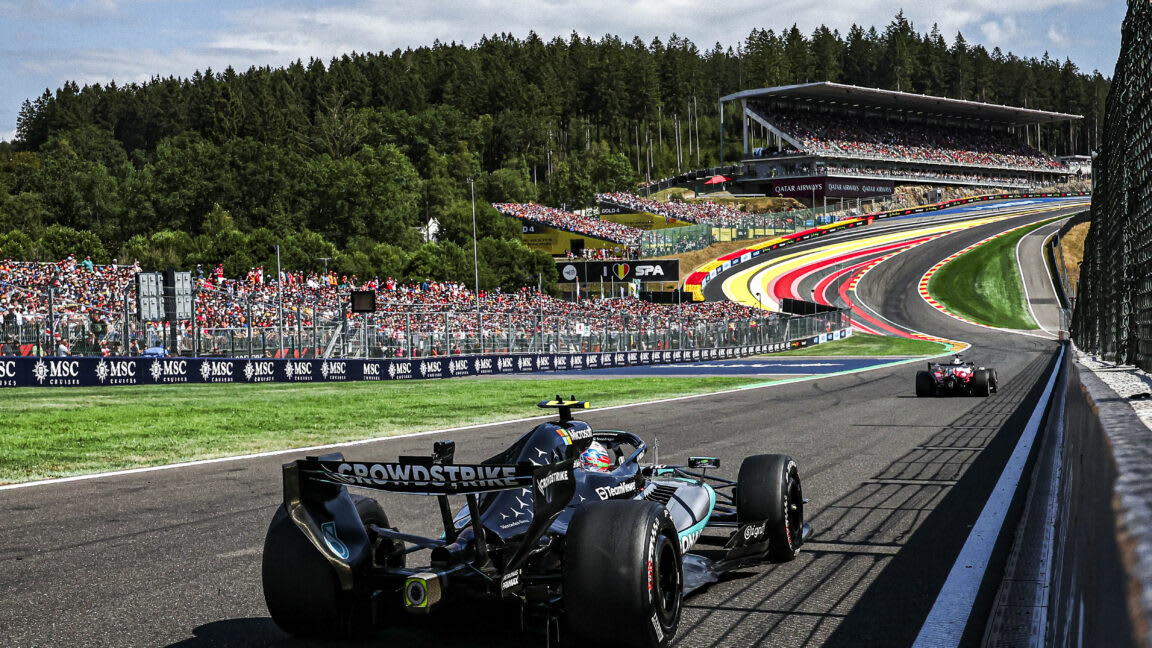
Formula 1's return to the historic Spa-Francorchamps circuit has sparked debate over whether modern car design and machine learning constraints are undermining the sport. Critics argue that current power unit limitations make modern F1 cars ill-suited for the demanding, high-speed nature of the iconic Belgian track.
The Collision of Heritage and Modern Engineering
Formula 1 recently returned to the storied Spa-Francorchamps circuit for the Belgian Grand Prix, reigniting a fierce debate regarding the compatibility of modern racing machinery with historic venues. While Spa remains a crown jewel in the racing world—having been part of the inaugural 1950 season—recent performances have led critics to argue that the current iteration of F1 cars is fundamentally ill-suited to the demands of this legendary Ardennes track.
The Power Deficit Dilemma
The core of the controversy lies in the power management of current F1 power units. Reports from the track suggest that modern cars are struggling with energy depletion, mirroring issues observed earlier this year at Suzuka. Specifically, the onboard battery systems are only capable of powering the electric motor for a few seconds per lap. This creates a performance paradox where, for the majority of the circuit, these high-tech machines are delivering less power to the rear wheels than the cars found in the junior Formula 2 feeder series.
Machine Learning and Algorithmic Constraints
Critics contend that the integration of machine learning algorithms and complex energy management software is inadvertently 'ruining' the sport. By optimizing for efficiency rather than raw, sustained power, these systems force drivers into defensive energy-saving modes that stifle the competitive nature of racing at high-speed tracks like Spa. This technological dependency appears to be creating a disconnect between the capability of the venue and the limitations of the hardware.
The Historical Significance of Spa
Spa-Francorchamps is widely regarded by drivers and fans alike as the greatest racetrack on the planet. Its elevation changes, long straights, and technical corners like Eau Rouge have historically rewarded bravery and mechanical grip. However, when the machinery is restricted by energy-starved power units, the 'best track in the world' becomes a venue where the cars are unable to express their full potential, leading to a diminished spectacle for the sport's global audience.
Future Implications for F1
As Formula 1 moves toward future regulation changes, the findings from this weekend highlight a critical need for a balance between sustainable technology and the visceral excitement of motorsport. If modern cars continue to underperform at historic venues due to algorithmic energy constraints, the sport risks alienating its base. The challenge for engineers is to ensure that the pursuit of efficiency does not come at the cost of the performance standards that define Formula 1 as the pinnacle of racing.