Repair Of Old Copper Wiring Led To Hours-Long Flight Mess: Team Trump
Source Entity
NDTV News Search Records Found 1000
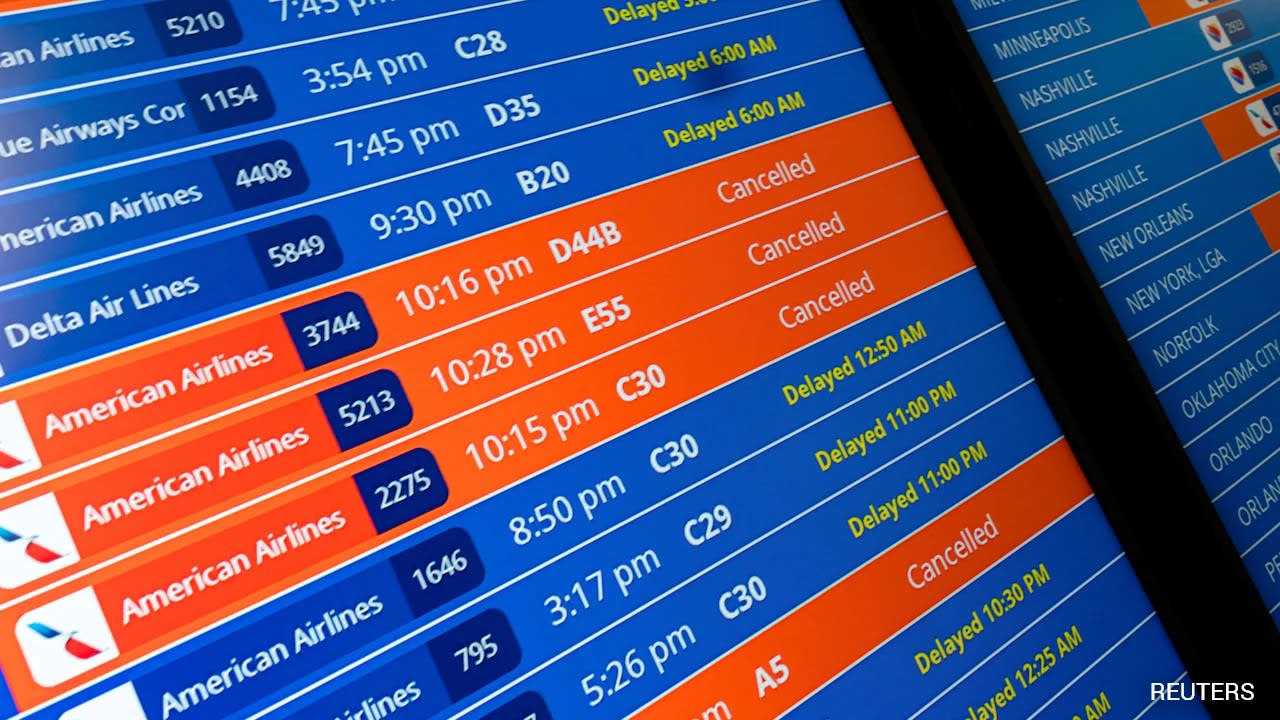
A major FAA ground stop triggered by aging infrastructure repairs caused nationwide flight chaos. While systems have been restored, thousands of cancellations continue to impact travelers.
The Anatomy of an Aviation Breakdown
The recent nationwide ground stop issued by the Federal Aviation Administration (FAA) represents one of the most significant disruptions to U.S. air travel in the last quarter-century. For over four hours on a Friday, the domestic airspace was effectively paralyzed, triggering a cascade of logistical failures. While the agency officially lifted the stop at 8:15 p.m. ET, the repercussions of this halt have persisted well into the weekend, leaving thousands of passengers stranded and airlines struggling to normalize operations.
Infrastructure Vulnerabilities and Technical Failure
The root cause of this systemic failure has been attributed to the intersection of legacy infrastructure and modern upgrades. According to reports from the Trump administration team, the effort to repair and replace old copper wiring within air traffic control facilities proved more complex than anticipated. As new technology was integrated into the existing framework, the antiquated equipment became overloaded, resulting in intermittent communication outages and critical gaps in radar coverage. This forced the FAA to initiate a total ground stop to ensure the safety of the flying public, which the agency maintains is its highest priority.
The Scale of the Disruption
The numbers surrounding the event highlight the fragility of the U.S. aviation network. FlightAware data indicates that the disruption resulted in over 6,200 delays and more than 3,400 cancellations by early Saturday. The ripple effect was so severe that it impacted not only commercial travelers but also professional and collegiate sports teams, who were forced to seek alternate transportation methods. The sheer volume of affected flights underscores how a localized technical failure at a control facility can quickly metastasize into a nationwide mobility crisis.
Recovery Efforts and System Stability
Following the lifting of the ground stop, the FAA prioritized the stability of its systems, conducting thorough testing before permitting a limited number of domestic flights to resume. The agency has expressed confidence that the current operations are reliable; however, the recovery process is inherently slow. Airlines must manage displaced crews and aircraft, a process that can take days to resolve. Officials have signaled that while the backlog is significant, they expect the system to be fully operational in time for the upcoming Thanksgiving travel rush, which will serve as a high-stakes stress test for the repaired infrastructure.
Broader Implications for Aviation Policy
This incident serves as a stark reminder of the challenges inherent in modernizing aging national infrastructure. The reliance on legacy copper wiring in an era of digital-first aviation technology creates a precarious environment where maintenance windows can turn into operational disasters. Moving forward, this event is likely to trigger heightened scrutiny from lawmakers regarding the pace of FAA modernization programs and the necessity of redundant systems that can prevent a total blackout when individual components fail.
Conclusion: A Path Toward Modernization
While the immediate crisis has been mitigated, the industry remains in a recovery phase. The FAA’s ability to thoroughly test systems before resuming operations was a necessary step, yet the event leaves behind a legacy of public concern regarding the robustness of U.S. air traffic control. Future trends will likely focus on accelerated investments in digital infrastructure to replace the vulnerable legacy components that precipitated this historic shutdown, ensuring that the U.S. airspace remains both efficient and secure.
Multiple Citing Sources
Verification Required?