US Aviation Team To Visit India Tomorrow: Why The Safety Audit Matters
Source Entity
NDTV News Search Records Found 1000
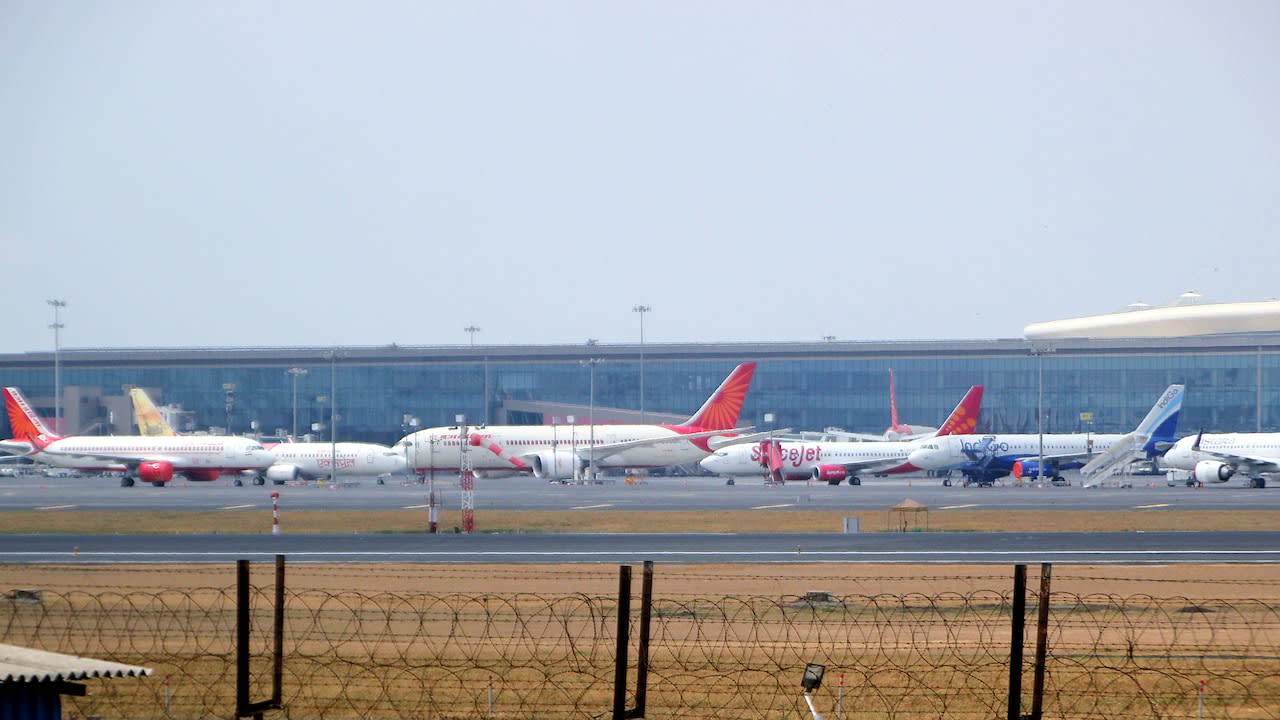
A US Federal Aviation Administration (FAA) team is arriving in India to conduct a critical safety audit. Retaining Category 1 status under the IASA programme is essential for Indian carriers to maintain international flight operations to the United States.
The Significance of the FAA Safety Audit in India
The arrival of a United States Federal Aviation Administration (FAA) team in India marks a pivotal moment for the nation’s civil aviation sector. At the heart of this visit is the International Aviation Safety Assessment (IASA) programme, a rigorous benchmarking tool used by the US to ensure that foreign air carriers meet international safety standards defined by the International Civil Aviation Organization (ICAO). For India, this audit is not merely a routine inspection but a fundamental test of its regulatory oversight capabilities.
Understanding Category 1 Status
The most immediate concern for India is retaining its Category 1 status under the FAA's IASA programme. A Category 1 rating indicates that a country's civil aviation authority complies with ICAO standards, allowing its air carriers to operate or expand services to the United States and participate in reciprocal code-sharing arrangements with US airlines. Conversely, a downgrade to Category 2 would impose severe restrictions, freezing the expansion of routes and limiting the ability of Indian carriers to leverage global partnerships, which would significantly dampen the country's aviation growth trajectory.
Implications of Regulatory Oversight
This audit focuses heavily on the efficacy of India's Directorate General of Civil Aviation (DGCA) in overseeing its fleet. The FAA assesses critical elements such as technical expertise, training of personnel, and the existence of adequate safety laws and regulations. Maintaining Category 1 status requires a continuous demonstration that India can properly supervise its airlines, enforce safety compliance, and maintain the infrastructure necessary for safe global air travel.
Broader Economic and Global Impact
The aviation industry acts as a massive multiplier for economic activity, and the ability to maintain direct connectivity with the US market is vital for trade, tourism, and business travel. If India were to face a downgrade, the immediate operational impact would be compounded by a loss of international confidence in its aviation safety protocols. Such a scenario would necessitate costly and time-consuming corrective measures to regain the FAA's trust, potentially stalling the ambitious expansion plans of major Indian carriers currently eyeing increased trans-Atlantic presence.
Historical Context and Future Trends
India has navigated previous audits with varying degrees of success, often prompting the DGCA to undertake significant internal reforms to align with global best practices. These audits serve as a catalyst for institutional modernization. Looking forward, as the Indian aviation market continues to witness a post-pandemic surge in passenger traffic, the pressure on regulatory bodies to maintain high safety standards will only intensify. The FAA's visit reinforces the necessity of a permanent, robust safety culture that evolves in tandem with the country's growing air traffic.
Conclusion
In summary, the upcoming FAA audit is a critical validation of India's commitment to global safety standards. By ensuring that its regulatory framework remains in harmony with international requirements, India safeguards its position as a key player in the global aviation ecosystem. The outcome of this visit will be instrumental in determining the operational freedom of Indian airlines on the world stage for the foreseeable future.
Verification Required?