Facebook is giving users more control over their algorithm
Source Entity
Lauren Forristal
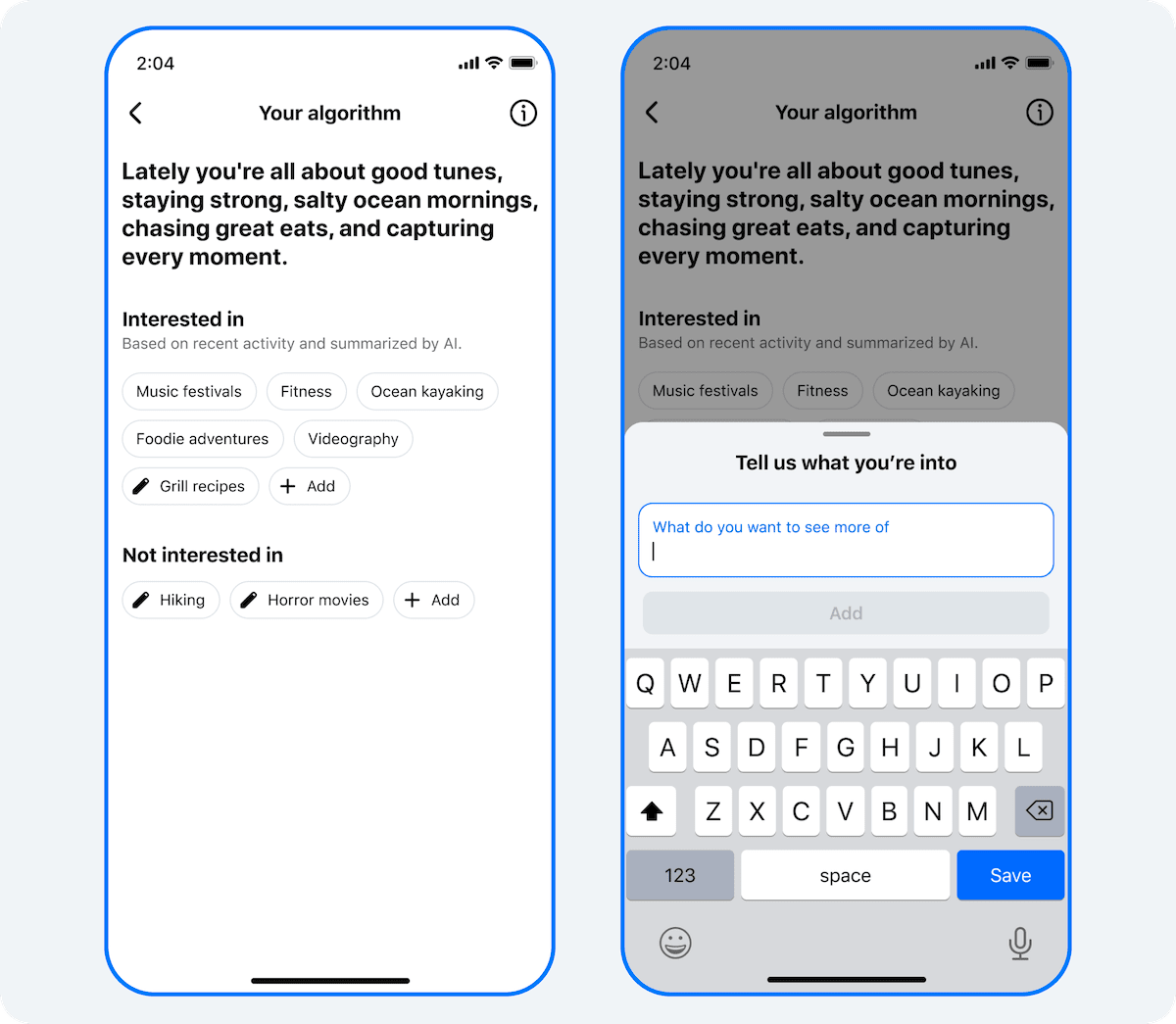
Meta is rolling out the 'Your Algorithm' feature to Facebook, allowing users to customize their Feed and Reels content using natural language. This tool empowers users to directly influence recommendations by specifying interests and preferences, following similar launches on Instagram and Threads.
Meta Empowers Facebook Users with AI-Driven Feed Customization
Meta has officially announced the expansion of its 'Your Algorithm' feature to the Facebook platform, marking a significant shift in how the social media giant manages content discovery. By integrating this AI-powered tool into both the main Feed and Facebook Reels, Meta is granting users a more granular level of control over the content they encounter. This move represents a strategic pivot toward user-centric design, moving away from opaque, purely automated recommendation systems toward a collaborative model where the user provides explicit input.
How the New Feature Operates
The functionality allows users to interact with the platform’s ranking engine in real-time. By utilizing the 'interested' or 'not interested' buttons, or by describing preferences in their own words through natural language, users can signal their content desires directly to the algorithm. Meta has indicated that the system is designed to respond immediately to these inputs, effectively recalibrating the user's content stream on the fly. Furthermore, the inclusion of follow-up questions suggests that Meta aims to refine its AI's understanding of nuanced user intent rather than relying on simple binary signals.
The Ecosystem Approach: Instagram and Threads
This rollout follows a clear strategic roadmap within Meta’s family of apps. The 'Your Algorithm' tool was previously introduced on Instagram, and a similar concept, branded as 'Dear Algo,' was launched on Threads. By standardizing this feature across its primary platforms, Meta is creating a unified user experience that prioritizes content agency. This suggests that Meta views algorithmic transparency and user feedback as core components of long-term platform retention and engagement.
Implications for Content Discovery
The shift toward natural language processing (NLP) to dictate feed preferences highlights the maturation of Meta's AI capabilities. By moving beyond mere implicit signals—such as dwell time or click-through rates—and embracing explicit user intent, Meta is attempting to solve the 'filter bubble' problem. If successful, this tool could drastically reduce the prevalence of irrelevant or unwanted content, thereby increasing the daily time spent on the platform as the feed becomes more closely aligned with individual tastes.
Future Trends and Platform Governance
As social media platforms face increasing regulatory scrutiny regarding their recommendation algorithms, providing users with tools to audit and influence these systems is a proactive measure. By allowing users to 'tell us, in your own words' what they want to see, Meta is essentially crowdsourcing the training data for its recommendation models. Looking ahead, we can expect further integrations of AI-driven customization as competitive pressures from other platforms force companies to prioritize user satisfaction and transparency over strictly engagement-driven metrics.
Conclusion
In summary, the introduction of 'Your Algorithm' to Facebook is a major step toward democratizing the feed experience. By empowering users with the ability to define their digital environment through direct feedback, Meta is evolving its platform to be more responsive and personalized. Whether this significantly alters the social media landscape depends on user adoption, but it undoubtedly sets a new benchmark for how major platforms should balance automated curation with human control.
Multiple Citing Sources