Fadnavis letter: SG flags power tribunal to CJI
Source Entity
DHANANJAY MAHAPATRA
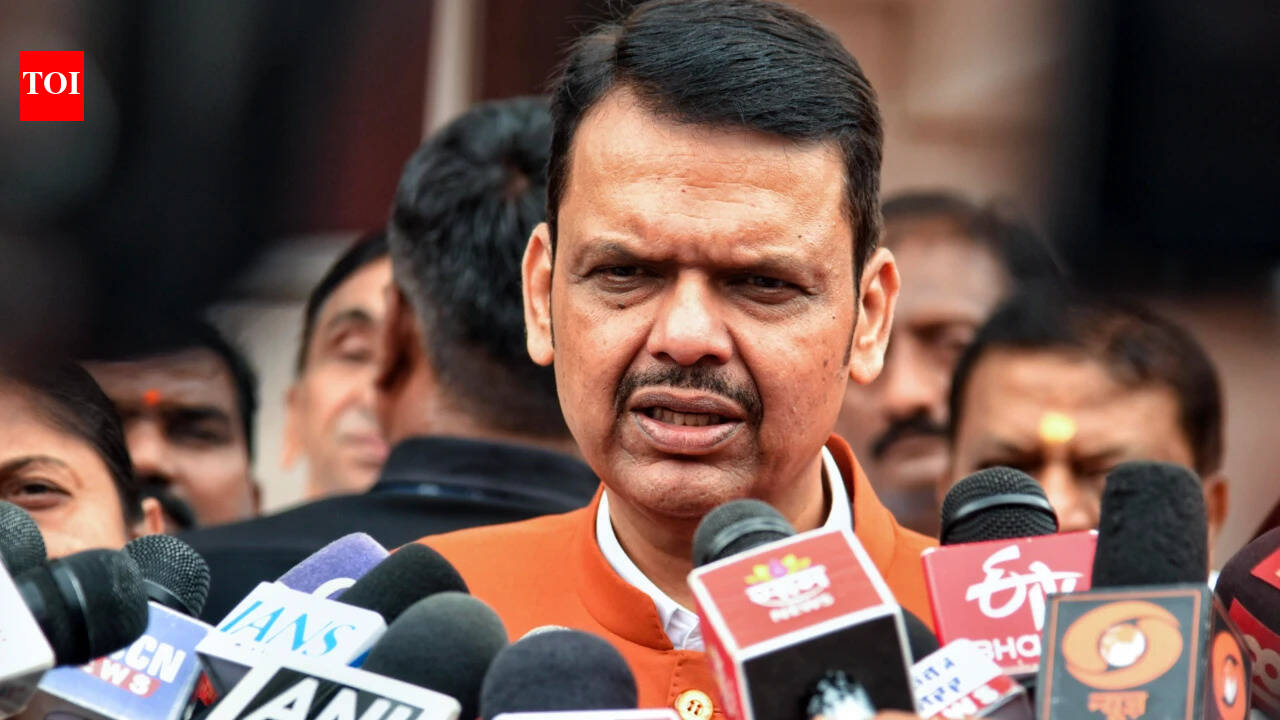
Deputy Chief Minister Devendra Fadnavis has formally addressed the Chief Justice of India regarding concerns over the power tribunal. This move highlights significant friction within the administrative and judicial oversight of India's power sector.
Overview of the Judicial-Executive Correspondence
Recent reports indicate that Deputy Chief Minister Devendra Fadnavis has initiated a formal communication with the Chief Justice of India (CJI) concerning the operations and oversight of the power tribunal. This development marks a significant intersection between state-level executive governance and the highest echelons of the Indian judiciary. By escalating concerns regarding a specialized tribunal to the CJI, the state government is signaling a desire for greater accountability and structural clarity in how power-related disputes are adjudicated.
The Context of Power Sector Disputes
The power sector in India is historically prone to complex litigation, involving power purchase agreements, regulatory tariff filings, and inter-state distribution disputes. Tribunals like the Appellate Tribunal for Electricity (APTEL) play a critical role in balancing the interests of private power producers, state-run distribution companies, and the regulatory commissions. When an official of Fadnavis's standing intervenes, it often suggests that existing mechanisms for grievance redressal are perceived as sluggish or ineffective, potentially hindering state developmental goals.
Implications for Regulatory Oversight
The intervention by the Deputy Chief Minister serves as a reminder of the delicate balance of power between the executive branch and quasi-judicial bodies. Tribunals are designed to provide specialized, technical expertise that standard courts may lack; however, their efficiency is often tethered to the appointment of members and the speed of their judicial processes. Fadnavis’s outreach to the Chief Justice implies a systemic concern that the tribunal’s current functioning may be impacting the state's energy policy implementation or fiscal responsibilities.
Historical Precedent and Administrative Friction
Historically, friction between state governments and central or quasi-judicial bodies is not uncommon, especially when significant financial stakes are involved. The power sector, being a concurrent list subject in the Indian Constitution, often sees overlapping jurisdictions. By engaging the CJI, the state is utilizing a formal channel to ensure that the judiciary is aware of the operational hurdles faced by state agencies, effectively pushing for a more robust administrative framework within the tribunal system.
Future Trends and Judicial Reform
Looking forward, this event underscores a growing trend of executive scrutiny toward specialized tribunals. As India moves toward more aggressive energy transition goals, the need for a seamless and efficient dispute resolution mechanism becomes paramount. If this intervention leads to reforms in the tribunal’s mandate or operational throughput, it could set a precedent for how other states approach judicial bottlenecks in critical infrastructure sectors. The outcome of this correspondence will likely influence how future power-sector litigation is managed at the national level.