'A delicate dance': JD Vance says economic pressure is the best way to achieve Washington's objectives in Iran
Source Entity
US Top News and Analysis
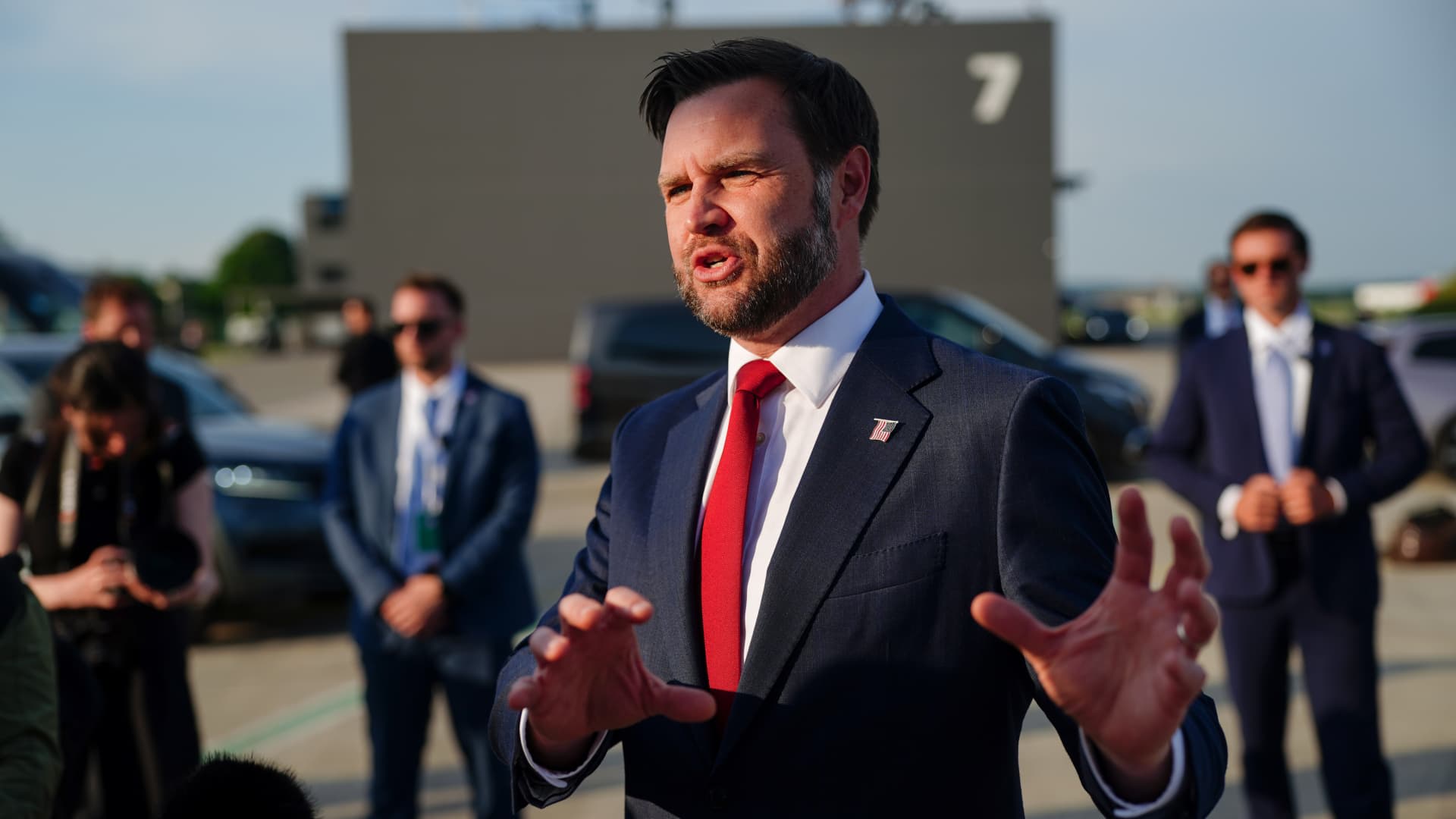
Vice President JD Vance has identified economic pressure as the primary tool for achieving U.S. objectives regarding Iran. His comments follow high-level talks in Switzerland and align with President Trump's broader strategy of aggressive financial sanctions.
The Strategy of Economic Coercion
U.S. Vice President JD Vance recently articulated the current administration's stance on foreign policy, identifying economic pressure as the most effective instrument in Washington’s toolkit for managing relations with Iran. Speaking to the media, Vance characterized the ongoing geopolitical tension as a "delicate dance," where both nations engage in reciprocal efforts to exert influence. This statement underscores a shift toward prioritizing financial statecraft over traditional diplomatic or military engagement in the current administration's approach to the Middle East.
Contextualizing the Lake Lucerne Summit
These comments arrive in the immediate aftermath of high-level discussions held in Switzerland, specifically at the Lake Lucerne Summit on June 22, 2026. The meeting, which took place at Emmen Military Air Base, serves as a critical junction for U.S.-Iran relations. By positioning economic pressure as the primary lever, the administration is signaling that the outcomes of these talks are heavily contingent upon the financial realities imposed on Tehran.
The "Crushing" Financial Doctrine
President Donald Trump has amplified this strategy by publicly declaring intentions to launch what he termed the "most crushing economic operation ever taken against any country." This rhetoric suggests that the administration is preparing to escalate financial penalties to an unprecedented level. Vance’s commentary serves to reinforce this doctrine, framing it as a calibrated response to the perceived vulnerabilities within the Iranian economic landscape.
Measuring Relative Pressure
One of the most notable aspects of Vance’s analysis is his assessment of the comparative strain between the two nations. He noted that over the past few weeks, Iran has "felt a lot more pressure than we have." This perspective provides insight into the administration's internal calculations, suggesting that they view the asymmetry of economic endurance as a strategic advantage that favors the United States in the current standoff.
Future Trends and Implications
Looking forward, the policy trajectory suggests a continued reliance on sanctions and financial isolation as the primary mechanism for achieving Washington’s objectives. If the administration continues to view the situation as a "delicate dance" where they currently hold the upper hand in terms of pressure endurance, we can expect a sustained, if not intensified, campaign of financial penalization. This approach carries significant implications for global markets and regional stability, as the efficacy of these measures will determine the future of diplomatic engagement between the two powers.
Conclusion
In summary, the administration’s strategy is clearly defined by the utilization of economic might to force policy concessions from Tehran. By grounding their approach in the belief that Iran is suffering more under the weight of current measures than the United States, Vice President Vance and President Trump are signaling a firm commitment to a "crushing" economic strategy. This ongoing "delicate dance" remains the central focus of U.S. foreign policy in the region, with the efficacy of these financial levers serving as the ultimate test of the administration's geopolitical goals.