Neera Chandhoke on what Pyaasa, Dharamputra and protest songs tell us about freedom
Source Entity
Aishwarya Khosla
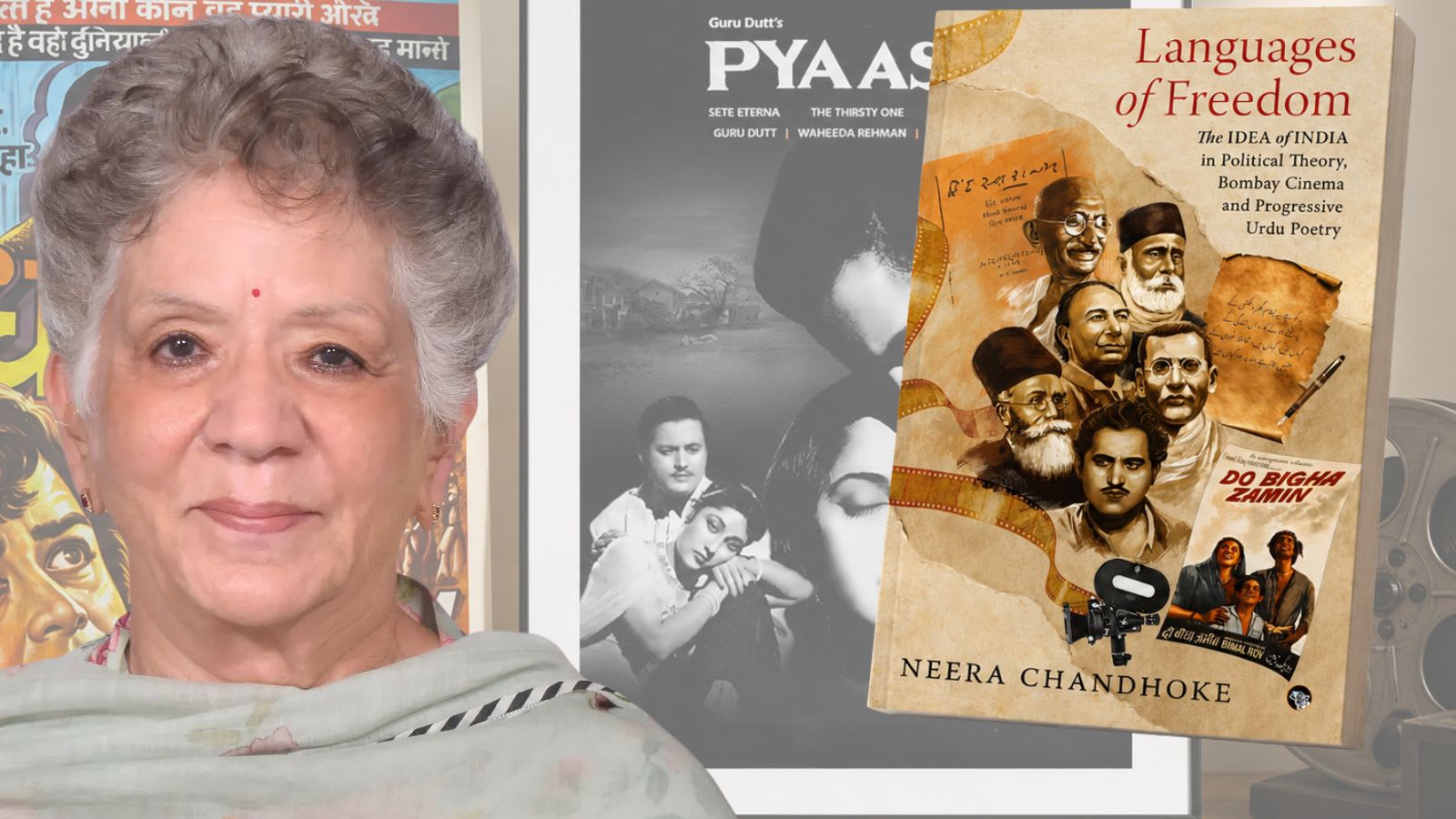
The poetry of Faiz Ahmad Faiz has emerged as a unifying anthem for diverse protest movements across India, transcending political and social divides. This cultural phenomenon reflects a historical tradition of using art and cinema to critique power and champion social justice.
The Resonance of Dissent: Faiz and the Art of Resistance
In contemporary India, the lines between disparate protest movements—ranging from striking factory workers and university teachers to students from elite institutions—have increasingly blurred. What binds these groups is not merely a shared political grievance, but a shared aesthetic of resistance: the poetry of the late Urdu poet Faiz Ahmad Faiz (1911-1984). Despite his roots in Pakistan and the specific Islamic framework of his imagery, Faiz’s verses have transcended borders to become the preferred anthem for those challenging the status quo, from anti-CAA demonstrations to protests against systemic issues like paper leaks.
Art as a Mirror to Power
The adoption of Faiz’s poetry is part of a larger, historically rooted tradition of utilizing cultural artifacts to interrogate the state. As political theorist Neera Chandhoke highlights, the medium of popular cinema has long served as a vessel for social critique. She points to Guru Dutt’s 1957 classic Pyaasa, where the protagonist’s haunting question—asking where the 'protectors of dignity' have gone—serves as a biting indictment of post-Independence disillusionment. This cinematic legacy of dissent mirrors the modern-day reliance on poetry, suggesting that when institutional channels of communication falter, the public turns to the arts to articulate collective indignation.
Transcending Boundaries and Mistrust
It is a significant sociological phenomenon that the poetry of a figure from a neighboring country, often viewed with skepticism by certain sections of Indian society, has become a cornerstone of Indian political expression. The use of Faiz’s work suggests that the language of human rights, dignity, and justice operates at a level deeper than nationalist rhetoric. By invoking Faiz, protesters are reclaiming a shared cultural heritage that prioritizes the universal struggle against oppression over the narrow confines of geopolitical hostility.
The Solidarity of the Disenfranchised
What makes this trend particularly potent is the diversity of the participants. When students from elite management and technical institutes align with less privileged peers from government-funded universities, they are effectively bridging class divides. The poetry acts as a common tongue, facilitating solidarity across socioeconomic strata. It transforms the act of protest from a localized grievance into a broader moral imperative, rooted in the timeless human desire for freedom and structural reform.
Future Trends in Cultural Resistance
The ongoing reliance on these established cultural icons signals that future social movements in India will likely continue to lean heavily on historical artistic references. As long as citizens feel that the 'protectors of dignity'—to borrow from Pyaasa—are failing in their duties, the words of poets and the imagery of classic cinema will remain the primary instruments of public discourse. This trend underscores a move toward 'languages of freedom' that are inclusive, evocative, and deeply embedded in the cultural memory of the subcontinent.
Conclusion: The Enduring Power of the Verse
Ultimately, the convergence of Faiz’s poetry and the critical tradition of Indian cinema represents a sophisticated evolution of civil society. It demonstrates that dissent is not merely an act of opposition, but an act of creation—a way to imagine a more just society by articulating the failures of the present through the beauty of the past. As these movements continue to evolve, the reliance on such powerful, time-tested cultural symbols will likely remain a hallmark of Indian democratic expression.