Collective Kindness: when families are committed to saving lives through blood donation
Source Entity
India Latest News: Top National Headlines Today & Breaking News | The Hindu
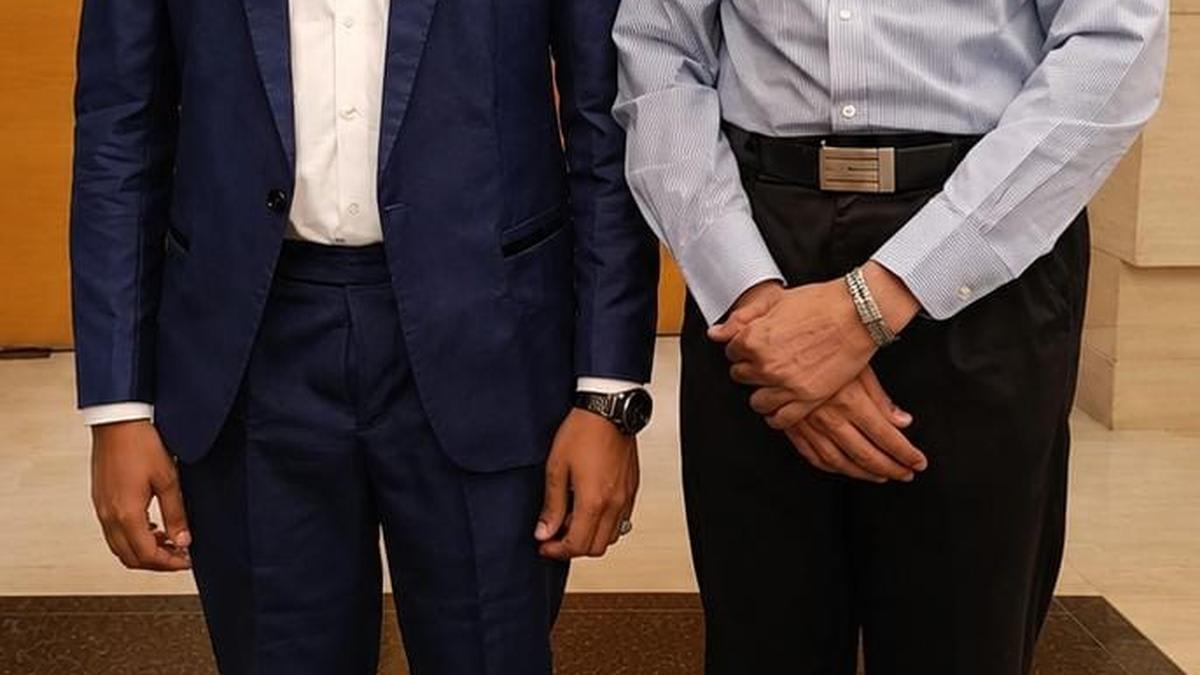
A feature story from Chennai highlights the power of family influence in blood donation, focusing on Shaikh Shamsudeen's commitment to the cause. Inspired by his father, Shamsudeen began donating rare AB Negative blood while studying at New College to support local government hospitals.
The Legacy of Altruism: Family-Driven Blood Donation in Chennai
Blood donation is often viewed as an individual act of charity, but the narrative emerging from Chennai suggests that the most sustainable model for saving lives is rooted in family traditions. The concept of "Collective Kindness" emphasizes that when parents model selfless behavior, their children are more likely to adopt these values. This generational transfer of altruism is critical in addressing the systemic shortage of voluntary blood donors, transforming the living room into a primary site of civic engagement.
The Catalyst: A Generational Influence
At the heart of this movement is the story of Shaikh Shamsudeen, a 29-year-old resident of George Town. Shamsudeen's journey as a donor was not an isolated decision but a conscious effort to follow in the footsteps of his father, Shaikh Sadaqathullah. This familial bond creates a powerful psychological incentive for young people to contribute to society. By observing his father's dedication, Shamsudeen internalized the importance of blood donation long before he was eligible to participate, illustrating how parental mentorship can effectively bridge the gap in blood bank supplies.
Institutional Support and the Role of New College
Educational institutions play a pivotal role in operationalizing these personal values. New College, where Shamsudeen studied, has fostered a robust culture of blood donation, acting as a conduit between students and healthcare providers. The college's active support for government facilities, specifically the Royapettah Government General Hospital (GH), demonstrates the importance of institutional partnerships. When an urgent request for blood reaches a classroom, the existing culture of giving ensures a rapid response, turning a campus into a vital resource for the city's emergency medical needs.
The Criticality of Rare Blood Types
One of the most poignant aspects of this account is the specific need for AB Negative blood. In the medical world, AB Negative is one of the rarest blood types, making the search for "generous veins" particularly challenging for healthcare providers. Shamsudeen's immediate response to a request for this rare type for a patient at the Cancer Institute underscores the life-saving impact of voluntary donors. For patients undergoing intensive treatments, such as those at a cancer institute, the availability of a compatible blood match is often the difference between survival and fatality.
Broader Implications for Public Health
The synergy between family values and institutional support creates a resilient public health safety net. In densely populated urban centers like Chennai, the reliance on government hospitals means that the demand for blood is constant and high. When individuals like Shamsudeen commit to regular donation, they reduce the burden on the healthcare system and decrease the reliance on replacement donation (where family members must find donors), which can be stressful and inefficient during medical crises.
Future Trends in Voluntary Donation
Looking forward, the trend of "family-centric donation" could become a blueprint for increasing blood reserves globally. By targeting the family unit rather than the individual, health organizations can create a self-sustaining cycle of donors. As more young people are inspired by their parents to donate, we can expect a shift toward a more proactive, voluntary donation culture. This shift is essential to ensure that rare blood types are always available, moving away from emergency-based appeals toward a stable, community-led supply chain.
Summary
Shaikh Shamsudeen's experience serves as a powerful testament to how familial legacy and institutional culture intersect to save lives. From the classrooms of New College to the wards of the Cancer Institute, the ripple effect of one father's kindness has evolved into a lifelong commitment to serve others, highlighting a sustainable path forward for blood donation efforts in India.
Verification Required?