Farage threatens to overhaul Lords and judges to meet his pledges
Source Entity
BBC News
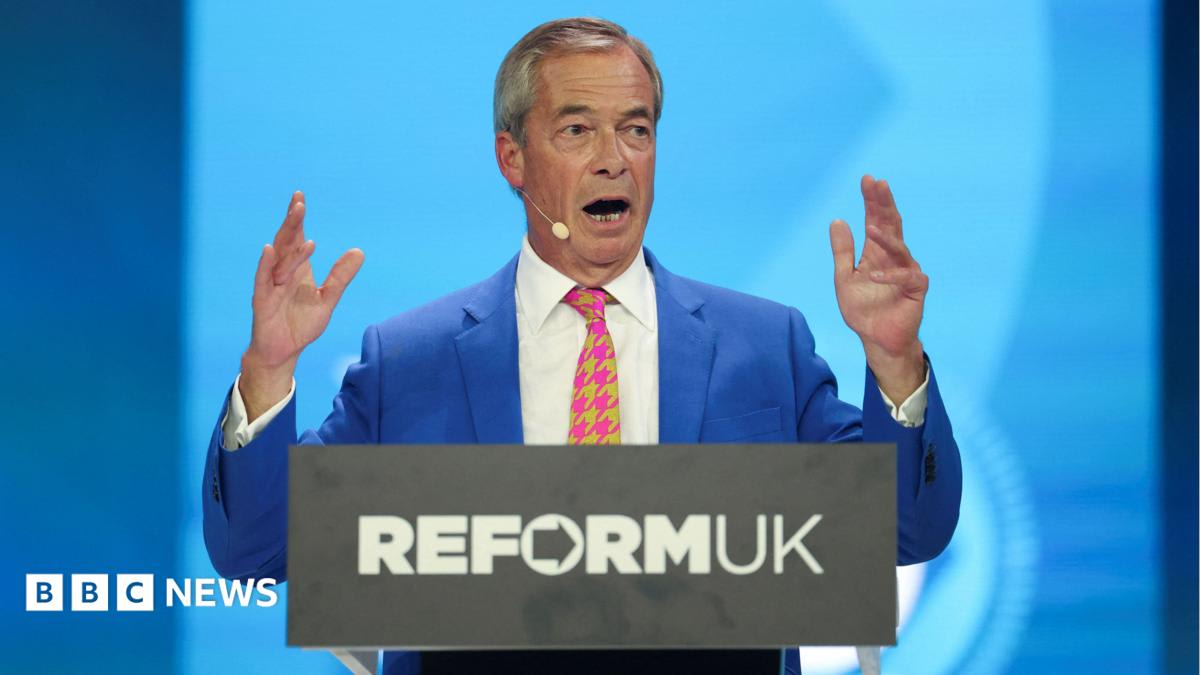
Nigel Farage has announced a proposed 'memorandum of understanding' with France's National Rally to intercept and return migrant boats. He also outlined a radical 100-day plan to overhaul government institutions and hold ministers strictly accountable if Reform UK takes power.
Farage’s Strategic Pivot: Migration and Governance Reform
Nigel Farage, the leader of Reform UK, has unveiled a bold and controversial political strategy centered on two key pillars: a transnational agreement on border control and a radical restructuring of the British government. By formalizing a 'memorandum of understanding' with the French National Rally, Farage is signaling an intent to bypass traditional diplomatic channels in favor of ideologically aligned partnerships to address the small boats crisis.
The Proposed Border Policy
The core of the migration proposal involves the United Kingdom intercepting vessels in British waters and returning them directly to France. The memorandum suggests a reciprocal framework where France would accept these individuals and facilitate their repatriation to their countries of origin. This represents a significant departure from current international norms, shifting the burden of processing and expulsion back across the Channel under a bilateral pact that Farage hopes to codify into law should both parties attain national power.
Radical Institutional Overhaul
Beyond migration, Farage’s platform promises a massive disruption of the status quo within the first 100 days of a potential administration. His rhetoric targets the perceived inefficiency of the civil service and the judiciary, suggesting that the current system is incapable of delivering on political mandates. By threatening to sack ministers who fail to meet strict performance benchmarks, Farage is championing a model of executive accountability that prioritizes rapid legislative output over traditional bureaucratic deliberation.
Declaring a National Emergency
Farage’s pledge to declare a 'national emergency' to expedite lawmaking underscores his dissatisfaction with the current pace of Parliament. By proposing that the legislature sit 24 hours a day, six days a week, he aims to force the passage of his party’s agenda through the sheer weight of legislative pressure. This approach seeks to bypass the standard scrutiny processes that typically govern the passage of major bills, framing the country’s current challenges as existential threats that require an extraordinary response.
Political Context and Criticisms
Farage’s critique extends to both the Conservative Party, which he accuses of failing over 14 years, and the current Labour administration led by Andy Burnham. By positioning Reform UK as the only party with the 'courage' to implement these sweeping changes, Farage is tapping into voter frustration with the slow pace of institutional reform. However, his proposals—particularly the overhaul of the House of Lords and the judiciary—have sparked intense debate regarding the preservation of constitutional checks and balances.
Future Implications
If these proposals were to move from political rhetoric to policy reality, they would represent the most significant constitutional shift in modern British history. The potential for a direct confrontation between the executive branch and established institutions like the judiciary suggests a period of high volatility. As Reform UK seeks to solidify its platform, the electorate will have to weigh the appeal of rapid, decisive action against the risks of dismantling long-standing governance frameworks.
Multiple Citing Sources