Farmland real estate values jumped nearly 40% since 2020 — these 2 publicly traded REITs let everyday investors buy in
Source Entity
Yahoo Finance
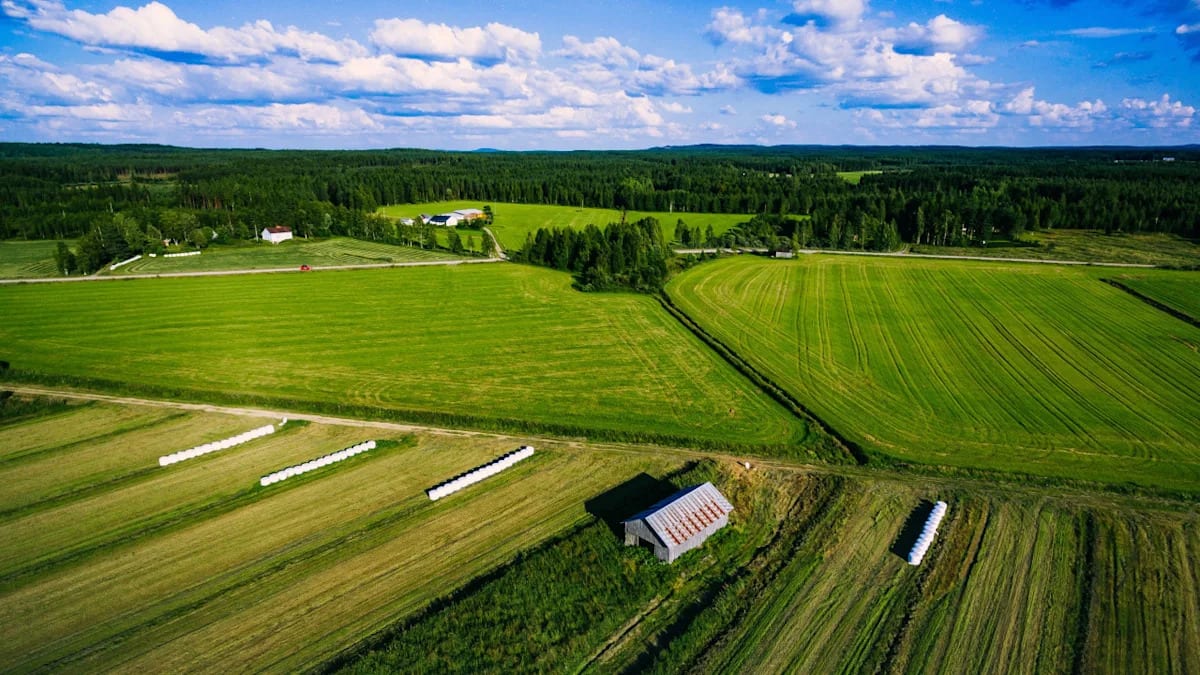
Farmland values have surged nearly 40% since 2020, reaching an average of $4,350 per acre in 2025. Investors can now gain exposure to this asset class through publicly traded REITs without needing to manage physical property.
The Surge in Agricultural Real Estate
The agricultural sector has experienced a profound shift in valuation over the past half-decade. According to recent data from the Department of Agriculture, the average value of farmland has reached $4,350 per acre as of 2025, marking a 4.3% increase over the previous year. This growth is not an isolated incident but rather the continuation of a broader trend that has seen farmland values skyrocket by nearly 40% since 2020. This consistent upward trajectory has positioned farmland as a compelling asset class for investors seeking stability in an otherwise volatile economic landscape.
The Democratization of Land Ownership
Historically, the barrier to entry for farmland investment was prohibitively high, requiring significant capital and operational expertise. However, the emergence of publicly traded Real Estate Investment Trusts (REITs) has fundamentally changed this dynamic. These financial instruments allow everyday investors to gain exposure to agricultural land without the burden of physical property management or the need for large-scale agricultural operations. This democratization of access mirrors wider trends in personal finance, where platforms are increasingly allowing retail investors to participate in asset classes previously reserved for institutional players.
Why Farmland Attracts Capital
Farmland is increasingly viewed as a 'hard asset' that offers a hedge against inflation and market volatility. The steady growth in land value, even when adjusted for inflation, suggests a robust demand for productive soil. As global food security concerns rise and land availability remains finite, the intrinsic value of agricultural acreage continues to trend upward. This makes it an attractive alternative for those looking to diversify their portfolios beyond traditional equity and bond markets.
Strategic Portfolio Diversification
Investors are increasingly looking beyond the traditional 60/40 stock-bond split. Reports indicate that younger millionaires are allocating only about 25% of their wealth into stocks, preferring to diversify into tangible assets like real estate. By integrating farmland REITs into a diversified strategy, investors can tap into the underlying growth of the agricultural economy. This shift reflects a broader skepticism toward purely digital or paper-based assets and a renewed interest in land as a store of value.
Future Trends and Market Outlook
Looking ahead, the integration of technology and financial accessibility will likely keep farmland in the spotlight. As more platforms simplify the investment process, the influx of retail capital into the agricultural sector is expected to persist. While the 4.3% year-over-year growth represents a normalization compared to the rapid spikes seen earlier in the decade, the long-term outlook for farmland remains positive. Investors should continue to monitor USDA data and REIT performance to gauge whether this sector remains a viable component of a balanced, long-term wealth-building strategy.