56-year-old fast-food giant has closed over half its restaurants
Source Entity
Yahoo Finance
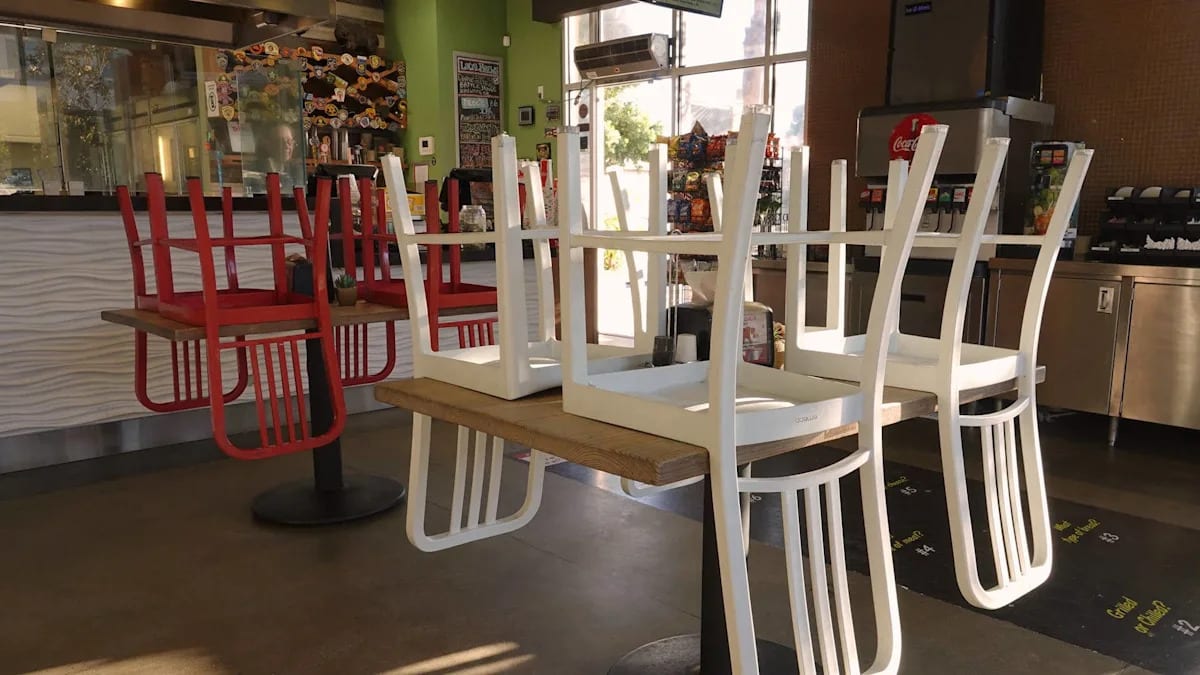
A 56-year-old fast-food chain has shuttered over half its locations due to the financial strain of rising commodity costs. The brand's inability to pivot away from a single, high-cost protein source highlights the risks of a narrow business model in a volatile market.
The Fragility of Niche Dining Models
In a challenging economic climate, a 56-year-old fast-food institution has recently faced a catastrophic contraction, closing more than half of its total restaurant footprint. This significant downsizing serves as a stark case study in the risks associated with rigid menu architecture. While diversified casual dining chains like Chili's or Applebee's maintain the agility to shift customer demand toward more affordable proteins—such as pivoting to chicken specials when beef prices spike—highly specialized chains lack this strategic flexibility.
The 'Single-Protein' Trap
The fundamental issue facing this unnamed chain is the constraint of its brand identity. When a restaurant centers its entire value proposition around one specific protein, it becomes inherently susceptible to commodity market volatility. Historical precedents, such as the 2021 wing price surge that forced chains like WingStop to introduce chicken thighs to maintain margins, demonstrate that survival often requires a departure from core marketing promises. However, for brands whose identity is inextricably linked to one product, such a pivot can alienate the customer base.
Consumer Expectations vs. Cost Reality
Market analysis indicates that consumer behavior is driven by specific expectations. When diners visit a venue known for a signature dish, they are often resistant to alternatives. This phenomenon has recently devastated various Texas BBQ establishments, where customers demand brisket regardless of the escalating cost of beef. When a restaurant's supply chain costs rise, but the menu is too narrow to support price hikes or alternative proteins, the business model inevitably begins to fail.
Strategic Inflexibility in the Modern Market
This trend underscores a broader lesson in the hospitality industry: the more specific the offering, the more difficult the pivot. Seafood chains, for example, struggle to transition into selling beef or chicken, as their operational infrastructure and brand equity are tied to a specialized supply chain. The closure of over 50% of this 56-year-old chain's locations highlights that brand loyalty is not enough to insulate a business against persistent, high-level inflation in raw ingredient costs.
Future Outlook for Specialized Chains
Looking ahead, the restaurant sector will likely see a move toward 'menu resilience.' Brands that rely on a single, volatile commodity will face increasing pressure to either diversify their offerings or improve their supply chain hedging strategies. As this 56-year-old chain continues to navigate its downsizing, it remains a cautionary tale for the industry regarding the dangers of extreme specialization in a, historically, unpredictable food economy.