FCC approves SpaceX plan to put AI data centers in space
Source Entity
Kirsten Korosec
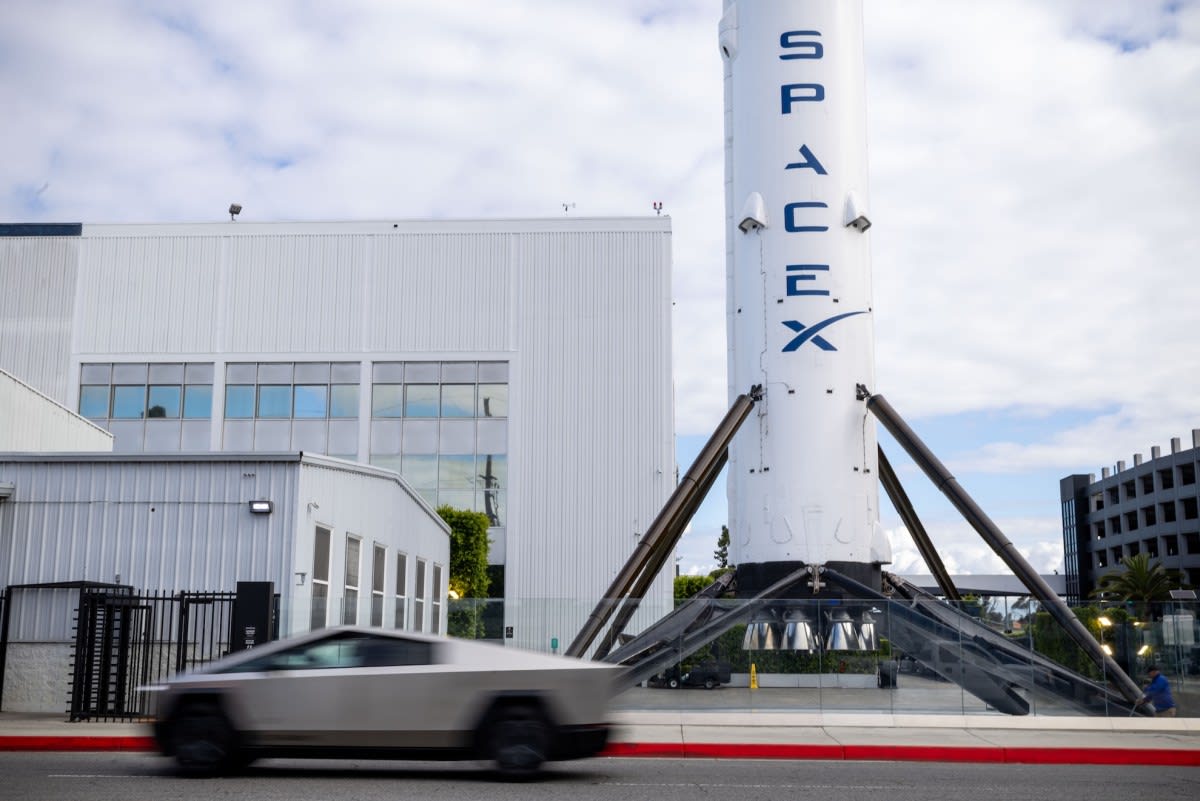
The FCC has granted SpaceX authorization to deploy up to 1 million 'Starmind' satellites to function as orbital AI data centers. This massive infrastructure project aims to meet the surging global demand for artificial intelligence computing power.
The Dawn of Orbital Computing: SpaceX’s Starmind Initiative
In a landmark regulatory decision, the United States Federal Communications Commission (FCC) has officially authorized SpaceX to deploy a massive constellation of up to 1 million satellites, branded as "Starmind." This initiative represents a paradigm shift in global computing infrastructure, moving beyond terrestrial server farms to harness the vacuum of space for processing the intensive data loads required by modern artificial intelligence.
A Historic Expansion of Orbital Infrastructure
The scale of this authorization is unprecedented, effectively increasing the current number of satellites in orbit by approximately 50-fold. By integrating AI-specific chip technology directly into these satellites, SpaceX aims to create a distributed, orbital data processing network. This move is framed by FCC Chairman Brendan Carr as a strategic effort to secure American leadership in the burgeoning AI sector, positioning space-based assets as a critical component of the national technological landscape.
Addressing the AI Computing Crisis
The global demand for AI computing power is currently outstripping the capacity of traditional, land-based data centers, which are often constrained by energy grid limitations, cooling requirements, and physical space. By shifting computational tasks to orbit, SpaceX seeks to create a new tier of infrastructure that operates independently of localized terrestrial bottlenecks. The Starmind constellation is explicitly designed to handle high-velocity data processing, providing the necessary bandwidth and compute power to fuel the next generation of AI applications.
Competitive Pressures and Regulatory Oversight
While SpaceX is the first to receive this authorization, the race for orbital computing is heating up. Other industry giants, including Google and Blue Origin, are also exploring the viability of space-based data processing. The FCC's decision acts as the inaugural regulatory framework for this new industry, setting specific timelines for deployment. SpaceX is required to launch at least one satellite by 2033 and reach the full 1-million-unit milestone by 2040, ensuring a measured, long-term rollout of this ambitious infrastructure.
Broader Economic and Geopolitical Implications
Beyond the technical achievements, the Starmind project carries significant geopolitical weight. As nations compete for dominance in artificial intelligence, the ability to maintain a robust, secure, and high-performance computing network in space provides a distinct strategic advantage. The FCC’s decision to prioritize this technology underscores a belief that space-based infrastructure will be essential for future economic growth, investment, and maintaining technological sovereignty in an increasingly digital world.
Future Trends and Sustainability
Looking ahead, the deployment of 1 million satellites will necessitate advanced orbital traffic management and debris mitigation strategies. As the industry advances toward 2040, the integration of AI into these satellites will likely evolve, potentially enabling autonomous satellite maintenance and real-time data optimization. This development marks the beginning of a transformative era where the boundary between space exploration and global data utility becomes increasingly blurred, setting the stage for a new frontier in the digital age.