Cockroaches, expired food: FDA suspends licences of Blinkit, Zepto, Instamart hubs
Source Entity
TOI NEWS DESK
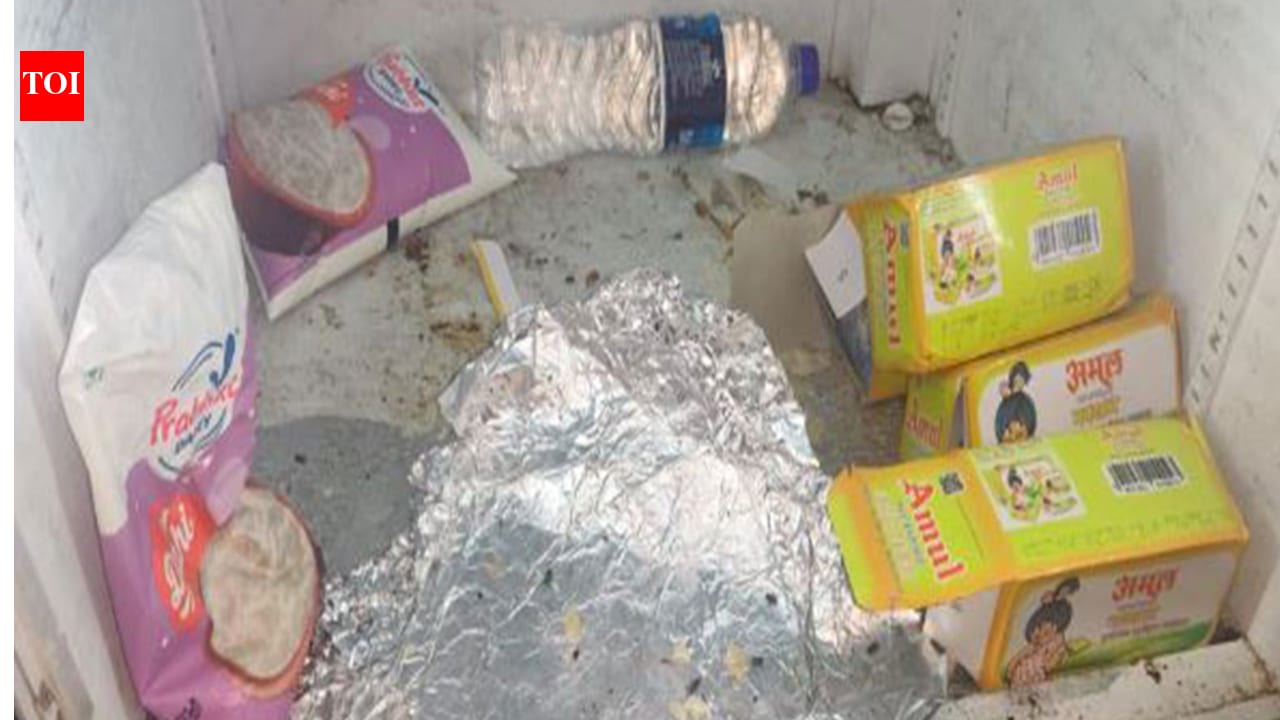
The Maharashtra FDA has suspended the licenses of 14 quick-commerce hubs operated by Blinkit, Zepto, and Instamart due to severe hygiene violations. Inspections revealed pest infestations and expired food, leading to 60 improvement notices across 86 facilities.
Regulatory Crackdown on Quick-Commerce Giants
The Maharashtra Food and Drug Administration (FDA) has taken significant enforcement action against the burgeoning quick-commerce sector, suspending the licenses of 14 food storage and delivery hubs associated with major platforms Blinkit, Zepto, and Instamart. This intervention follows a comprehensive statewide inspection drive conducted on August 13, which scrutinized 86 facilities across the state to assess adherence to food safety and hygiene protocols.
Uncovering Systemic Hygiene Failures
During these inspections, authorities uncovered a troubling array of violations that compromise consumer safety. Findings included evidence of cockroach infestations, the presence of expired food products, and inadequate storage and temperature control practices. These lapses suggest a significant breakdown in the supply chain management of these platforms, which promise rapid delivery but are now under scrutiny for failing to maintain the basic sanitary conditions required for food handling.
The Scale of Enforcement
Beyond the 14 immediate license suspensions, the FDA issued 60 improvement notices to various establishments. This indicates that the problems identified were not isolated incidents but rather a systemic issue across a significant portion of the inspected network. The notices serve as a formal directive for these companies to rectify their operational deficiencies, ranging from poor pest management to improper food preservation techniques, before they can be deemed fit to serve the public.
Broader Implications for the Gig Economy
The rapid growth of quick-commerce, which relies on "dark stores" or micro-warehousing located in high-density urban areas, has often outpaced regulatory oversight. This incident highlights the inherent tension between the demand for hyper-fast delivery and the necessity of maintaining stringent food safety standards. As these companies scale, the challenge of maintaining hygienic storage conditions in high-turnover facilities becomes increasingly complex, necessitating more robust internal audits.
Future Trends and Compliance Requirements
Moving forward, the quick-commerce industry is likely to face intensified scrutiny from regulatory bodies across India. The Maharashtra FDA’s decisive action sets a precedent that convenience cannot come at the cost of public health. To regain trust and maintain operations, these platforms will likely need to invest in standardized cold-chain technology, automated pest control solutions, and more rigorous third-party safety audits to ensure that their "dark stores" meet the legal requirements for food businesses.
Conclusion
The suspension of these licenses serves as a stark warning to the e-commerce sector that rapid expansion does not exempt them from public health mandates. By issuing these notices and suspensions, the FDA has prioritized consumer safety, forcing a necessary recalibration of how quick-commerce companies handle and store the goods they deliver to millions of households daily.