A panicking Fed is just what the bond market needs, says Bank of America’s chief strategist
Source Entity
Jules Rimmer
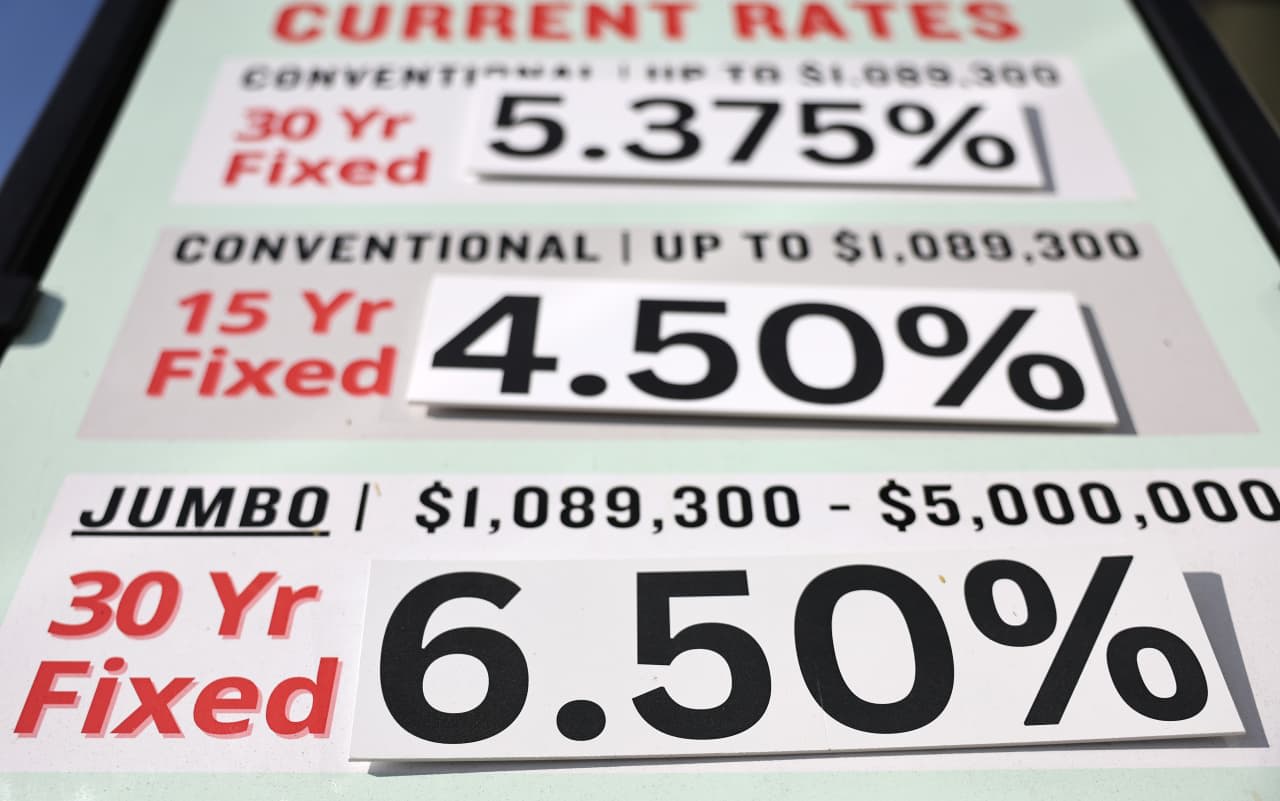
Bank of America strategist Michael Hartnett suggests that new Fed Chair Kevin Warsh should implement interest rate hikes. This move is intended to stabilize and reassure the long end of the U.S. Treasury bond market.
The Strategic Outlook on Fed Leadership and Bond Markets
The Call for Immediate Action
Bank of America’s chief investment strategist, Michael Hartnett, has recently signaled a critical perspective on the transition in leadership at the Federal Reserve. With Kevin Warsh stepping into the role of Fed Chairman, Hartnett suggests that the market is primed for a proactive stance. Specifically, the strategist argues that a series of interest rate hikes is necessary to restore confidence within the financial ecosystem, particularly concerning the long end of the U.S. Treasury curve.
Understanding the Treasury Curve Dynamics
The long end of the Treasury curve—referring to long-term government bonds—serves as a barometer for investor sentiment regarding inflation and future economic growth. When investors lose confidence in the central bank's commitment to price stability, long-term yields can fluctuate wildly, creating volatility. Hartnett’s assessment posits that the market currently views the Fed as potentially 'panicking' or lacking a clear anchor, and that a decisive, hawkish move by Chairman Warsh could serve as the necessary catalyst to soothe these anxieties.
The Role of Credibility in Monetary Policy
In the realm of central banking, credibility is the most valuable currency. By suggesting that a hike is required to 'reassure' the market, Hartnett is highlighting the delicate balance between managing economic growth and maintaining the integrity of debt markets. If the Fed is perceived as falling behind the curve, bondholders often demand higher premiums, which can inadvertently tighten financial conditions in ways the Fed does not intend. A swift, policy-driven intervention by Warsh could effectively reset expectations.
Implications for Global Financial Stability
The bond market is the bedrock of the global financial system, influencing everything from mortgage rates to corporate borrowing costs. If the long end of the Treasury curve remains unsettled, it creates a ripple effect that can destabilize equity markets and credit environments. Hartnett’s emphasis on the Fed’s need to act reflects a broader market desire for clarity and predictability, traits that are often tested during leadership transitions at the helm of the world's most powerful central bank.
Future Trends and Market Sentiment
Looking ahead, the effectiveness of this proposed strategy rests on how the market interprets the 'panicking' sentiment mentioned by Hartnett. If the Fed acts in a way that suggests it is reacting to market pressure rather than economic data, it might trigger further volatility. However, if Chairman Warsh frames these potential hikes as a strategic move toward long-term stability, it could lead to a more disciplined and confident bond market. Investors will be watching the upcoming Federal Open Market Committee meetings closely to see if Warsh adopts this suggested path of monetary tightening.
Conclusion: A Pivotal Moment
In summary, the transition of Kevin Warsh to the role of Fed Chairman brings with it a set of unique expectations from major financial institutions. Michael Hartnett’s analysis provides a clear roadmap of what the bond market expects: a decisive policy response to stabilize the yield curve. Whether the Fed chooses to follow this path of aggressive reassurance or opts for a more measured approach will define the early stages of the Warsh tenure and influence the trajectory of U.S. fiscal health for the remainder of the cycle.
Verification Required?