Fed's Goolsbee calls inflation report 'borderline disturbing' as central bank weighs more hikes
Source Entity
US Top News and Analysis
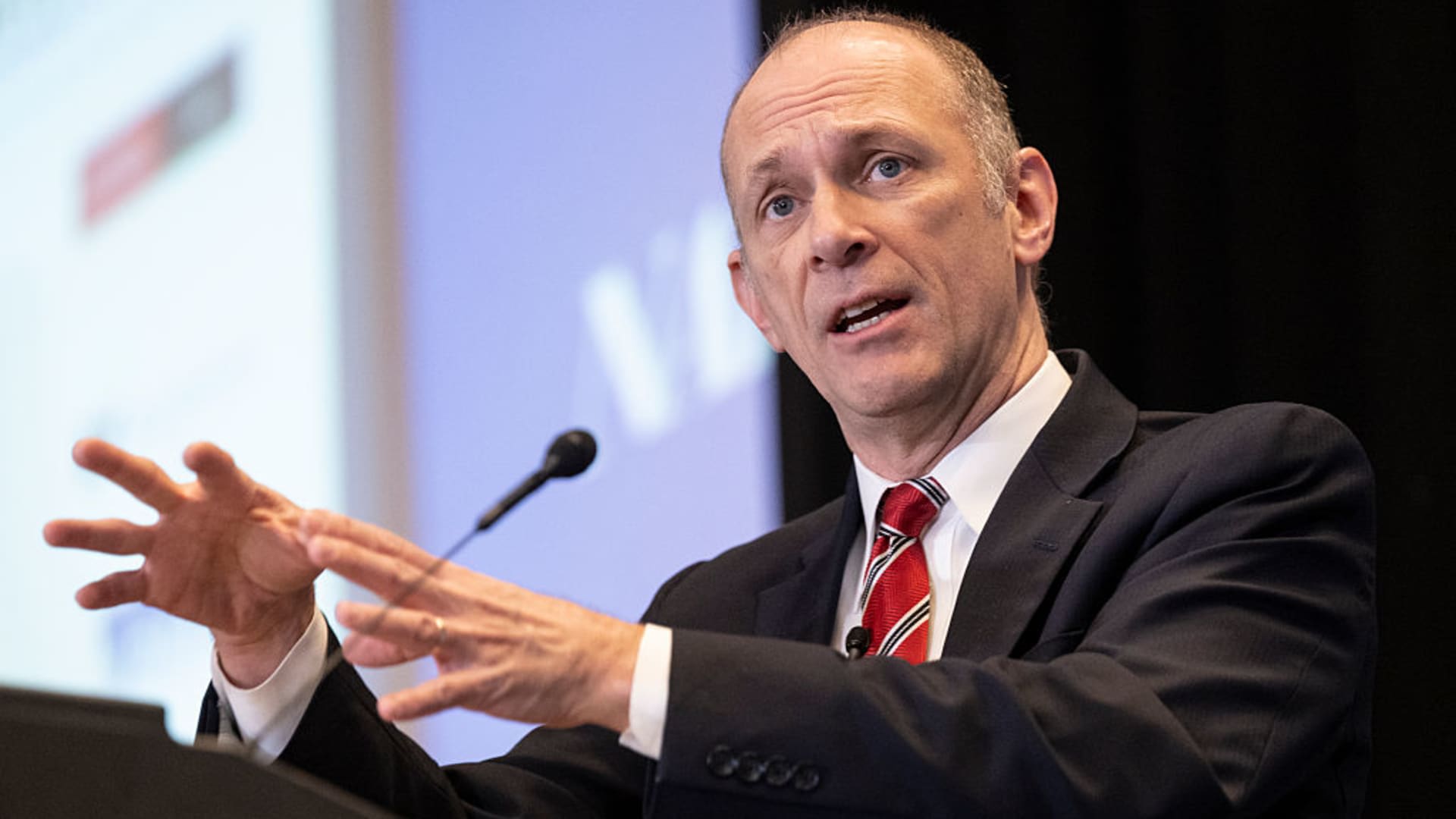
Federal Reserve official Austan Goolsbee expressed concern over rising inflation after October's CPI exceeded expectations. Persistent service-sector inflation and trade-related pressures are complicating the Fed's path toward interest rate adjustments.
Federal Reserve Faces Renewed Inflationary Pressures
Recent data from the Bureau of Labor Statistics has sent ripples through the financial sector, as the Consumer Price Index (CPI) climbed by 0.4% in October on a seasonally adjusted basis. This figure, which exceeded the consensus forecasts of economists, has reignited debates regarding the Federal Reserve’s monetary policy trajectory. Austan Goolsbee, President and CEO of the Federal Reserve Bank of Chicago, characterized the report as "borderline disturbing," underscoring the growing anxiety within the central bank’s leadership regarding the stickiness of current inflationary trends.
The Human and Economic Cost of Inflation
Beyond the raw statistics, Goolsbee emphasized that the burden of elevated prices is pervasive. In his address at the 42nd annual National Association for Business Economics Economic Policy Conference, he noted that inflation remains a primary concern for business leaders, nonprofit organizations, and, perhaps most importantly, ordinary consumers. This widespread sentiment suggests that the psychological impact of inflation is becoming deeply entrenched, potentially influencing long-term spending habits and wage expectations across the economy.
The Persistence of Service-Sector Inflation
One of the most critical factors identified by Goolsbee is the persistent rise in service-sector costs. Historically, service inflation has proven more difficult to mitigate than goods inflation because it is often tied to labor costs and consumer demand patterns that do not react as quickly to interest rate changes. The fact that these prices remain high despite previous efforts to tighten monetary policy suggests that the "last mile" of bringing inflation down to the Fed’s target remains a significant hurdle for policymakers.
Tariffs and Global Trade Factors
Adding to the complexity of the current economic landscape, Goolsbee highlighted the role of tariffs in keeping prices elevated. While many economists had hoped that the inflationary impacts of trade barriers would dissipate over time, Goolsbee admitted that he has not observed this decline. The persistence of these trade-related price drivers suggests that external geopolitical and policy-driven variables are exerting upward pressure on the CPI, complicating the Federal Reserve's ability to rely solely on domestic interest rate adjustments to manage the economy.
Looking Ahead: The Policy Dilemma
As the Federal Reserve weighs the necessity of further interest rate hikes, the October data serves as a stark reminder of the volatility inherent in the current economic recovery. The central bank is now faced with a difficult balancing act: maintaining enough pressure to quell inflation without triggering a sharp economic contraction. Future trends will likely depend on whether service-sector demand cools and how the administration navigates the complex landscape of international trade policy, which continues to influence the cost of goods for the average American household.