Fed interest rate decision today: Why Kevin Warsh's silence has made the Federal Reserve meeting highly uncertain
Source Entity
Latest News: Todays Latest News Headlines from India & World | Hindustan Times | Hindustan Times
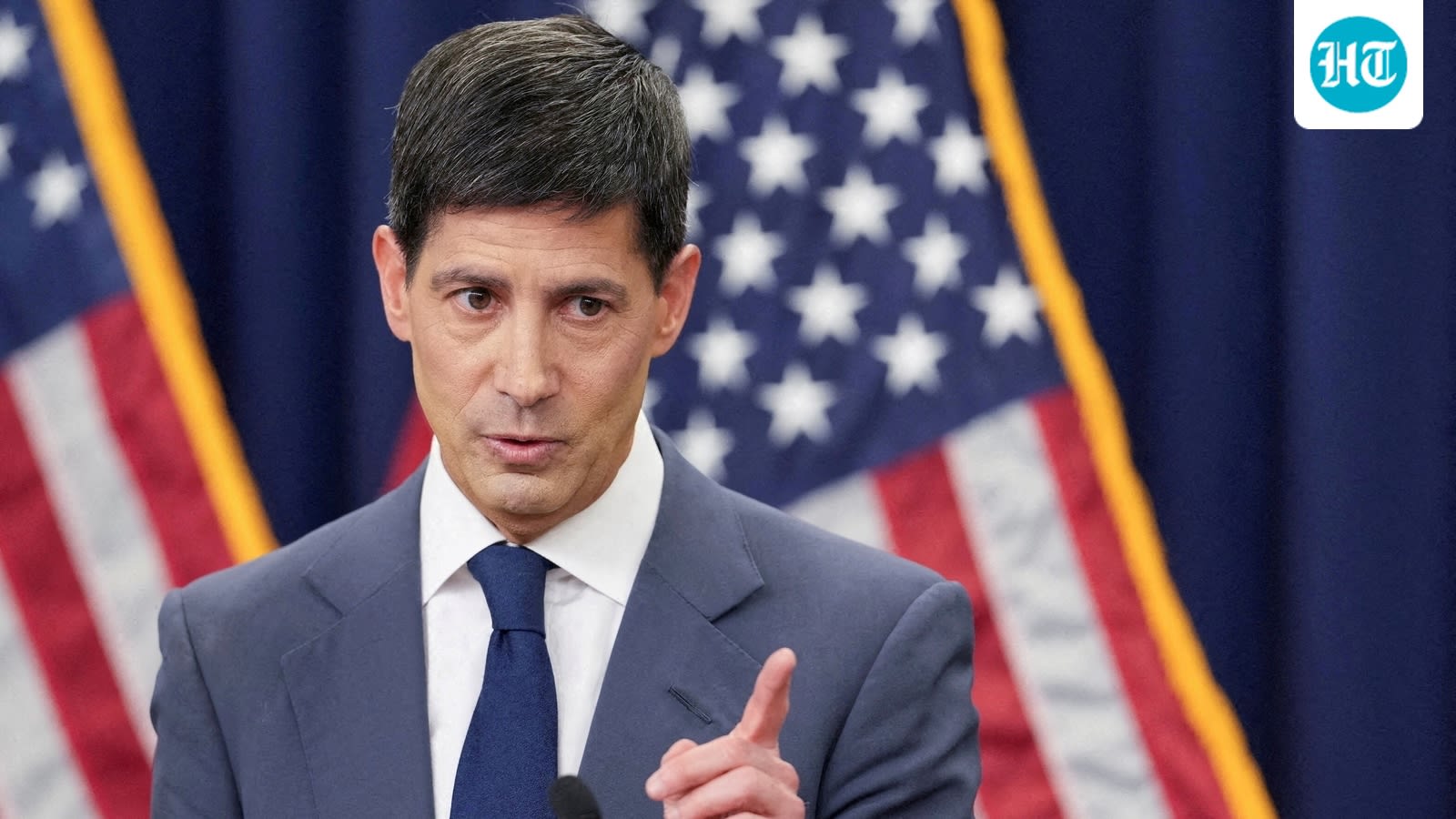
Federal Reserve Chair Kevin Warsh's shift toward reduced market guidance has created significant uncertainty ahead of the upcoming interest rate decision. Investors remain divided between a rate hold and a hike due to persistent inflationary pressures from energy costs and geopolitical tensions.
The Era of Fed Opacity: Understanding the Current Uncertainty
The financial world is currently fixated on the Federal Reserve’s upcoming policy decision, as market participants grapple with an unprecedented lack of forward guidance. Since assuming the role of Fed Chair in May, Kevin Warsh has intentionally moved away from the tradition of providing clear signals to the markets regarding future rate paths. This strategic shift has transformed a standard policy meeting into one of the most closely watched events in recent months, leaving investors and economists to guess the committee's next move.
The Warsh Doctrine: Less Communication, More Flexibility
Unlike his predecessors who prioritized transparency to stabilize market expectations, Chairman Warsh is actively reforming the institution to return to an era of limited communication. By withholding specific guidance before meetings, Warsh aims to decouple the Federal Open Market Committee (FOMC) from the reactive nature of Wall Street. However, this approach has introduced a heightened level of volatility, as traders—who rely on federal funds futures to price assets—are forced to operate in a climate of ambiguity, viewing the upcoming decision as a near coin toss.
Economic Pressures and Inflationary Headwinds
While the June Consumer Price Index (CPI) report provided a momentary glimmer of hope for cooling inflation, the economic landscape remains fragile. Analysts, such as Collin Martin of Schwab, point out that rising energy prices threaten to reverse these gains, potentially pushing inflation numbers back up in the July readings. This persistent inflationary pressure is the primary driver behind the debate over whether the Fed will maintain current rates or implement a surprise hike to quell rising costs.
Geopolitical and Structural Complications
Adding to the complexity are external shocks that complicate the Fed's dual mandate. Tensions stemming from the war in Iran have introduced significant uncertainty into the global energy market, directly impacting the inflationary outlook. Furthermore, structural issues such as AI-related supply chain bottlenecks are creating new, unpredictable pressures on the economy. These factors have forced bond traders to adjust their expectations, with recent data from the CME Group's FedWatch showing a 64.2% probability of a rate hold against a 35.8% chance of a surprise increase.
Implications for Consumers and Investors
For the average American, the Fed's decision holds immediate consequences. Interest rates influence the cost of borrowing for mortgages, auto loans, and credit cards, while simultaneously dictating the returns on savings accounts and investment portfolios. A decision to hike rates could further tighten credit conditions, potentially slowing consumer spending, while a pause might offer a temporary reprieve for borrowers but risks allowing inflation to become entrenched if the economy remains too resilient.
Conclusion: A High-Stakes Balancing Act
As the FOMC concludes its two-day meeting, the eyes of the global financial system remain locked on the 2:00 p.m. ET announcement. Whether the Fed chooses to hold or hike, the decision will be viewed less as a response to data and more as a test of the new Chairman's philosophy. Regardless of the outcome, the current period of opacity suggests that market participants must prepare for a more unpredictable relationship with the central bank in the coming months.
Verification Required?