Odds of Federal Reserve rate hike surge as oil prices rip higher
Source Entity
US Top News and Analysis
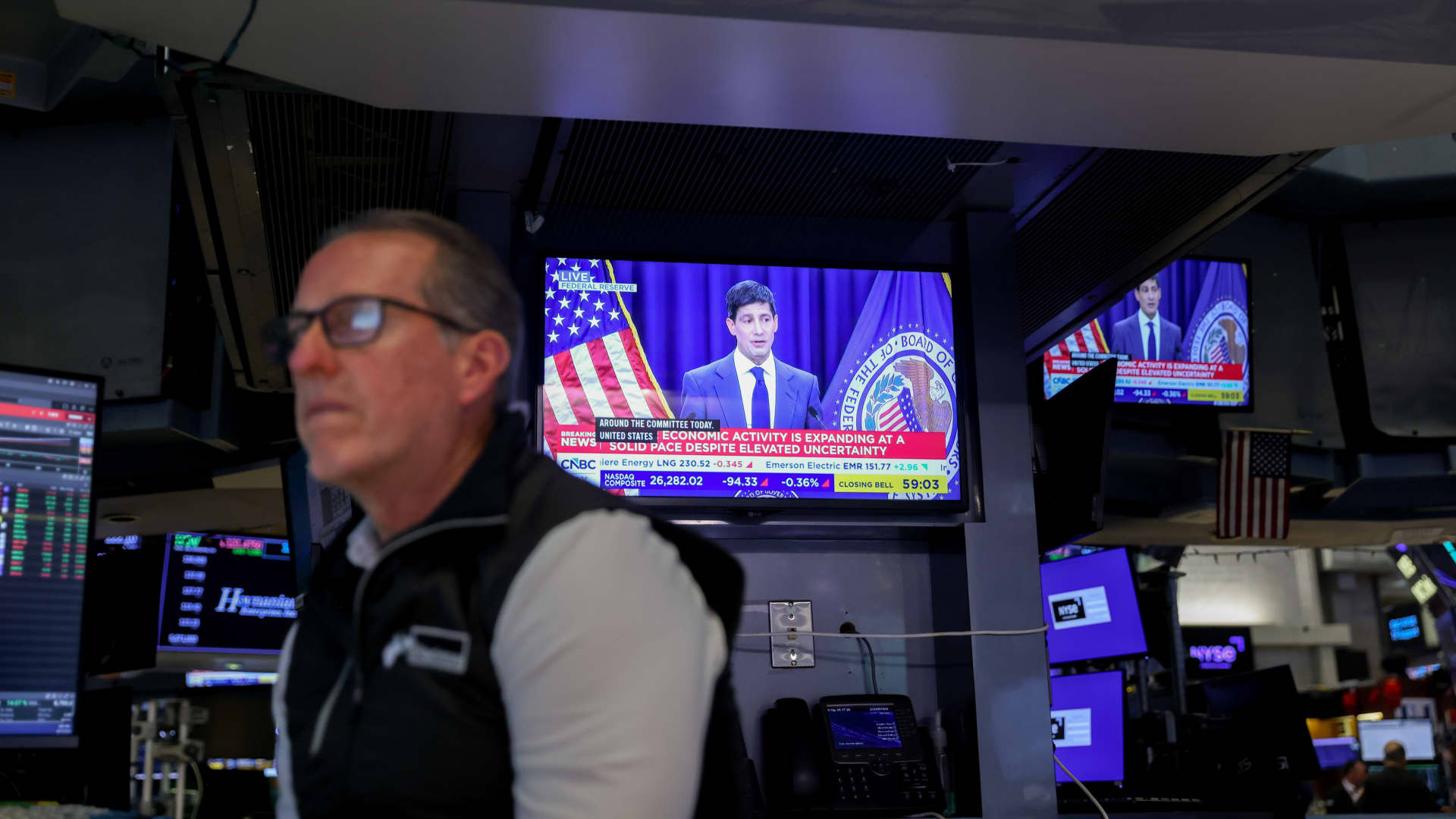
Surging oil prices have driven market expectations for a Federal Reserve interest rate hike in September to 82%. Investors are recalibrating their portfolios as inflation concerns mount due to rising energy costs.
The Energy-Inflation Nexus and Fed Policy
Recent market data indicates a significant shift in investor sentiment regarding the trajectory of the Federal Reserve’s monetary policy. As oil prices continue to experience a sharp upward trend, the financial markets are rapidly adjusting their expectations for future interest rate adjustments. The core concern driving this volatility is the direct correlation between energy costs and inflationary pressure, which forces the Federal Open Market Committee (FOMC) to weigh the necessity of tighter fiscal conditions to maintain price stability.
Analyzing Market Expectations
According to data from the CME’s FedWatch tool, the probability of a rate hike at the September policy meeting has surged to approximately 82%. This represents a dramatic escalation from the sub-53% probability recorded just one week prior. Such a rapid shift in market positioning reflects a growing consensus among institutional investors that the central bank will be compelled to act if energy-driven inflation proves to be more than a transitory phenomenon.
The Current Policy Landscape
Despite the aggressive outlook for September, the current consensus remains that the Federal Reserve will hold interest rates steady within the 3.50% to 3.75% range during the upcoming gathering. This suggests that while the central bank is cognizant of the inflationary risks posed by rising oil prices, it prefers to maintain a wait-and-see approach to ensure that economic indicators justify a shift in stance. However, the emergence of a 38% probability for a hike as early as the next meeting signals that the market is beginning to price in a more hawkish contingency.
Broader Economic Implications
Rising oil prices act as a tax on both consumers and businesses, effectively draining disposable income and increasing operational costs across supply chains. When energy costs spike, the Federal Reserve faces a delicate balancing act. If they refrain from raising rates, they risk allowing inflation to become entrenched; if they raise rates too aggressively, they risk cooling the economy prematurely. The current market pricing suggests that investors are increasingly prioritizing the containment of inflation over the risks of a growth slowdown.
Future Trends and Market Outlook
The trajectory of the Fed's policy will likely remain tethered to energy market volatility in the coming months. If oil prices continue to exhibit upward momentum, the pressure on the Fed to utilize interest rate adjustments as a primary tool to dampen demand will only intensify. Market participants should prepare for continued volatility as the FOMC balances its dual mandate of maximum employment and stable prices against the unpredictable nature of global energy markets.