Fed’s Waller puts half-point rate hike into the mix for December
Source Entity
Steve Goldstein
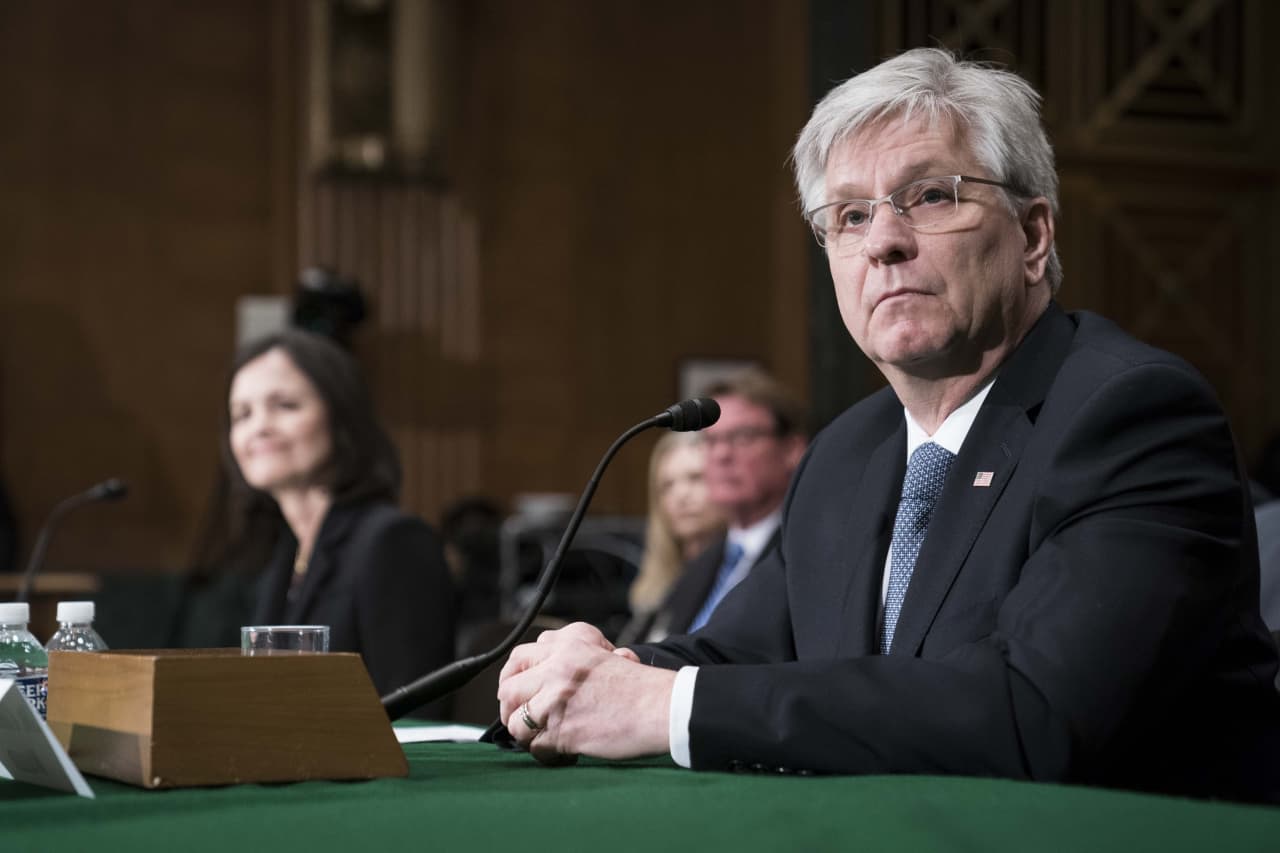
Federal Reserve Governor Christopher Waller has signaled support for a potential 50-basis-point rate hike in December. This shift follows an October CPI report showing a 0.4% rise in consumer prices, exceeding economist expectations.
The Fed's Hawkish Pivot: Assessing the December Outlook
Federal Reserve Governor Christopher Waller has brought a significant degree of volatility to monetary policy expectations by suggesting that a half-percentage-point interest rate hike may be necessary in December. Speaking in London, Waller emphasized that the central bank must prioritize its credibility, indicating a preference for continued tightening even if upcoming economic data provides mixed signals. This stance marks a potentially aggressive shift in the Federal Reserve's strategy to combat persistent inflationary pressures.
The Impact of October Inflation Data
The urgency behind Waller's comments is rooted in recent Bureau of Labor Statistics data, which revealed that consumer prices rose by 0.4% in October. This figure surpassed the 0.3% increase anticipated by economists surveyed by Dow Jones. Furthermore, core CPI—which excludes the volatile food and energy sectors—also outpaced forecasts, rising 0.3% against an expected 0.2%. These figures serve as a stark reminder that inflation remains stubbornly entrenched within the U.S. economy, complicating the Federal Reserve's path toward normalization.
Maintaining Institutional Credibility
A core tenet of Waller’s argument is the protection of the Federal Reserve's institutional credibility. By suggesting that he is "leaning toward" a rate increase in December regardless of whether October inflation data softens, Waller is signaling that the central bank is prepared to maintain a hawkish posture to anchor inflation expectations. He explicitly noted that if inflation data comes in higher than current forecasts, he would advocate for "more robust action," specifically a 50-basis-point hike, to ensure the market understands the Fed's commitment to its mandate.
Navigating Data Uncertainty
The current economic landscape is further complicated by historical data gaps, such as those caused by previous government shutdowns that hindered the Bureau of Labor Statistics' ability to collect comprehensive information. This lack of granular historical context makes current monthly readings like the 0.4% CPI increase even more critical for policymakers. Because the Fed relies heavily on these indicators to adjust interest rates, any deviation from expectations—as seen in the October report—forces a rapid reassessment of the target rate trajectory.
Future Trends and Market Implications
Looking forward, the Federal Reserve faces a delicate balancing act. The combination of higher-than-expected price indices and the potential for a 50-basis-point hike suggests that the era of "easy money" is firmly in the rearview mirror. If the Fed proceeds with a larger-than-usual increase in December, it will likely signal to financial markets that the central bank is willing to risk a slowdown in economic growth to suppress price volatility. Investors and businesses should prepare for continued uncertainty as the Fed remains data-dependent, with future policy decisions hinges on every subsequent inflation report.
Multiple Citing Sources
Verification Required?