Putin’s men inside NATO? Fico & Radev slam West’s Ukraine war strategy, warn against Russia conflict
Source Entity
Latest News: Todays Latest News Headlines from India & World | Hindustan Times | Hindustan Times
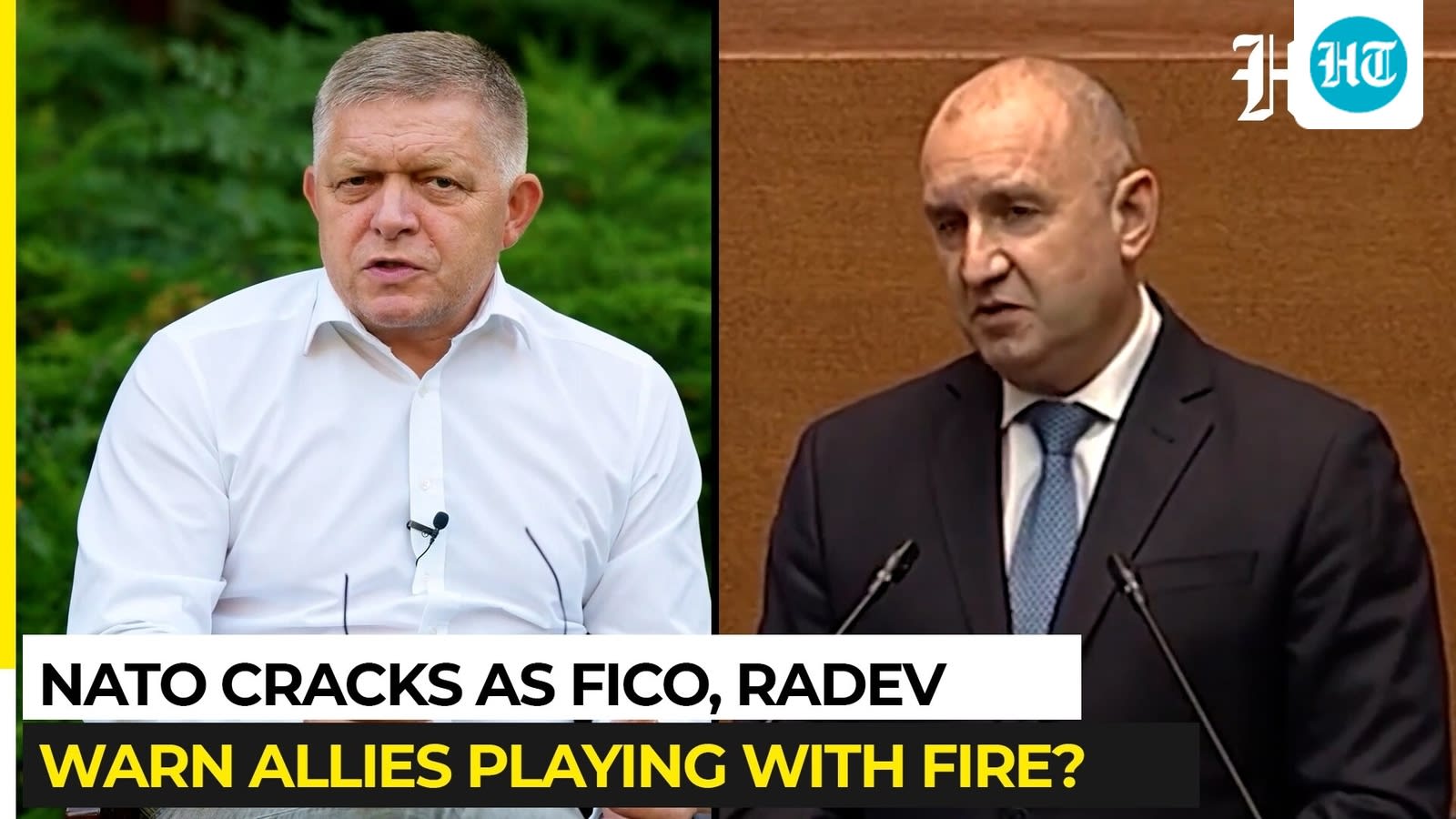
Slovak PM Robert Fico and Bulgarian President Rumen Radev have publicly challenged the Western strategy on Ukraine, advocating for a ceasefire over military support. Their stance highlights growing internal friction within NATO regarding the long-term approach to the Russia-Ukraine conflict.
A Shift in Alliance Dynamics: Fico and Radev Challenge NATO Strategy
Recent discussions between Slovak Prime Minister Robert Fico and Bulgarian President Rumen Radev in Sofia have signaled a significant, albeit controversial, shift in perspective within certain NATO member states. Both leaders have publicly rejected the prevailing Western consensus that military support for Kyiv is the primary path toward resolving the conflict in Ukraine. By asserting that there is no military solution to the ongoing war, Fico and Radev are positioning their respective nations as advocates for an immediate ceasefire and a transition to formal diplomatic negotiations.
The Critique of Western Military Aid
At the heart of the dialogue between Fico and Radev is a fundamental disagreement with the current Western strategy of arming Ukraine. Prime Minister Fico has consistently argued that the continued influx of military aid only serves to prolong the bloodshed without achieving a decisive strategic outcome. This perspective challenges the NATO-wide commitment to providing sustained material support, suggesting that such efforts may be counterproductive to the goal of restoring regional stability and could potentially escalate tensions with Moscow to an uncontrollable degree.
Balancing Geopolitical Realism and Dialogue
Fico’s defense of Slovakia’s continued dialogue with both Moscow and Kyiv represents a departure from the isolationist approach currently favored by many Western capitals. By maintaining open lines of communication with the Kremlin, Fico argues that he is pursuing a pragmatic path that prioritizes the cessation of hostilities over the pursuit of a total military victory. This strategy reflects a desire to minimize the economic and security shocks that the war has inflicted upon Central and Eastern Europe, where the impacts of energy instability and refugee flows are felt most acutely.
Implications for NATO Unity
This vocal skepticism from leaders within the alliance raises critical questions regarding the future of NATO’s collective security architecture. While the alliance has largely maintained a united front, the emergence of a 'peace-first' bloc led by figures like Fico underscores underlying vulnerabilities in maintaining a unified strategic posture. The friction caused by these dissenting voices suggests that the consensus on Ukraine is becoming increasingly difficult to preserve as the conflict reaches a state of prolonged attrition.
Historical Context and Future Trends
Historically, the geopolitical landscape of Central Europe has often been defined by a tension between alignment with Western institutions and the necessity of maintaining practical relationships with Russia. The current stance taken by Fico and Radev echoes long-standing debates about national sovereignty versus alliance obligations. Moving forward, it is likely that political pressure will mount within NATO to reconcile these differing viewpoints. If the war continues to stagnate, the influence of leaders advocating for negotiation may grow, potentially leading to a more fractured approach in how the West manages its policy toward the conflict in the coming years.
Verification Required?