FIFA World Cup 2026 Cost Employers $11.7 Billion In Losses. Here's Why
Source Entity
NDTV News Search Records Found 1000
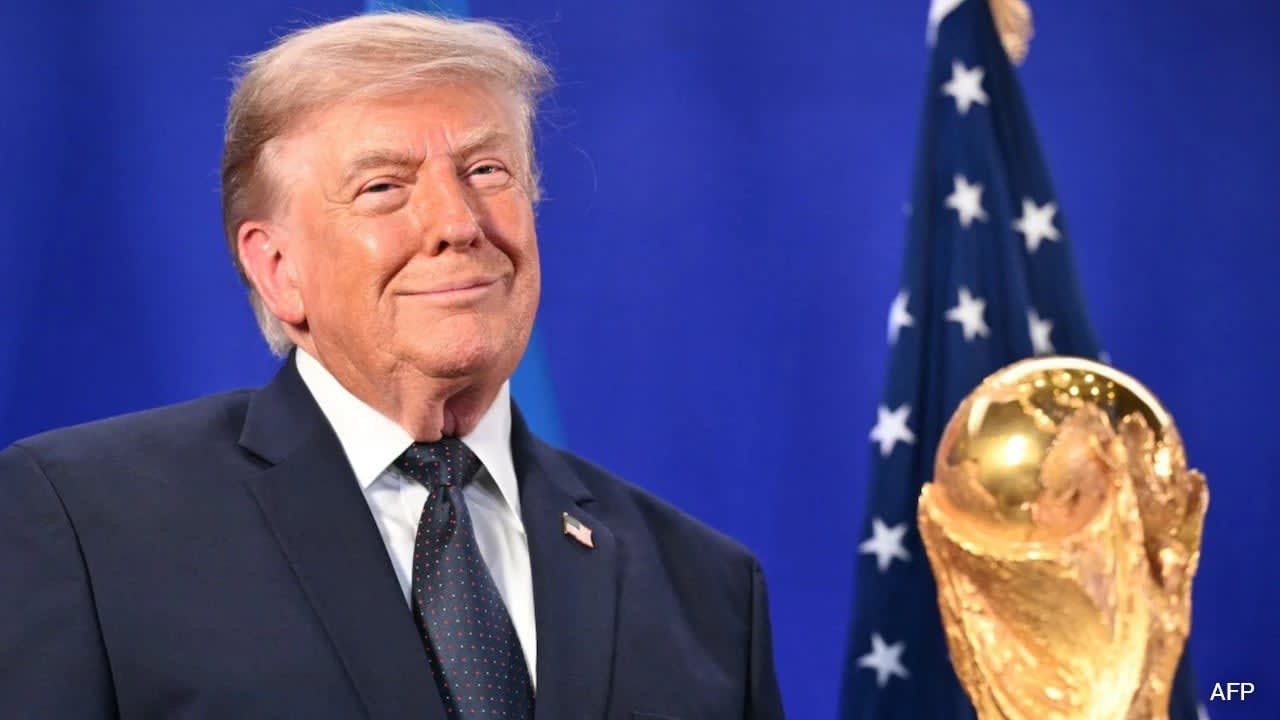
The 2026 FIFA World Cup is projected to cost the U.S. economy $11.7 billion in lost productivity. This significant figure reflects the widespread workplace distractions associated with the global tournament.
The Economic Impact of the 2026 FIFA World Cup
As the United States prepares to co-host the 2026 FIFA World Cup, economic analysts have begun quantifying the potential impact on the national workforce. A recent report indicates that the tournament could cost the U.S. economy as much as $11.7 billion in lost productivity. While the event is expected to bring significant revenue through tourism, hospitality, and broadcasting, the internal cost to employers remains a critical area of concern for human resource departments and business leaders across the country.
Quantifying Lost Productivity
The estimated $11.7 billion figure stems from the reality of a globalized, multi-time-zone sporting event. With matches scheduled throughout the day, employees are likely to divert their attention from core job responsibilities to monitor game results, stream live broadcasts, or engage in social media discourse surrounding the tournament. This 'watercooler effect'—now amplified by digital connectivity—creates a massive cumulative loss in billable hours and operational efficiency.
The Digital Workplace Challenge
In the modern era, the nature of work has shifted toward high-frequency digital engagement, making it easier than ever for employees to remain connected to the World Cup during business hours. Unlike previous decades where office environments were more easily monitored, today’s mobile-first workforce can seamlessly toggle between professional tasks and real-time match updates. This accessibility poses a unique challenge for managers trying to maintain output levels during the month-long tournament.
Historical Context and Broader Implications
Historically, major sporting events like the FIFA World Cup or the NCAA March Madness tournament have consistently been linked to temporary dips in workplace productivity. However, the scale of the 2026 event, coupled with the U.S. host status, creates an unprecedented level of domestic engagement. When a tournament is hosted domestically, the 'home field advantage' in terms of fan interest significantly increases the likelihood of employee disengagement from traditional office duties.
Future Trends in Employee Management
Looking forward, this $11.7 billion projection serves as a warning for businesses to adopt flexible policies rather than rigid restrictions. Organizations that attempt to ban tournament-related activities often face lower morale. Instead, forward-thinking companies are likely to integrate the event into their corporate culture, perhaps through designated viewing spaces or flexible scheduling, to mitigate the impact of lost time while maintaining employee satisfaction.
Concluding Summary
Ultimately, while the 2026 FIFA World Cup will undoubtedly drive significant macro-economic growth through tourism and local spending, the micro-economic impact on productivity cannot be ignored. Employers must prepare for the fiscal reality of a distracted workforce. Balancing the excitement of a once-in-a-generation sporting event with the necessity of maintaining operational output will be the defining management challenge for the U.S. business sector in 2026.
Verification Required?