7 Million Abusive Comments Aimed At Players, Staff Detected During World Cup
Source Entity
NDTV News Search Records Found 1000
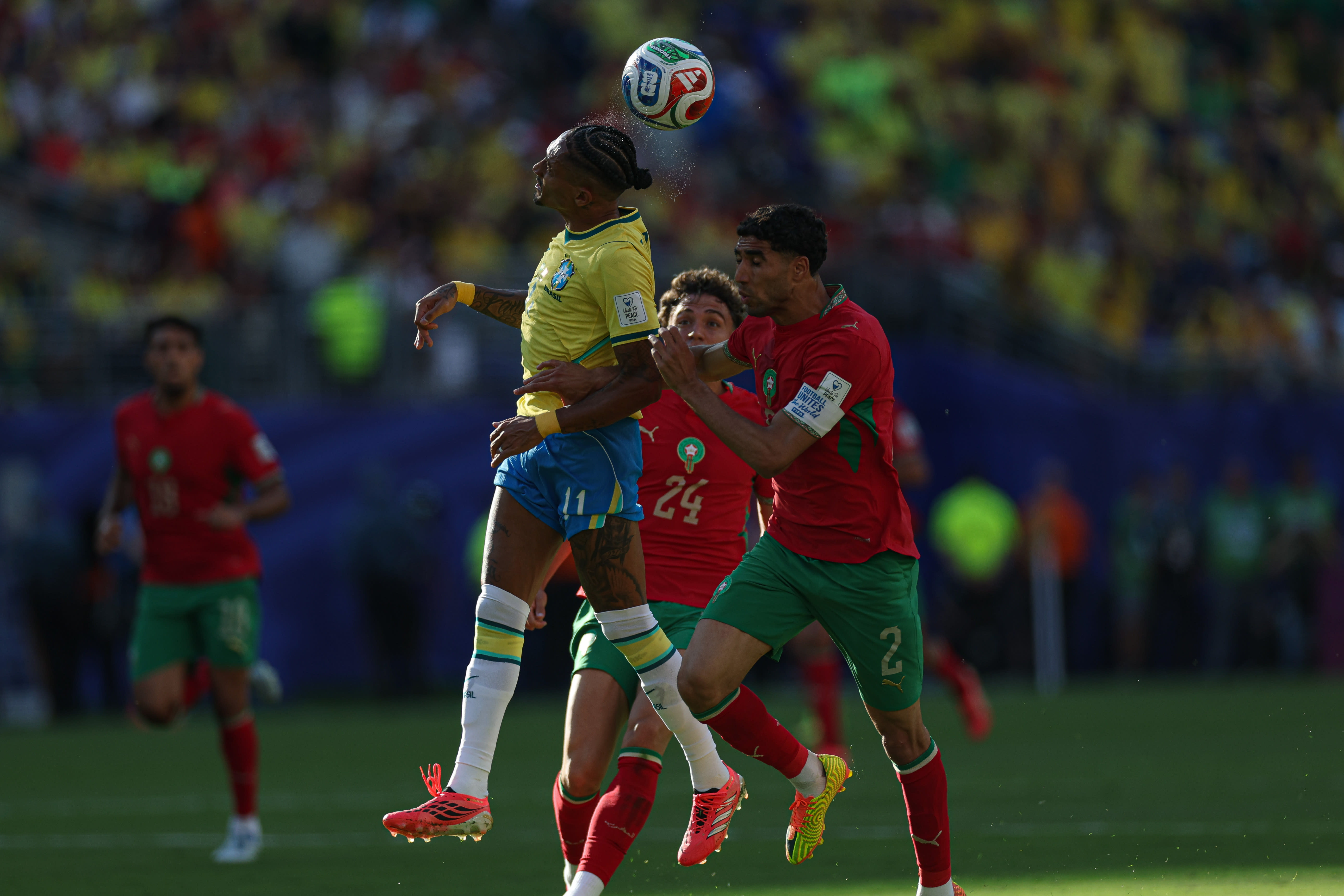
FIFA has reported detecting 7 million abusive comments targeting players and staff during the World Cup. This marks a detection rate 14 times higher than that of the 2022 edition.
The Surge of Digital Toxicity: Analyzing FIFA's Abuse Detection
In a startling revelation regarding the intersection of global sports and digital behavior, FIFA has disclosed that approximately 7 million abusive comments were detected targeting players and staff during the World Cup. This figure underscores a growing crisis of online toxicity that accompanies high-stakes international tournaments. The sheer volume of hate speech and harassment highlights the vulnerability of athletes and support staff to the darker side of social media engagement, where the anonymity of the internet often emboldens users to engage in behavior they would never exhibit in a physical stadium.
Analyzing the Detection Gap
One of the most critical data points provided by FIFA is that the detection rate was 14 times higher than during the 2022 edition. This exponential increase suggests a dual narrative: either there has been a massive surge in the actual volume of abuse, or, more likely, FIFA has significantly upgraded its monitoring capabilities. The leap from the 2022 metrics to the current findings indicates a shift toward more sophisticated AI-driven sentiment analysis and real-time monitoring tools. By implementing more rigorous detection protocols, FIFA is now capturing a vast amount of toxicity that previously went unnoticed or unreported, providing a more accurate—and alarming—picture of the digital environment surrounding the sport.
The Psychological Toll on Athletes and Staff
While the numbers are staggering, the human cost is the primary concern. The 7 million comments are not merely statistics; they represent a barrage of negativity aimed at individuals under extreme professional pressure. For players and staff, the World Cup is the pinnacle of their careers, yet this achievement is increasingly marred by digital harassment. This environment can lead to severe mental health challenges, including anxiety and depression, potentially impacting on-field performance and the overall well-being of the participants. The fact that staff members are also targets indicates that the abuse is not limited to the stars of the game but extends to anyone associated with the tournament's operation.
The Role of Governing Bodies and Technology
FIFA's decision to publicize these figures signals a pivot toward taking a more active role in safeguarding its participants. As the governing body of global football, FIFA is positioned to pressure social media platforms to implement stricter moderation policies. The use of detection technology is the first step in a broader strategy of deterrence. By quantifying the abuse, FIFA can move from anecdotal evidence of toxicity to data-driven advocacy, pushing for systemic changes in how platforms handle hate speech during mega-events. This movement reflects a broader trend in professional sports where organizations are beginning to treat digital safety as a core component of player welfare.
Historical Context and Future Trends
Comparing this to the 2022 edition, it is evident that the digital landscape has become more volatile. In previous years, abuse was often viewed as an inevitable part of fame; however, the scale of 7 million comments suggests a systemic issue that transcends individual rivalry. Looking forward, we can expect to see the integration of more aggressive automated filtering and perhaps even legal repercussions for the most severe offenders. The trend is moving toward a 'zero-tolerance' framework where AI not only detects but actively suppresses abusive content before it reaches the target.
Conclusion: A Call for Digital Accountability
In summary, the detection of 7 million abusive comments reveals a disturbing trend in the global football community. While the 14-fold increase in detection rates demonstrates a positive leap in FIFA's technical oversight, it also exposes the depth of the hostility existing in the digital sphere. For the sport to evolve, the focus must shift from mere detection to active prevention and the cultivation of a more respectful fan culture. The battle against online abuse is no longer optional; it is a necessary requirement for the protection of the people who make the World Cup possible.
Verification Required?