Screen-free, distraction-free: I tested Fitbit Air for a week, and this is what I learned
Source Entity
Anuj Bhatia
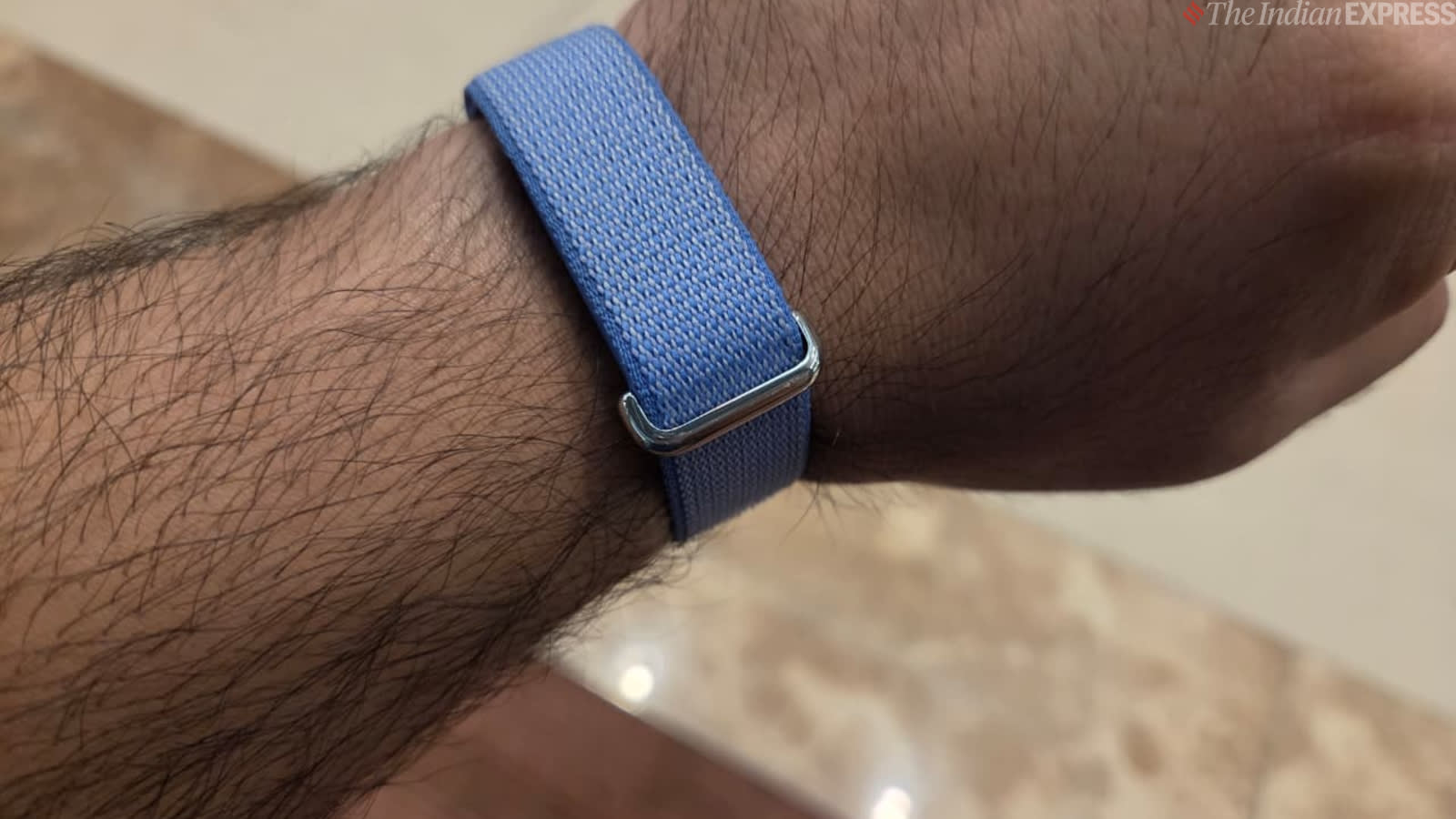
The Fitbit Air offers a screen-free, distraction-free alternative to traditional smartwatches. It is designed for users who want to track fitness metrics without the constant interruption of notifications.
The Shift Toward Mindful Wearables: Analyzing the Fitbit Air
Redefining the Wearable Experience
The recent emergence of the Fitbit Air represents a significant pivot in the wearable technology market. By stripping away the screen and button-heavy interface found on devices like the Pixel Watch 5, Google is catering to a specific demographic of users who are increasingly wary of 'digital saturation.' This device functions as a minimalist tracker, prioritizing core health data collection over the constant connectivity that defines modern smartwatches.
The Case for Digital Minimalism
During a long-haul flight between San Francisco and Delhi, the utility of a screen-free device becomes strikingly apparent. While the Pixel Watch 5 offers unparalleled convenience, it acts as a gateway for interruptions—WhatsApp notifications, emails, and alerts that can disrupt the peace of a traveler. The Fitbit Air serves as a 'passive' companion, allowing users to maintain their health data continuity without the psychological burden of a glowing, buzzing screen.
Addressing the 'Dual-Wear' Phenomenon
The trend of wearing two devices, as seen in the comparison between the Pixel Watch 5 and the Fitbit Air, highlights a burgeoning consumer need for specialized hardware. Users are no longer satisfied with a 'one-size-fits-all' approach. Instead, there is a clear demand for devices that serve specific contexts: a feature-rich watch for the office or city life, and a discreet, distraction-free band for exercise or travel.
Performance in High-Stress Environments
Whether at the gym or in the confined space of an airplane cabin, the Fitbit Air’s design philosophy focuses on comfort and unobtrusiveness. By removing the interface, Google has effectively eliminated the 'need to check' the device. This shift is not just about aesthetics; it is a fundamental change in how we interact with our metrics, moving from active engagement to passive observation.
Implications for Future Wearable Trends
Looking ahead, the success of the Fitbit Air could signal a broader trend in the tech industry toward 'invisible' computing. As consumers become more conscious of their screen time, hardware manufacturers will likely double down on devices that blend into the background. We can expect to see more specialized trackers that prioritize battery life, comfort, and data accuracy, leaving the complex multitasking to the flagship smartwatches.
Conclusion: A Strategic Evolution
In summary, the Fitbit Air is more than just a fitness tracker; it is a strategic response to the modern epidemic of digital distraction. By providing a streamlined, screen-free experience, Google is validating the need for technology that supports our health goals without demanding our constant attention. This evolution marks a maturation of the wearable market, moving away from pure feature-loading toward a more human-centric design approach.