Google helped release 3 million mosquitoes in Australia to reduce their population
Source Entity
TOI TECH DESK
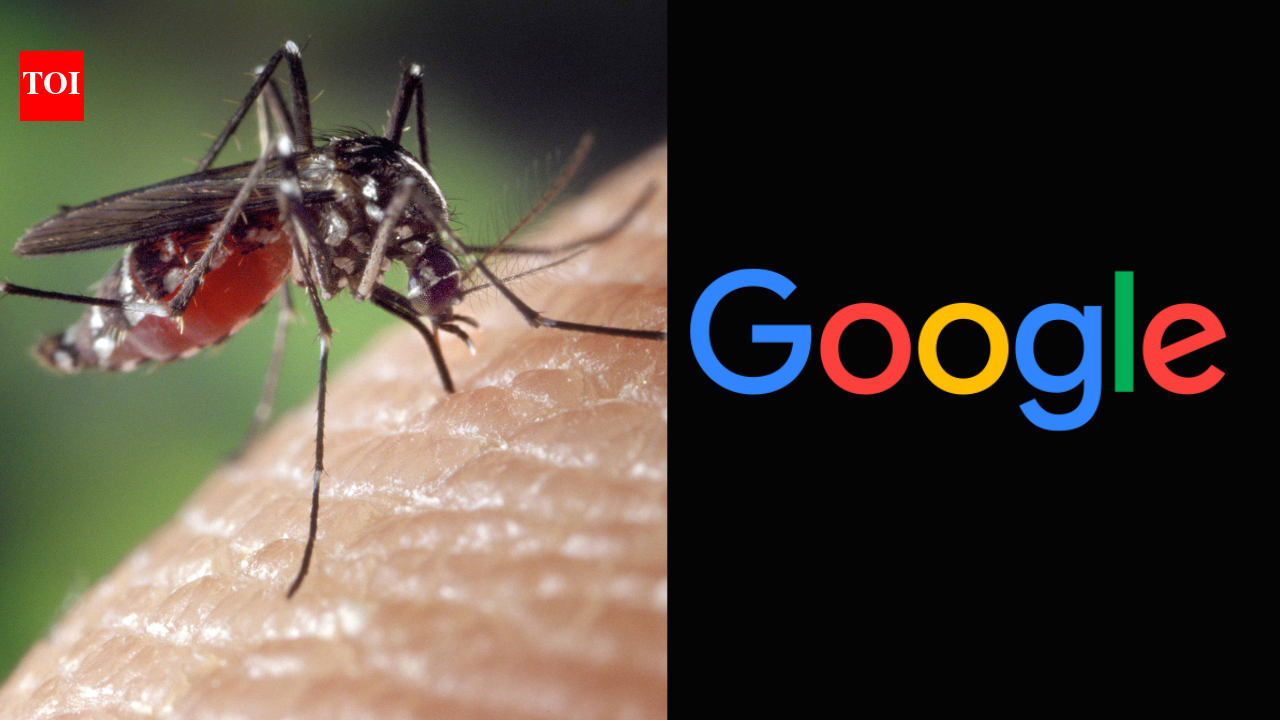
Google's 'Debug' initiative successfully reduced invasive mosquito populations in Australia by 95% using Wolbachia-infected sterile males. The project is now seeking regulatory approval to expand this biological control method to California and Florida.
The Biological Breakthrough: Google's Mosquito Control Initiative
Google’s life sciences division, through its 'Debug' initiative, has pioneered a sophisticated biological approach to pest control that is fundamentally shifting how we manage invasive, disease-carrying insect populations. By releasing three million male mosquitoes infected with the Wolbachia bacteria in Australia, the project achieved a remarkable 95% reduction in the target population. This method leverages the natural reproductive incompatibility created by the bacteria, ensuring that when released males mate with wild females, the resulting eggs fail to hatch, effectively crashing the local population density within a mere four-week window.
The Mechanism: How Wolbachia Incompatibility Works
The efficacy of this project relies on the strategic use of Wolbachia, a naturally occurring bacterium that is common in many insect species but not necessarily in the specific invasive mosquitoes being targeted. When male mosquitoes are introduced to a population and mate with females that do not share the same bacterial profile, the fertilization process is compromised. This form of 'incompatible insect technique' serves as a precision tool, significantly more targeted than traditional chemical pesticides which often result in broad environmental degradation and the development of insecticide resistance.
Ecological Implications and Success Metrics
According to Professor Nigel Beebe of the University of Queensland, the trial provides definitive proof that biological suppression is not only feasible but highly efficient at scale. The 95% reduction metric is particularly significant because it suggests that the threshold for disease transmission—such as Dengue, Zika, or Chikungunya—can be lowered below the level required for an outbreak to sustain itself. This creates a public health buffer without the need for toxic chemicals that might otherwise disrupt local ecosystems.
Scaling the Solution: The US Perspective
Following the success observed in the Australian trials, Alphabet’s Debug initiative is now looking toward the United States, specifically targeting regions in California and Florida. These areas are prone to seasonal outbreaks of mosquito-borne illnesses, and the proposal to release up to 32 million sterilized male mosquitoes represents a massive scaling effort. The shift from a localized trial to a broader deployment indicates a growing confidence in the safety and efficacy of the Wolbachia delivery system.
Regulatory Challenges and Future Outlook
As the project seeks formal approval for its US operations, it faces the complex challenge of navigating state and federal environmental regulations. The transition from a controlled scientific trial to a large-scale public health intervention requires rigorous oversight to ensure that introducing these modified mosquitoes does not trigger unforeseen ecological cascading effects. If the US trials mirror the success of the Australian initiative, this technology could become the gold standard for global mosquito control, potentially saving thousands of lives annually by suppressing the vectors of some of the world's most persistent tropical diseases.