Your Fitbit data can now connect directly to Apple Health
Source Entity
Emma Roth
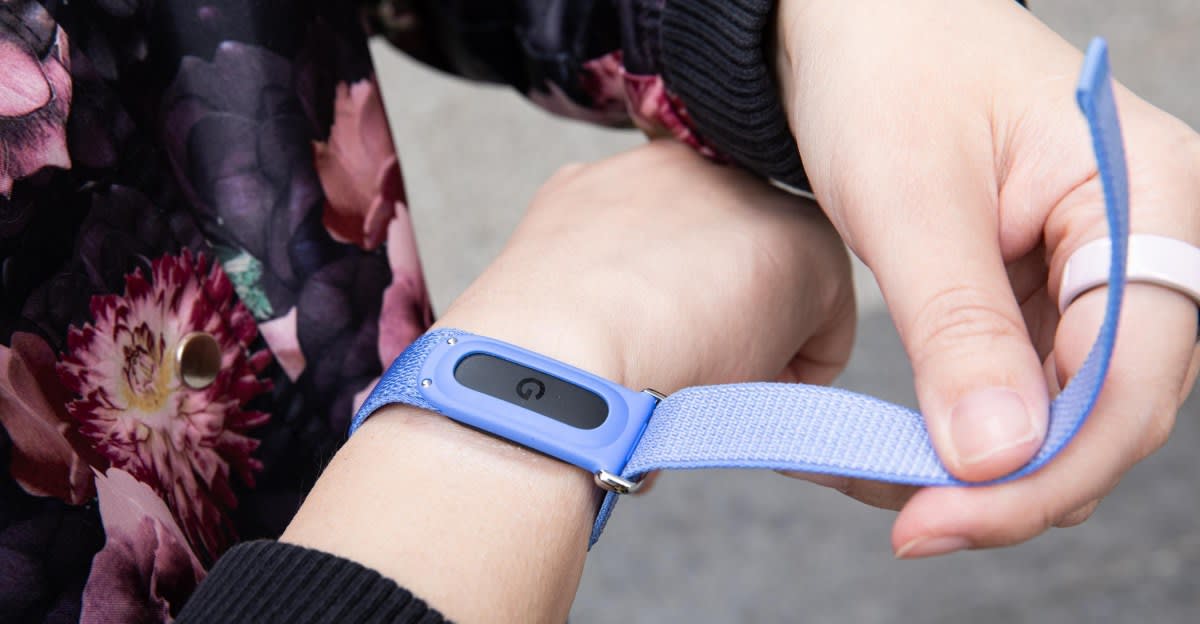
Google's latest Fitbit update now enables direct data synchronization with Apple Health. This integration removes the need for third-party workarounds, allowing users to seamlessly sync workouts, vitals, and step counts between the two platforms.
Bridging the Ecosystem Divide: Fitbit Integrates with Apple Health
For years, users invested in the Fitbit ecosystem have faced significant friction when attempting to centralize their health metrics within Apple’s native Health app. The recent rollout of the Google Health 5.05 update marks a pivotal shift in how these two tech giants interact with user data. By enabling a direct connection, Google is finally allowing Fitbit workouts, step counts, and vital signs to flow seamlessly into Apple Health, effectively ending the era of fragmented health tracking for cross-platform users.
The End of Third-Party Workarounds
Historically, the incompatibility between Fitbit’s proprietary platform and Apple’s HealthKit forced users to rely on cumbersome third-party applications like 'Power Sync for Fitbit' or 'Fitbit to Apple Health Sync.' These intermediate solutions were not only inconvenient but often required recurring subscriptions or posed potential privacy concerns by adding another layer of data processing. With the 5.05 update, users can now bypass these external tools entirely by navigating to the 'Partner apps' section within their profile settings, streamlining the user experience significantly.
Strategic Implications of Interoperability
This move by Google represents a broader trend toward data portability in the consumer technology sector. While Google and Apple are fierce competitors in the wearable hardware market, the reality of modern consumer behavior—where a user might wear a Fitbit tracker but own an iPhone—demands a more cooperative approach. By facilitating this connection, Google is acknowledging that user retention is increasingly tied to the flexibility of the data ecosystem rather than just hardware loyalty.
Improving the User Experience
For the average consumer, this update provides a more cohesive view of their overall health. By consolidating data from a Fitbit device directly into the Apple Health dashboard, users can leverage Apple’s advanced analytics and health record features without losing the historical data tracked by their Fitbit. This creates a unified repository that makes health monitoring more accurate and less labor-intensive.
Future Trends in Health Data
As health-tracking technology continues to evolve, the pressure for universal interoperability will only increase. Regulatory bodies and consumer advocates are consistently pushing for easier data migration between platforms. Google’s decision to open this pathway suggests a future where health data is treated more as a portable personal asset than a platform-locked metric. As we move forward, we can expect further integrations that prioritize user convenience over walled-garden strategies.
Conclusion
The integration of Fitbit data into Apple Health is a welcome development for tech enthusiasts and health-conscious individuals alike. By simplifying the technical hurdles that once hindered data sharing, Google has improved the utility of its wearable ecosystem. This update not only enhances the value of existing Fitbit devices for iPhone users but also signals a positive, user-centric shift in the competitive landscape of digital health.