'Everything is lost': Overnight rain brings J&K's Rajouri to a standstill
Source Entity
TOI NEWS DESK
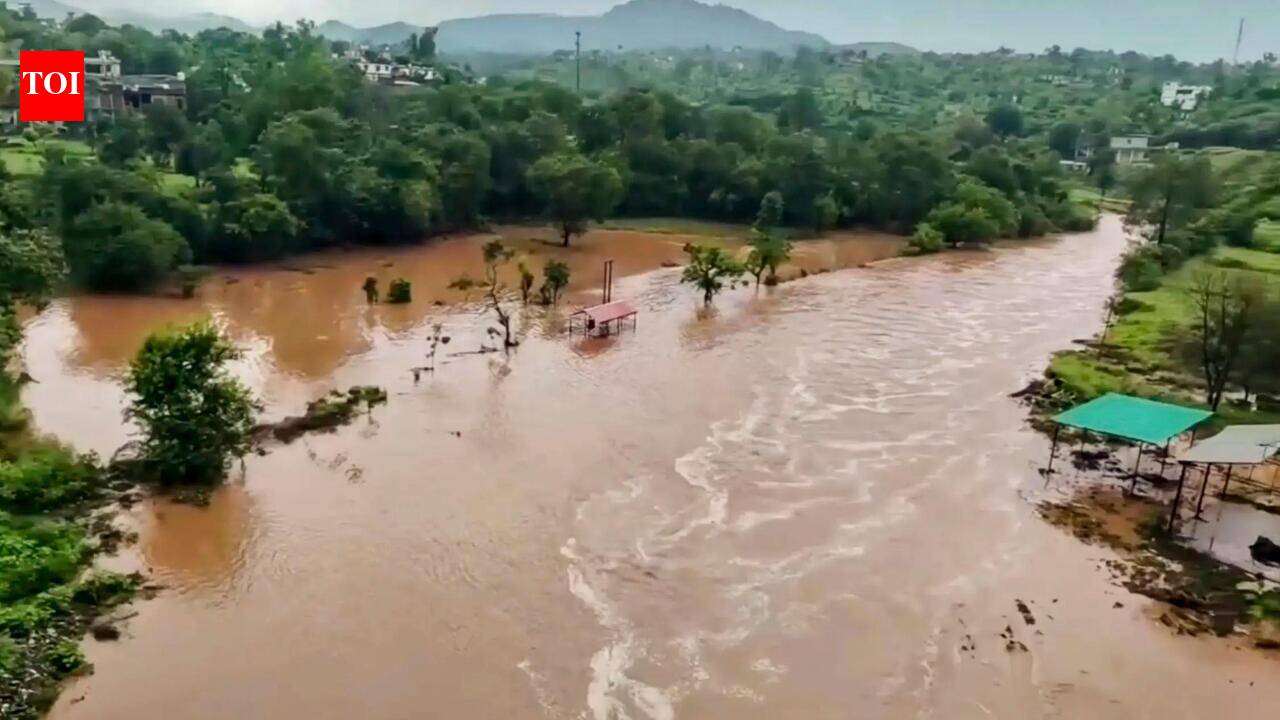
Heavy overnight rainfall triggered severe flash floods in Rajouri, Jammu and Kashmir, on July 19, 2026. Hundreds of residents were evacuated as the Dharhal River overflowed, causing extensive damage to property and vehicles.
Devastating Flash Floods Strike Rajouri: A Comprehensive Analysis
On July 19, 2026, the town of Rajouri in Jammu and Kashmir was struck by sudden and severe flash floods following a period of incessant overnight rainfall that began on Saturday evening. The intensity of the precipitation led to a rapid rise in water levels, causing rivers to breach their banks and inundate low-lying urban areas. The most significant impact was felt in the heart of the town, where the new bus stand and several residential clusters were submerged, forcing hundreds of citizens to flee their homes in a desperate bid for safety.
Immediate Infrastructure and Economic Impact
The flooding caused immediate and widespread disruption to the town's transport and logistics. According to official reports, dozens of vehicles were either completely submerged or swept away by the powerful currents as the Dharhal River overflowed. The inundation of the new bus stand—a critical transit hub—effectively brought the town to a standstill, cutting off primary transportation links. This loss of mobility complicates the immediate relief efforts and highlights the vulnerability of critical public infrastructure to sudden hydrological surges in the region.
Localized Human Crisis and Displacement
The human cost of the disaster is most evident in the settlements near key river crossings. Specifically, more than 50 families residing near the Abdullah Bridge were forced to abandon their homes as floodwaters surged into their dwellings. Similarly, the locality near Tariq Bridge faced severe flooding, prompting urgent distress calls that required immediate police intervention to move residents away from the precarious riverbanks. The emotional toll is captured in the harrowing accounts of residents who lamented that "everything is lost," signaling a total loss of personal belongings and livelihoods.
Emergency Response and Political Assessment
In the wake of the disaster, a multi-agency response was launched involving rescue and relief teams, the local district administration, and the police. These teams have been focused on the dual tasks of evacuating affected families and conducting a comprehensive assessment of the damage. Local political leadership has also weighed in on the severity of the event; Congress MLA Iftkhar Ahmad emphasized that the flash floods have resulted in extensive damage to both public and private property, suggesting that the financial recovery for the town will be a long-term challenge.
Regional Climate Context and Broader Implications
The events in Rajouri do not exist in isolation but are part of a broader regional pattern of extreme weather. The mention of a "red alert" in neighboring Himachal Pradesh suggests a systemic weather system affecting the wider Himalayan belt. Historically, these regions are prone to flash floods due to steep terrain and the rapid runoff of monsoon rains. The current situation underscores the increasing volatility of rainfall patterns in Northern India, where short bursts of intense rain can lead to catastrophic riverine flooding in a matter of hours.
Conclusion and Future Outlook
The Rajouri flash floods serve as a stark reminder of the precarious relationship between urban expansion and riverine ecosystems in Jammu and Kashmir. As the district administration continues to assess the damage and provide relief, there is a clear need for improved early warning systems and more resilient urban planning to prevent low-lying areas from becoming death traps during the monsoon. The immediate priority remains the rehabilitation of the displaced families and the restoration of essential services in the affected localities.
Multiple Citing Sources