Flock used >100 times to track veteran who recorded traffic stop
Source Entity
Hacker News
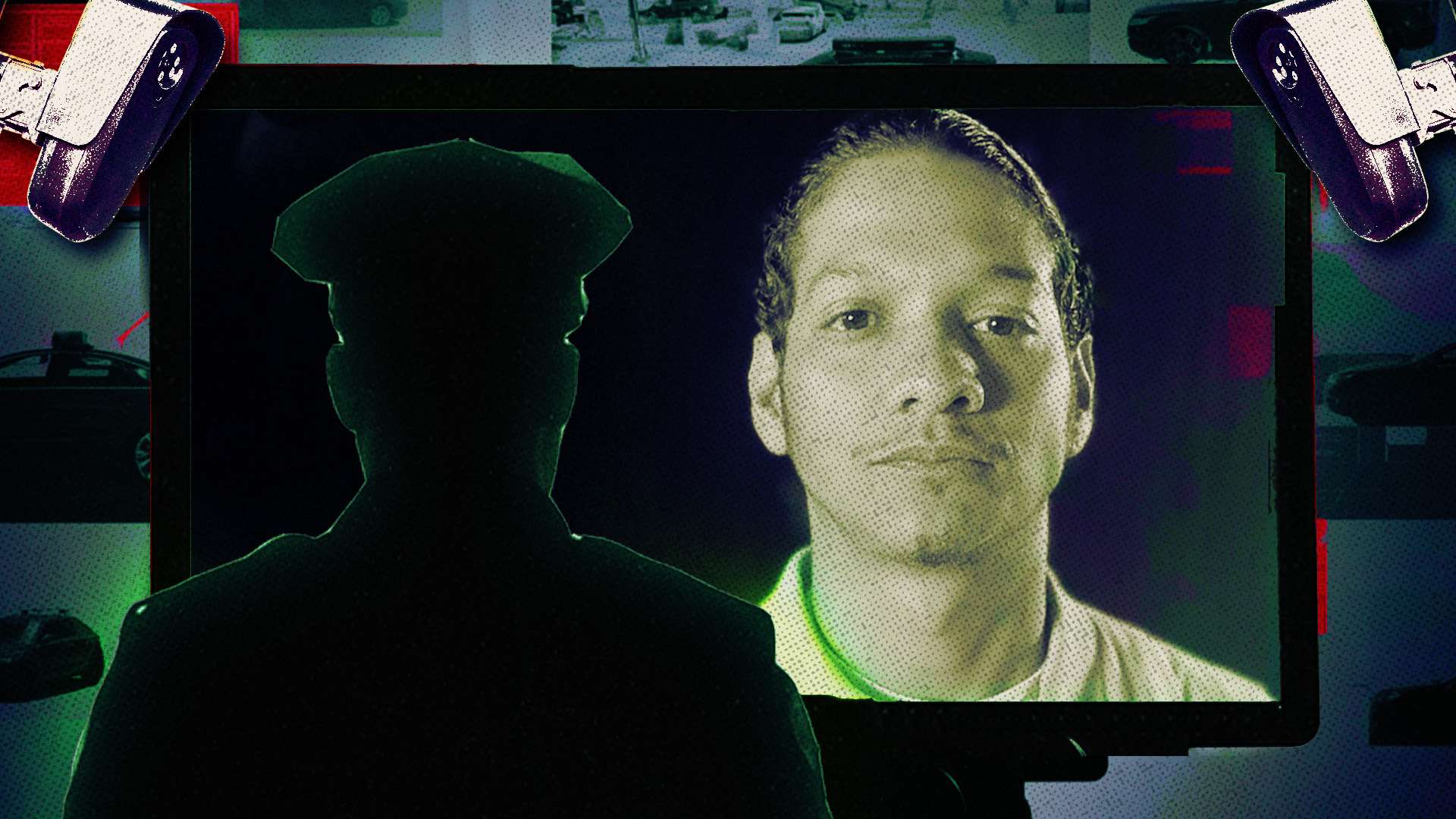
Navy veteran Napoleon Jones was unlawfully arrested by a Waukesha County deputy after recording a traffic stop in Sussex, Wisconsin. Internal investigations revealed that Flock automated license plate readers were used to track Jones' vehicle over 100 times following the incident.
The Erosion of Civil Liberties: Surveillance and Retaliation
On May 4, 2025, in Sussex, Wisconsin, a routine act of civic engagement turned into a case study on the intersection of police overreach and modern surveillance technology. Napoleon Jones, a United States Navy veteran, exercised his constitutionally protected right to film a traffic stop conducted by an out-of-county officer. Jones maintained a safe distance and did not interfere with law enforcement operations, yet his presence was met with hostility rather than the tolerance required by democratic norms regarding public accountability.
The Anatomy of an Unlawful Stop
Despite Jones acting within his legal rights, Waukesha County Sheriff’s deputy Brandon Shayhorn initiated a retaliatory stop shortly after the original traffic encounter concluded. Shayhorn stopped Jones as he attempted to leave the parking lot, effectively using his authority to harass a citizen who had dared to document police conduct. This incident underscores a growing tension between law enforcement's desire for unmonitored operations and the public's right to ensure transparency through recording.
The Weaponization of Automated Surveillance
Perhaps the most alarming aspect of the case is the revelation that Flock Safety automated license plate reader (ALPR) technology was used to track Jones over 100 times following the incident. Flock systems, often marketed as tools for solving violent crimes, were here redirected into a tool for state-sponsored surveillance against a private citizen. This pattern of 'digital stalking' raises profound questions about how law enforcement agencies manage and justify the use of persistent tracking technology against individuals who have not committed crimes.
Historical Context of Police Accountability
Historically, the right to record police has been a cornerstone of civil rights advocacy, upheld by various courts as a necessary check on power. When officers move to suppress this recording—or punish those who engage in it—they undermine the social contract. The use of advanced surveillance to follow up on such an encounter represents a significant escalation, transitioning from physical intimidation to continuous, automated monitoring that can chill protected speech and assembly.
Broader Implications for Privacy and Law Enforcement
This case highlights the 'function creep' associated with high-tech surveillance tools. When automated systems designed for public safety are utilized to monitor individuals for exercising their First Amendment rights, the potential for abuse is immense. The deployment of Flock cameras to track a veteran for over 100 instances suggests a lack of oversight regarding how these data points are queried and the criteria used to justify tracking specific vehicles.
Future Trends and Conclusion
As surveillance infrastructure continues to permeate local municipalities, the need for stringent policy frameworks regarding the use of ALPR data has never been greater. Without clear legal guardrails that prevent the use of such technology for retaliatory purposes, the trust between the community and law enforcement will continue to erode. The case of Napoleon Jones serves as a stark reminder that technology, while efficient, can be easily repurposed to infringe upon the very freedoms it is meant to protect.