US Hunts Iran War Data Leaker With Mass Polygraph Tests Of Top Army Officials
Source Entity
NDTV News Search Records Found 1000
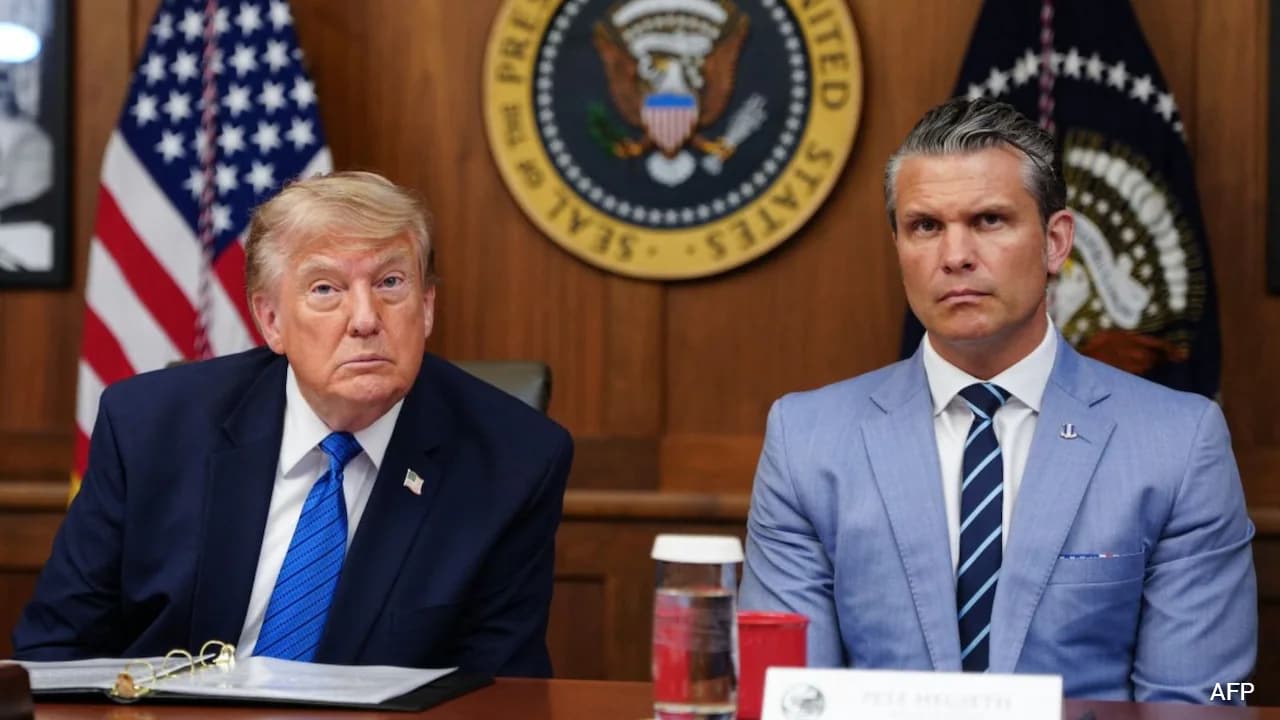
The Pentagon has initiated polygraph tests for approximately 50 senior Joint Staff officials to identify the source of unauthorized leaks regarding U.S. munitions stockpiles. The probe follows reports of critical supply shortages and reflects intense political pressure to protect sensitive military capabilities.
The Pentagon's High-Stakes Hunt for Information Leaks
The U.S. Department of Defense has launched an extraordinary internal investigation, subjecting roughly 50 senior Joint Staff officials to mandatory polygraph examinations. This aggressive move follows a series of public disclosures concerning the status of American munitions stockpiles during the ongoing conflict with Iran. The investigation represents a significant escalation in the government's efforts to secure classified information, particularly regarding the readiness of advanced weapons systems.
The Catalyst: Munitions and Public Disclosures
At the heart of this investigation are reports detailing the dwindling supplies of critical military assets, including long-range missiles and Patriot interceptors. These munitions are vital to U.S. strategic posture, and their public exposure has caused significant concern within the Pentagon. By leaking information about diminished stockpiles, the source potentially compromised tactical advantages and signaled vulnerabilities to foreign intelligence services, prompting an immediate and severe counter-intelligence response.
Institutional Pressure and Political Scrutiny
This rare use of mass polygraph testing is occurring under a backdrop of intense political pressure. Reports indicate that the administration, including President Trump, has demanded accountability for these security breaches. Forcing high-ranking generals and civilian officials to undergo 'the box' underscores the severity with which the current leadership views these leaks. It highlights a tension between the need for military transparency and the absolute necessity of operational security during active hostilities.
Implications of Foreign Intelligence Risks
Beyond the domestic political fallout, the primary concern driving these tests is the risk that classified data has reached adversarial hands. When information regarding specific weapon shortages is made public, it provides foreign intelligence services with a roadmap of U.S. military limitations. This could embolden adversaries to exploit perceived weaknesses, potentially altering the strategic landscape of the Iran war and threatening the safety of deployed service members.
The Erosion of Internal Trust
The decision to subject 50 senior staff members to polygraphs is a measure of last resort that carries significant cultural implications for the Pentagon. Such actions often signal a breakdown in internal trust and a move toward a more restrictive, surveillance-heavy internal environment. While intended to plug security holes, the reliance on polygraph testing highlights the extreme measures deemed necessary to maintain silence in an era where leaks are increasingly weaponized for political or narrative gain.
Future Trends in Information Security
Looking ahead, this event marks a turning point in how the Pentagon manages classified information. We can expect to see stricter protocols regarding document handling, more frequent security audits, and potentially a move toward more advanced digital monitoring to track the movement of sensitive information. The precedent set by this mass testing phase suggests that the tolerance for unauthorized disclosures has reached a historic low, ensuring that future leaks will be met with similarly swift and intrusive investigative measures.
Verification Required?