Trump turns up the heat on Warsh as Fed rate hike looms
Source Entity
US Top News and Analysis
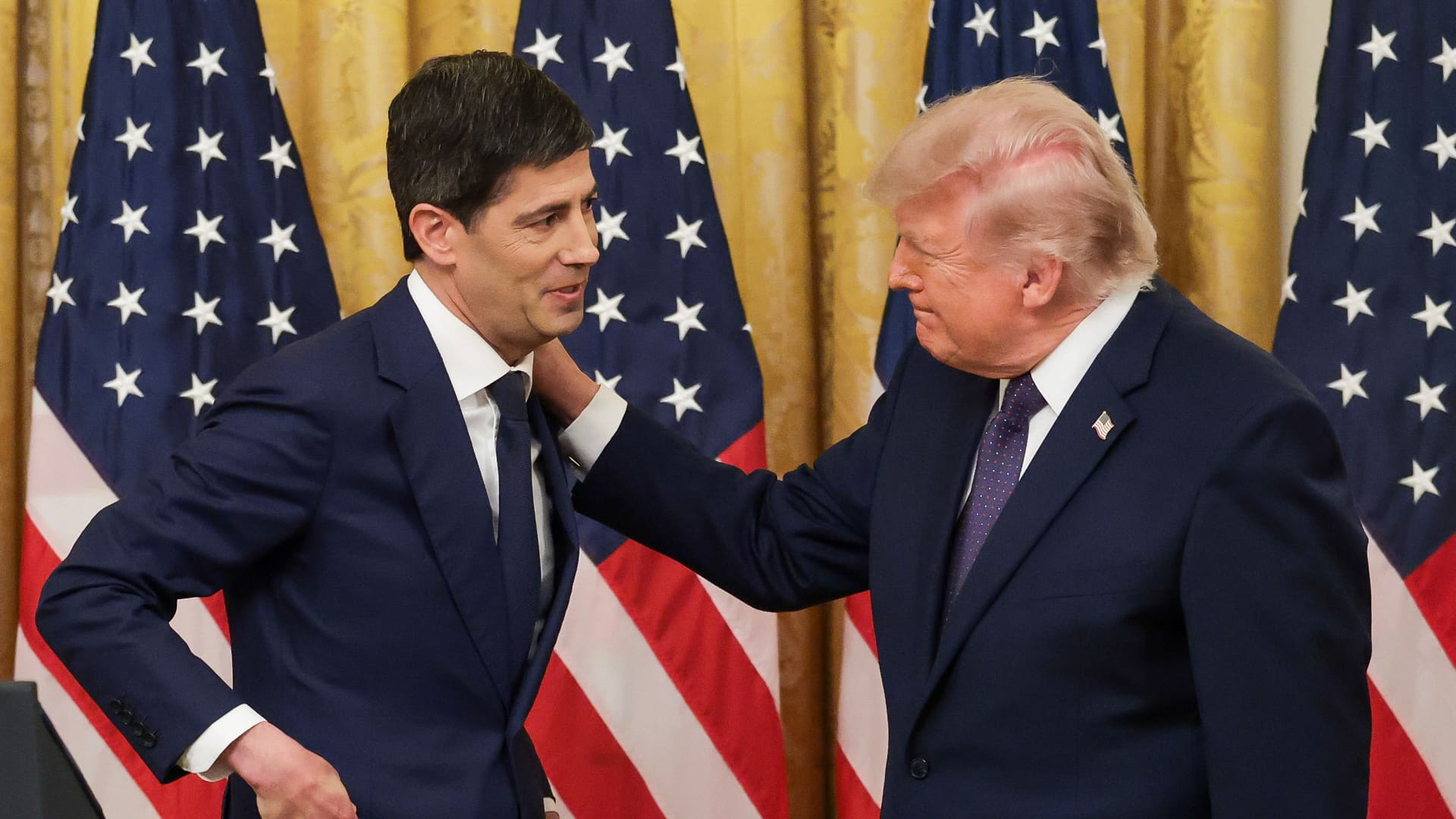
The Trump administration is aggressively pressuring Federal Reserve Chairman Kevin Warsh to halt a planned interest rate hike. Administration officials argue that rate increases are inappropriate during supply shocks, signaling a major conflict over central bank independence.
The White House vs. The Federal Reserve: A Standoff Over Monetary Policy
The Trump administration has launched an unprecedented public campaign to influence the Federal Reserve’s upcoming interest rate decision. With a policy meeting scheduled just ten days away, the White House is openly signaling its opposition to any potential rate hike, marking a significant escalation in the tension between executive leadership and the nation's central bank.
The Strategic Pivot: Supply Shocks and Inflation
Treasury Secretary Scott Bessent has provided the administration’s primary economic justification for this intervention. In a recent CNBC interview, Bessent argued that the Federal Reserve should refrain from raising rates during periods of supply-side instability. By emphasizing that rate hikes should only be considered after second- or third-order inflationary effects materialize, the Treasury is attempting to redefine the criteria for monetary tightening to favor growth-oriented policies.
Rhetorical Pressure and Political Friction
Vice President JD Vance has amplified this stance, explicitly calling for the Federal Reserve to lower interest rates. His rhetoric has been notably combative, referring to members of the Federal Open Market Committee (FOMC) as "clowns" while simultaneously positioning Chairman Kevin Warsh as an ally attempting to "do the right thing." This dichotomy suggests the administration is attempting to drive a wedge between the Chairman and the broader committee to steer policy in a more accommodative direction.
The Independence Debate
Historically, the Federal Reserve is designed to operate with a degree of independence from political pressure to ensure long-term economic stability. The current administration’s "full-court press" challenges this norm, suggesting a move toward a model where executive priorities take precedence over traditional monetary policy frameworks. This approach reflects a broader trend of challenging institutional norms to achieve immediate economic objectives.
Implications for Economic Policy
If the administration succeeds in pressuring the Fed, it could lead to a significant shift in how interest rates are managed during periods of volatility. However, public interference of this nature often carries risks, including potential market uncertainty and questions regarding the credibility of the Fed's decision-making process. The upcoming meeting will serve as a critical test of whether the FOMC maintains its autonomy in the face of such intense political scrutiny.
Conclusion
The standoff between the Trump administration and Chairman Kevin Warsh highlights a growing divide regarding the role of the Federal Reserve in the modern economy. As the administration continues to prioritize lower interest rates to stimulate growth, the coming days will be pivotal in determining whether the central bank will yield to political pressure or adhere to its traditional mandate of controlling inflation independently.