Omani flydubai co-pilot planned to crash plane into Israeli airport, claims UAE
Source Entity
SUBHADRA SRIVASTAVA
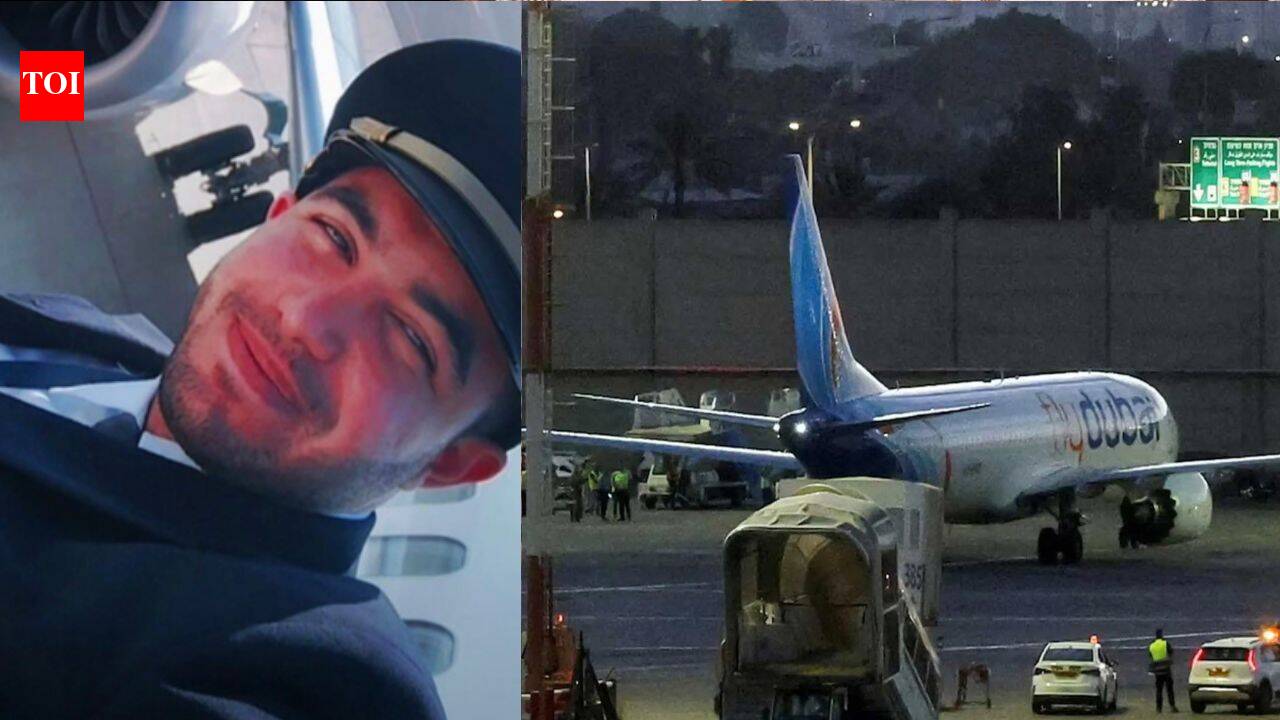
UAE investigators have revealed that an Omani Flydubai co-pilot plotted to crash a plane into Israel's Ben Gurion Airport in a 9/11-inspired suicide attack. The plot was thwarted by the flight's captain, and officials trace the perpetrator's radicalization back to his time as a student in Australia.
Investigation into the Thwarted Flydubai Terror Plot
Recent disclosures from the United Arab Emirates’ Attorney General, Hamad Saif Al Shamsi, have shed light on a chilling incident involving Flydubai flight FZ1073. Emirati investigators have formally characterized the events of September 30 as a planned terrorist operation. The 29-year-old Omani co-pilot allegedly intended to seize control of the aircraft during its journey from the United Arab Emirates to Tel Aviv, with the ultimate objective of crashing the plane into a terminal at Israel’s Ben Gurion International Airport in a suicide mission modeled after the September 11, 2001 attacks.
The Role of Captain Smit Machchhar
The catastrophic potential of this plot was averted primarily due to the decisive actions of the aircraft's captain, Smit Machchhar. According to official reports, the captain successfully prevented the co-pilot from seizing control of the cockpit. This intervention was critical, as the flight was diverted to Saudi Arabia following an emergency signal. The bravery of the captain in this high-pressure environment stands as the defining factor that prevented a major loss of life and a significant geopolitical incident.
Roots of Radicalization in Australia
A central component of the Emirati investigation is the timeline of the perpetrator’s ideological shift. Attorney General Al Shamsi stated that the co-pilot’s 'drift towards extremism and terrorism' began as early as 2017 while he was a student in Australia. During this formative period, the individual was reportedly exposed to takfiri ideology, consuming extremist literature and engaging with online content that glorified terrorist organizations and suicide operations.
Psychological and Physical Preparation
The investigation further revealed that the plot was not a spontaneous act but one that required specific preparation. The co-pilot reportedly admitted to investigators that he had prepared himself both psychologically and physically for the mission. This preparation included an intensified consumption of propaganda material promoting terrorism, as well as physical training, specifically boxing, to ensure he was capable of executing his plan.
Broader Implications and Security Concerns
This incident raises profound questions regarding the vetting and monitoring of individuals in sensitive aviation roles. The fact that an individual could be radicalized over several years while studying abroad highlights the difficulty security agencies face in identifying 'lone wolf' threats who may not be part of an active, known cell. The case underscores the persistent threat posed by ideologies that seek to weaponize commercial aviation, a tactic that remains a top concern for global aviation security nearly a quarter-century after the 9/11 attacks.
Conclusion and Future Outlook
The UAE's transparent handling of this investigation—including the disclosure of the co-pilot’s radicalization history—signals an intent to address these security gaps proactively. As authorities continue to analyze the perpetrator's digital footprint and international movements, the incident serves as a stark reminder of the necessity for rigorous, continuous screening of aviation personnel. The focus will likely shift toward international cooperation to better track the dissemination of extremist content and the movement of individuals who show signs of ideological radicalization during their educational or professional tenures abroad.
Multiple Citing Sources