Gandhi’s evolution, and making of the Mahatma
Source Entity
Latest News: Todays Latest News Headlines from India & World | Hindustan Times | Hindustan Times
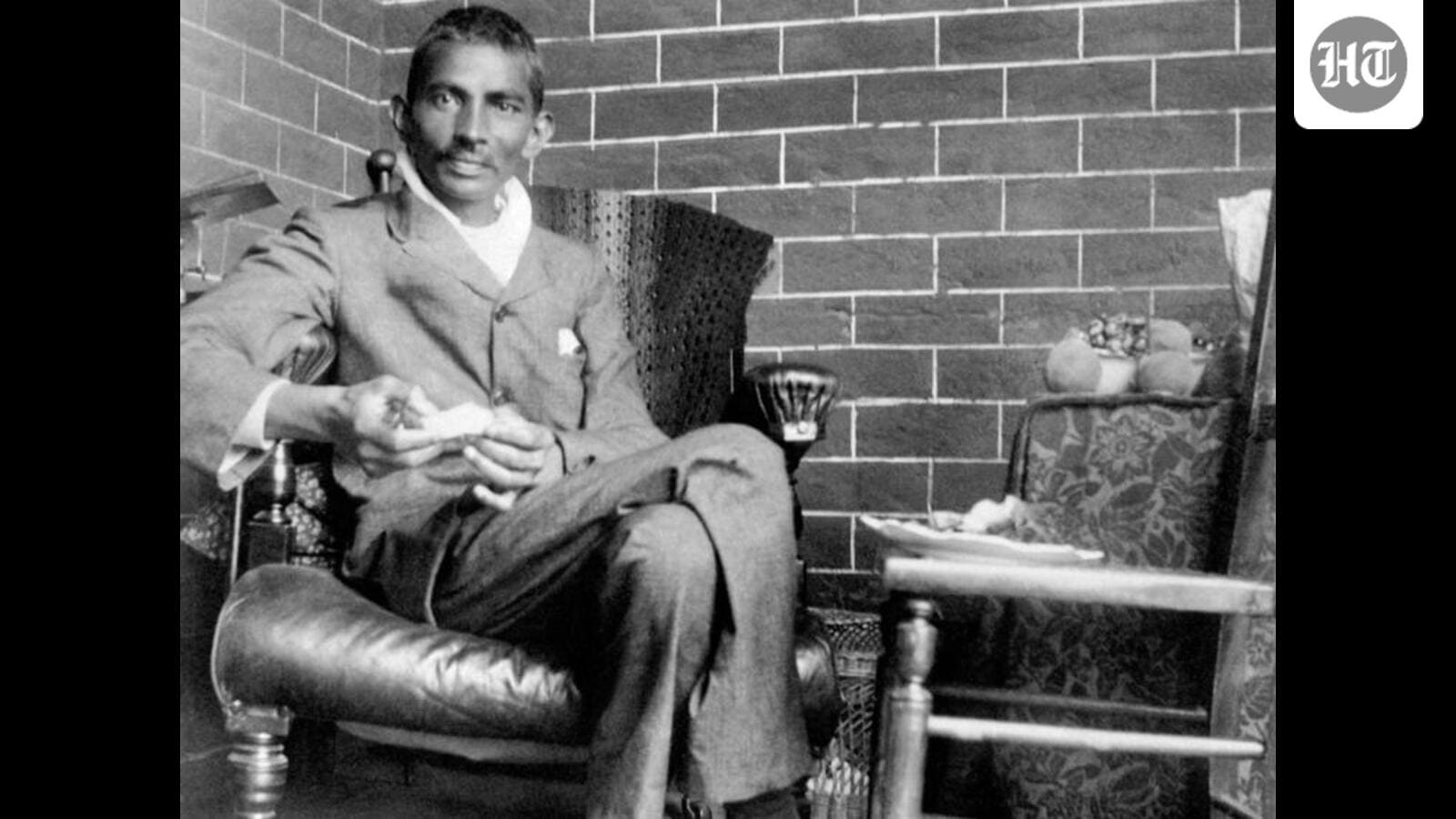
Historical analysis of Mahatma Gandhi reveals complex, evolving views on race during his early years in South Africa. Scholars are revisiting his initial prejudices to better understand the broader trajectory of his life and philosophy.
The Evolution of a Mahatma: Re-examining Gandhi's Early Years
Confronting the Early Narrative
The legacy of Mahatma Gandhi is often presented as a monolithic narrative of non-violence and moral clarity. However, recent historical discourse, prompted by reflections on his early life, suggests that his path to becoming the 'Mahatma' was neither linear nor free of significant personal contradictions. By looking past the immediate celebrations of Gandhi Jayanti, scholars are now opening a more nuanced dialogue regarding the unresolved questions of his formative years in South Africa during the 1890s and 1900s.
The South African Context
During his time in South Africa, the young Gandhi was not yet the global icon of anti-colonial resistance he would later become. Historical records indicate that he was, at that stage, arguably an "unthinking racist." Biographer Ramachandra Guha has explicitly noted that during his initial years in the region, Gandhi held strong prejudices against Africans and frequently employed pejorative language to describe them. This period serves as a critical, albeit uncomfortable, foundation for understanding the evolution of his political conscience.
The Struggle of Biographers
For decades, historians and biographers have wrestled with these early exclusionary views. The central challenge lies in reconciling the young, prejudiced lawyer in South Africa with the later, transformative leader who championed human dignity. These unresolved questions are not merely academic; they are essential for a complete understanding of how an individual’s worldview can shift fundamentally through experience, reflection, and political engagement.
Addressing Historical Complexity
The transition from his early prejudices to his later universalist philosophy remains a subject of intense scrutiny. It is important to acknowledge that the Gandhi of the 1890s was a product of his environment and his specific social standing at the time. By addressing these inconsistencies, we do not diminish his eventual contributions to civil rights; rather, we provide a more authentic and humanized view of his growth as a political thinker.
Implications for Future Discourse
As we continue to analyze the life of Gandhi, the focus must remain on the process of his intellectual and moral evolution. Future historical research will likely continue to explore how he navigated these early biases, providing a roadmap for how societies can reconcile with the imperfect pasts of their historical figures. Ultimately, recognizing this evolution is vital for a comprehensive grasp of his legacy in a modern, globalized world.
Verification Required?