'Lone Wolf, Islamic Radical': Mossad Unit's Ex-Chief On flydubai Co-Pilot
Source Entity
NDTV News Search Records Found 1000
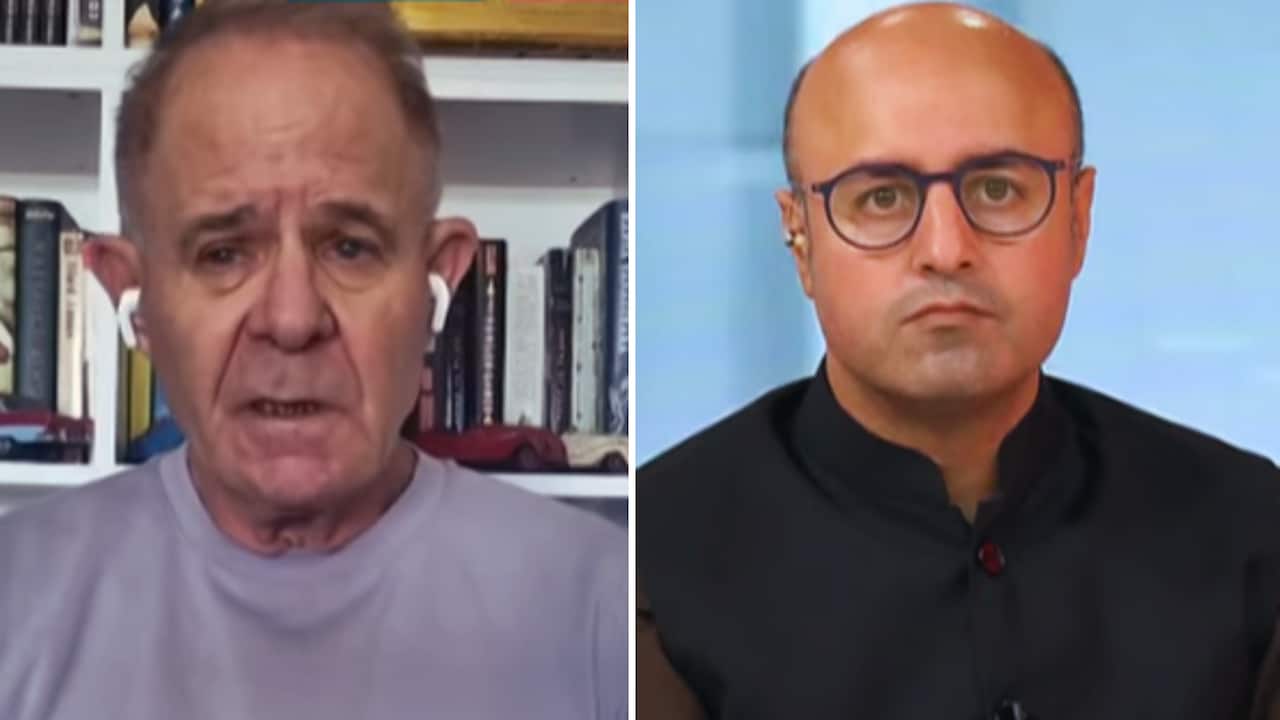
Israeli officials are addressing security concerns regarding flydubai following a reported incident involving a co-pilot. Discussions between Minister Nir Barkat and former Mossad official Rami Igra highlight the ongoing scrutiny of aviation safety protocols.
Security Scrutiny Following flydubai Incident
Recent developments concerning the airline flydubai have drawn significant attention from Israeli officials, prompting a high-level dialogue regarding aviation safety and regional security. The situation, which has been widely reported, involves statements from Israeli Minister for Economy and Industry Nir Barkat and former Mossad intelligence chief Rami Igra, both of whom have engaged with NDTV to discuss the implications of an incident involving a flight crew member.
Official Stance and Safety Protocols
Israeli Minister for Economy and Industry Nir Barkat addressed the incident in an interview with NDTV’s Aditya Raj Kaul. His commentary reflects the broader Israeli government's commitment to ensuring the safety of its citizens traveling abroad. By emphasizing the importance of vigilance and the need for passengers to remain aware of their environment, the Minister underscored that national security interests frequently intersect with international travel logistics, particularly when potential threats to Israeli citizens are identified.
Intelligence Perspectives on Potential Threats
Rami Igra, a former head of a Mossad unit, provided a more granular perspective on the nature of the threat. In his conversation with NDTV’s Foreign Affairs Editor Aditya Raj Kaul, Igra categorized the individual involved as a "lone wolf" influenced by "Islamic radical" ideologies. This classification is significant as it shifts the focus from organized, state-sponsored terrorism to the more unpredictable challenge of individual radicalization within the aviation sector.
Implications for Regional Aviation Security
The involvement of a flight crew member in such an incident raises complex questions about vetting processes and the security standards of regional carriers. For airlines like flydubai, maintaining trust is paramount to their operational success. The public discussion initiated by Israeli officials suggests that there is a demand for increased transparency and more rigorous background checks to prevent radicalized individuals from occupying positions of authority within the cockpit.
Historical Context and Future Trends
Historically, aviation has been a primary target for extremist groups seeking to cause mass disruption. The shift toward identifying "lone wolf" actors highlights a change in security strategy, where intelligence agencies must now monitor not just organized cells, but also the ideological leanings of individuals in sensitive roles. Moving forward, it is likely that international aviation authorities will face increased pressure to harmonize security protocols to mitigate these specific types of risks.
Conclusion
In summary, the discourse between Israeli officials and media outlets underscores a critical juncture in aviation security policy. As the investigation into the flydubai co-pilot continues, the focus remains on balancing the operational needs of global airlines with the necessity of protecting passengers from threats posed by radicalized individuals. This event will likely serve as a case study for future security enhancements in commercial aviation.
Verification Required?