Food Body Issues Notice To Radisson Blu Delhi Operator Over Hygiene Lapses
Source Entity
NDTV News Search Records Found 1000
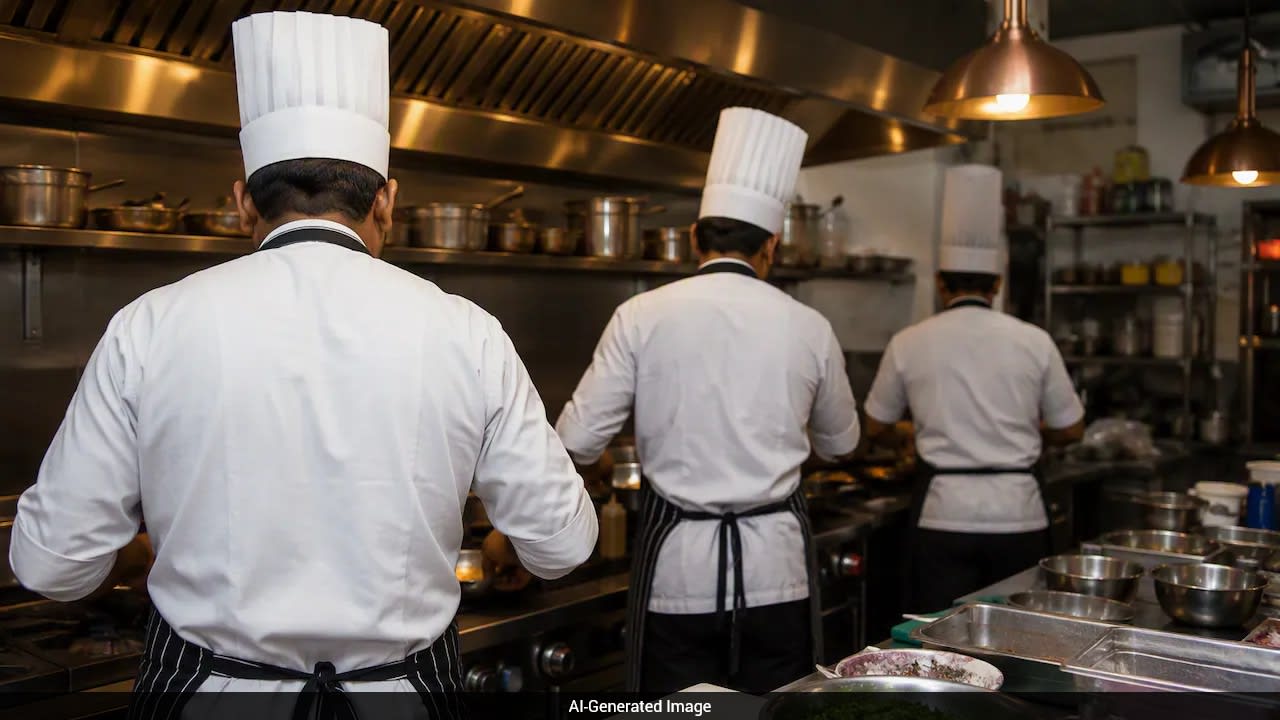
The food safety regulator has issued a formal notice to the operator of Radisson Blu Delhi due to identified hygiene and sanitation failures. This regulatory action highlights ongoing efforts to enforce strict health standards within the luxury hospitality sector.
Regulatory Action Against Radisson Blu Delhi
The recent issuance of a formal notice by the food safety regulator to the operator of Radisson Blu Delhi marks a significant intervention in the hospitality industry's compliance landscape. By flagging specific concerns regarding inadequate cleaning and sanitization, the regulator has brought the operational standards of premium establishments under closer scrutiny. This move serves as a reminder that even high-end, internationally recognized brands are not exempt from the rigorous health and safety protocols required to protect public health.
The Importance of Hygiene Compliance
Hygiene and sanitation are the cornerstones of the food and beverage industry. When a luxury property like Radisson Blu faces such notices, it underscores the critical nature of maintaining consistent operational oversight. Inadequate sanitation practices do not merely represent a procedural lapse; they pose tangible risks of foodborne illnesses, which can severely damage a brand’s reputation and lead to legal repercussions. The regulator’s decision to intervene suggests that these lapses were significant enough to warrant formal documentation and corrective action.
Implications for the Hospitality Sector
This development is likely to have a ripple effect across the luxury hotel segment in Delhi and beyond. Other operators will likely face increased pressure to conduct internal audits and reinforce their cleaning protocols to avoid similar regulatory scrutiny. As consumer awareness regarding food safety grows, the market is becoming less tolerant of substandard hygiene, making compliance a key differentiator in brand trust. Luxury hotels are expected to set the gold standard, and failing to meet these benchmarks can lead to a loss of patronage and long-term financial impact.
Historical Context and Regulatory Trends
Historically, the food regulatory body in India has moved toward a more proactive enforcement model. Rather than waiting for isolated incidents of illness, inspectors are increasingly focusing on preventive compliance, such as systematic cleaning schedules and staff training. This shift reflects a broader national trend aimed at professionalizing the food service industry and aligning local standards with global benchmarks. The notice issued to the Radisson Blu operator is a manifestation of this heightened regulatory environment.
Future Outlook and Industry Standards
Looking ahead, it is probable that we will see more stringent monitoring of hotel kitchens and storage facilities. The industry will need to invest in better technology for tracking hygiene metrics and ensuring that staff are adequately trained in modern sanitation techniques. For Radisson Blu, the path forward involves immediate rectification of the noted lapses and a transparent commitment to maintaining the highest levels of cleanliness. As the sector matures, the ability to maintain consistent hygiene standards will remain a vital indicator of a hotel's overall operational health and commitment to customer safety.
Verification Required?